Victoria
A reliable, heavy-cropping dessert plum with large red-purple fruit and yellow flesh.
Prunus domestica
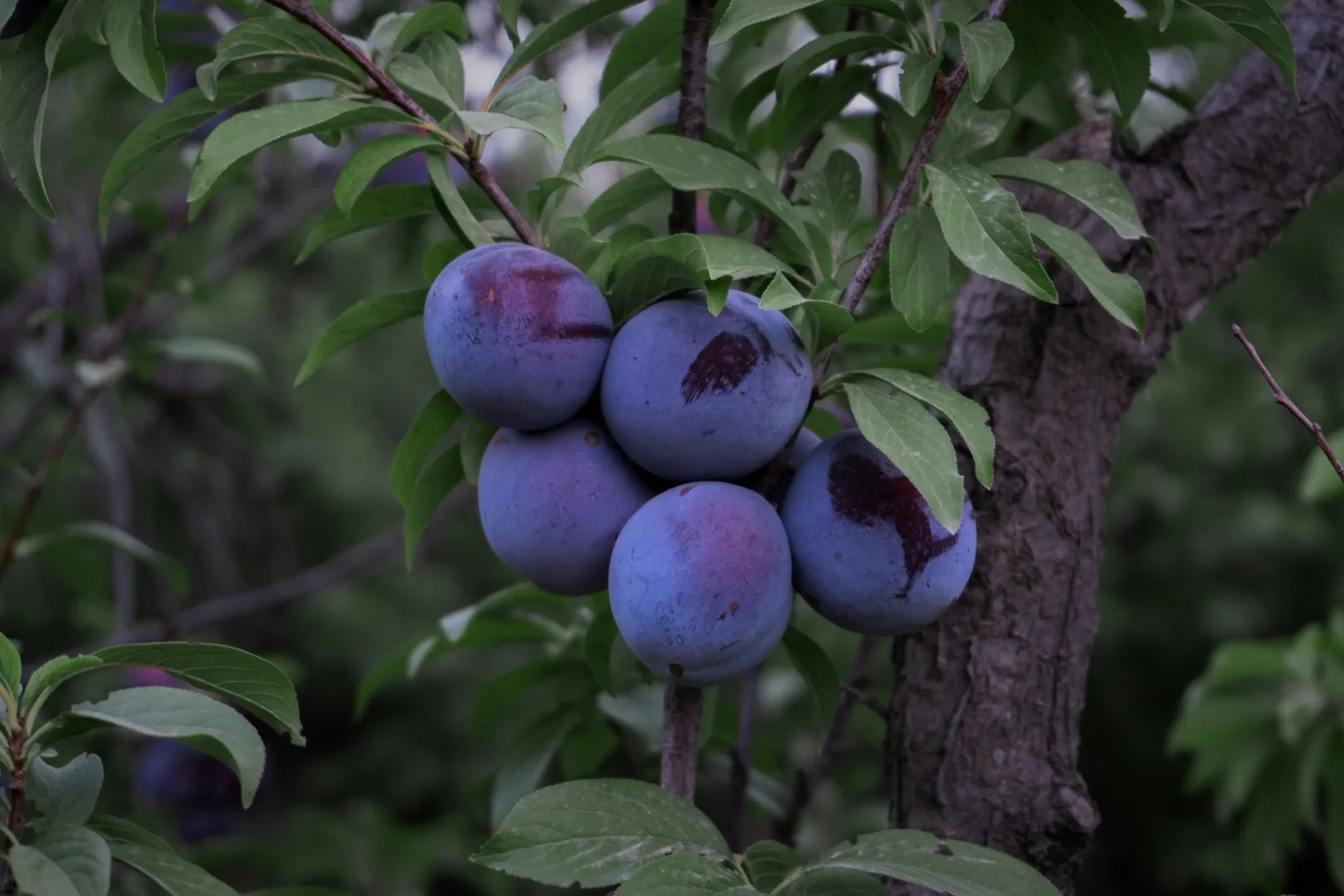
Grow plum trees in a sunny, sheltered spot with free-draining soil. Plant bare-root trees while dormant. Water well for the first two years. Prune only in summer, in dry weather, because of silver leaf.
400 cm · Full Sun · Moderate Water
Calibrated to Bath · average last frost around 24 Apr
| Activity | January | February | March | April | May | June | July | August | September | October | November | December |
|---|---|---|---|---|---|---|---|---|---|---|---|---|
| Plant out | Yes | Yes | No | No | No | No | No | No | No | No | Yes | Yes |
| Harvest | No | No | No | No | No | No | Yes | Yes | Yes | Yes | No | No |
What to do through the growing season
01
Plant a bare-root tree around 22nd November - 15th February 2027. Only plant if the ground is open, not frozen or wet. Set the graft union above the soil. Stake it. Keep a weed-free circle around the trunk. Water in well. Do not prune at planting.
02
From 9th May 2027 to 6th October 2027, water well for the first two years, then in dry spells while the fruit swells. Do this each year.
03
Around 23rd February - 25th March 2027, mulch with compost or well-rotted manure. Leave a gap around the trunk. Do this once a year. Feed only if growth is weak.
04
After the natural drop, from 8th June - 23rd June 2027, thin congested fruitlets. Leave one fruit every , or a pair every . Take off damaged fruit first.
05
Prune from 23rd June 2027 to 23rd July 2027 in dry weather only. Summer only. Never in winter. Never in autumn. Remove damaged, crossing, or overcrowded growth. Silver leaf gets in through winter cuts.
06
Pick from 8th July 2027 to 6th October 2027 when the fruit is soft and ripe on the tree. Several picks. Handle them carefully. Ripe plums bruise easily.
Popular varieties of Plum to consider
A reliable, heavy-cropping dessert plum with large red-purple fruit and yellow flesh.
An early plum that crops well in many UK gardens and is useful where summers are short.
A popular late-season plum with good flavour and a steady crop.
A sweet, early plum with good flavour and a fairly reliable crop in the UK.
Explore similar plants you might like
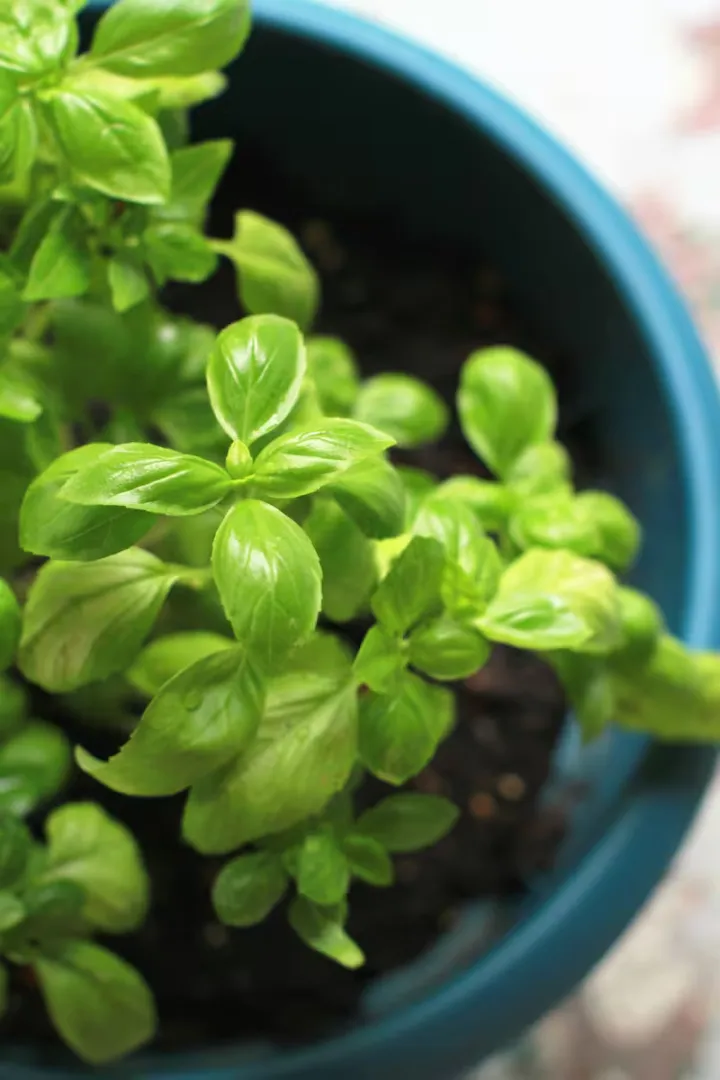
Sow indoors March, plant out May, harvest June to September. Typical frost risk November to April.
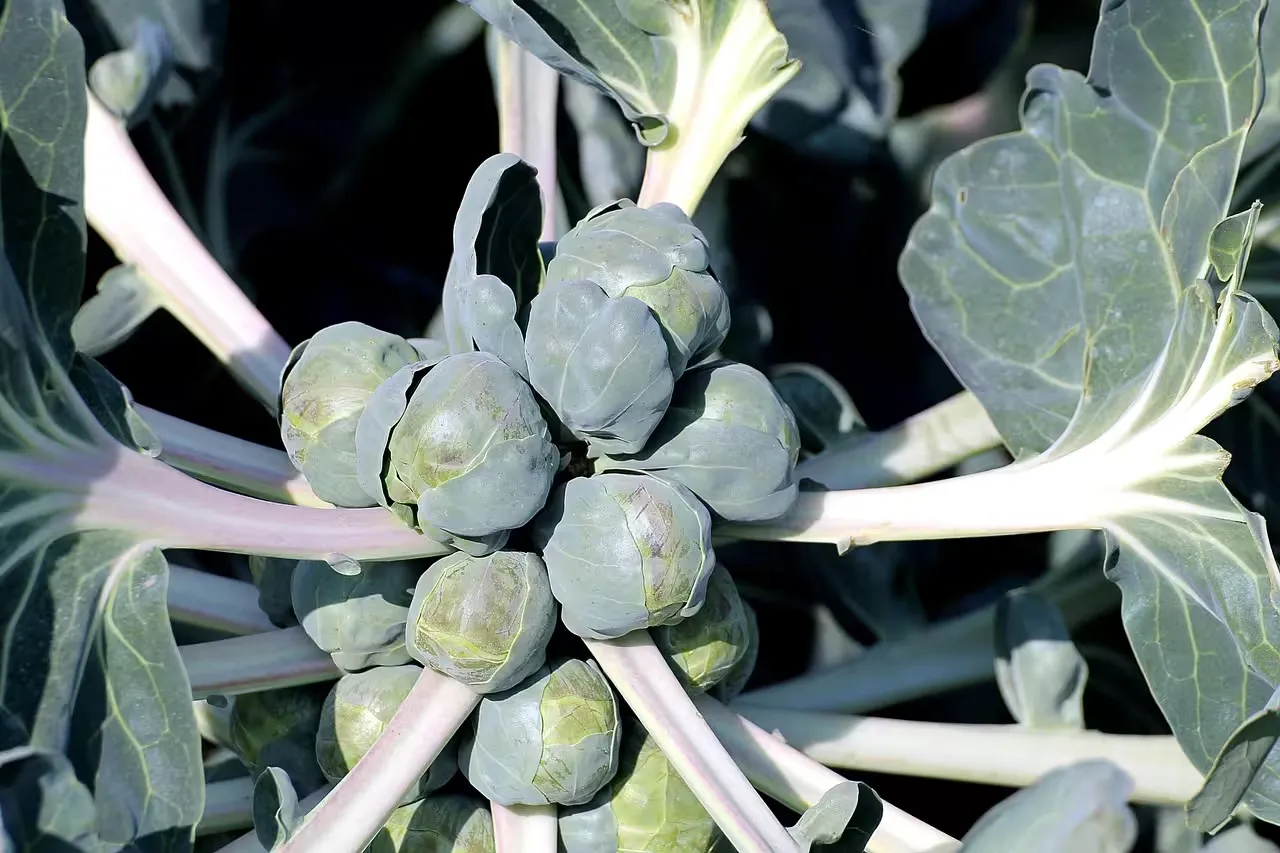
Sow indoors March, plant out May, harvest October to March. Typical frost risk November to April.
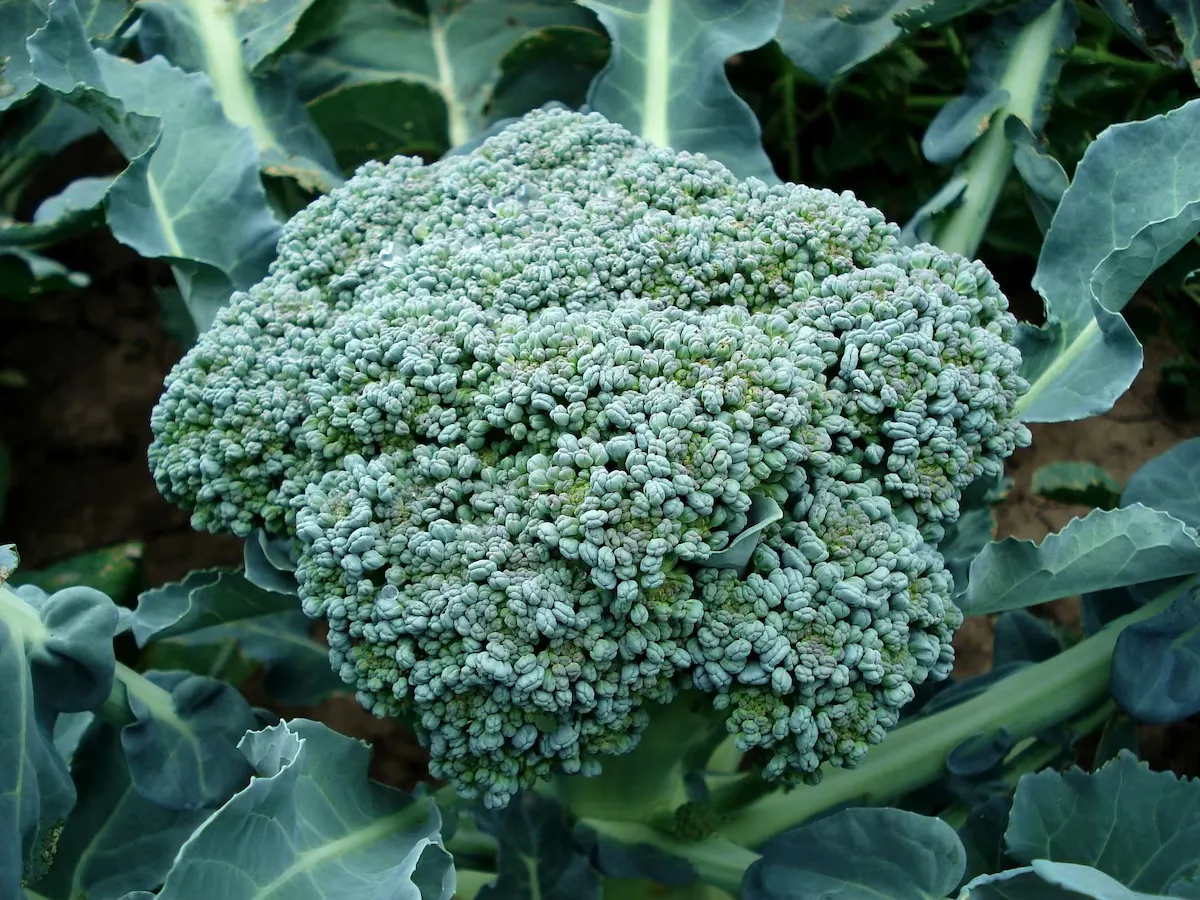
Sow indoors March, plant out May, harvest July to September. Typical frost risk November to April.
See how Plum timing shifts in other towns with different frost dates.