Hidcote
Compact with deep purple flowers and a neat habit, good for borders and pots.
Lavandula angustifolia
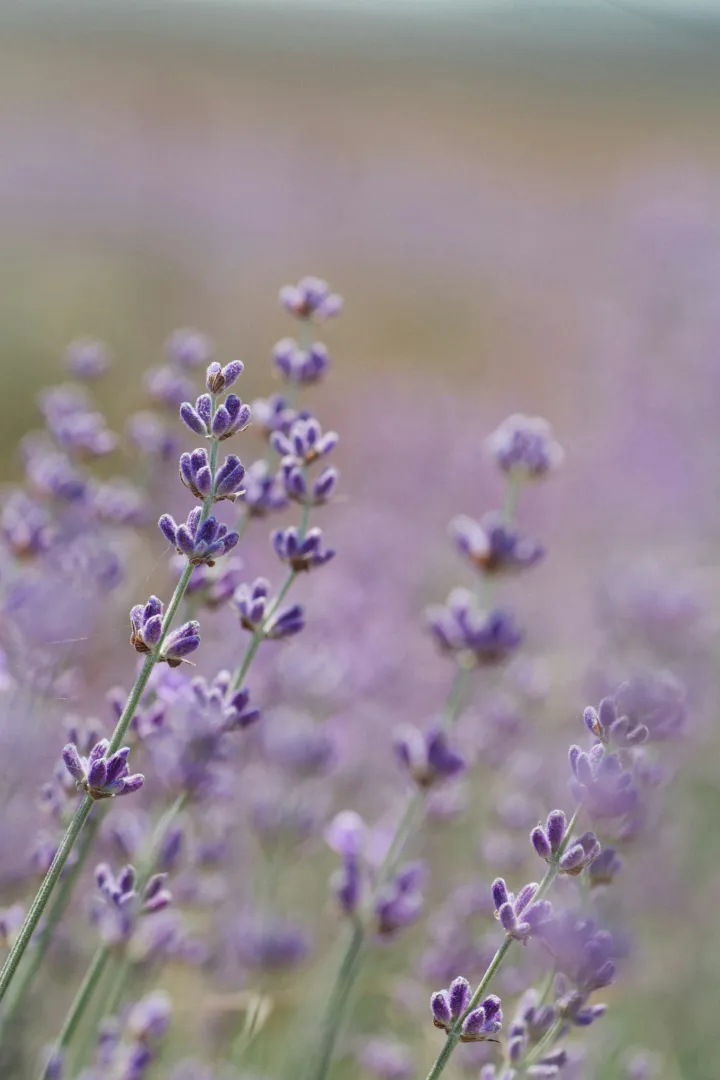
A hardy English lavender for a sunny, free-draining spot. It grows best in light soil. It hates sitting wet in winter. The first proper show comes after they settle.
60 cm · Full Sun · Low Water
Calibrated to Bath · average last frost around 24 Apr
| Activity | January | February | March | April | May | June | July | August | September | October | November | December |
|---|---|---|---|---|---|---|---|---|---|---|---|---|
| Plant out | No | No | No | No | Yes | Yes | No | No | No | No | No | No |
What to do through the growing season
01
Plant young plants around 1st May - 8th June in a sunny, free-draining spot. Set them at the same depth they were in the pot. Space apart. On heavy ground, plant on a mound with grit. Do not plant in a frost pocket. Water in.
02
Through the first summer, from 1st May to 6th September, water at the base in dry spells only. Then stop. Do not water in winter.
03
Remove faded flower spikes from 8th June - 23rd July. Cut back to a side shoot or just above fresh growth. Do not cut into old wood. Leave a few spikes at the end of the window for seed-eating birds.
04
After flowering, from 23rd July - 22nd August, take off the spent stalks plus about of green. Never cut into old wood.
Popular varieties of Lavender to consider
Compact with deep purple flowers and a neat habit, good for borders and pots.
A classic early-flowering English lavender with a low, rounded shape.
A white-flowered form that gives a softer look in mixed plantings.
A pink-flowered lavender for a lighter colour scheme.
Explore similar plants you might like
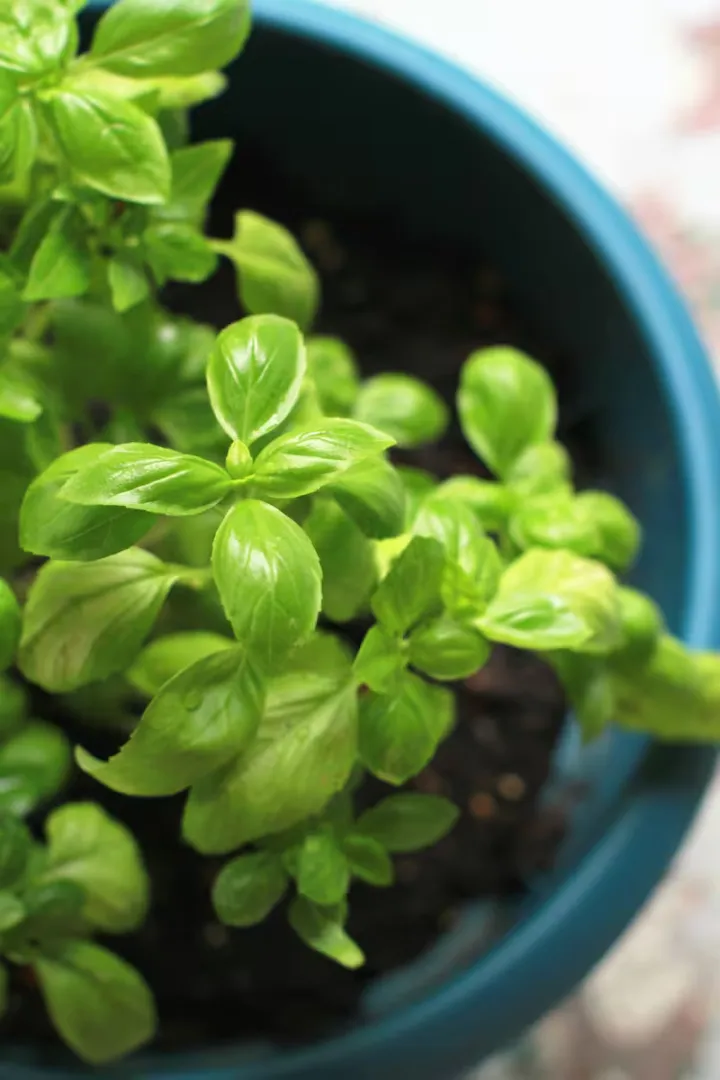
Sow indoors March, plant out May, harvest June to September. Typical frost risk November to April.
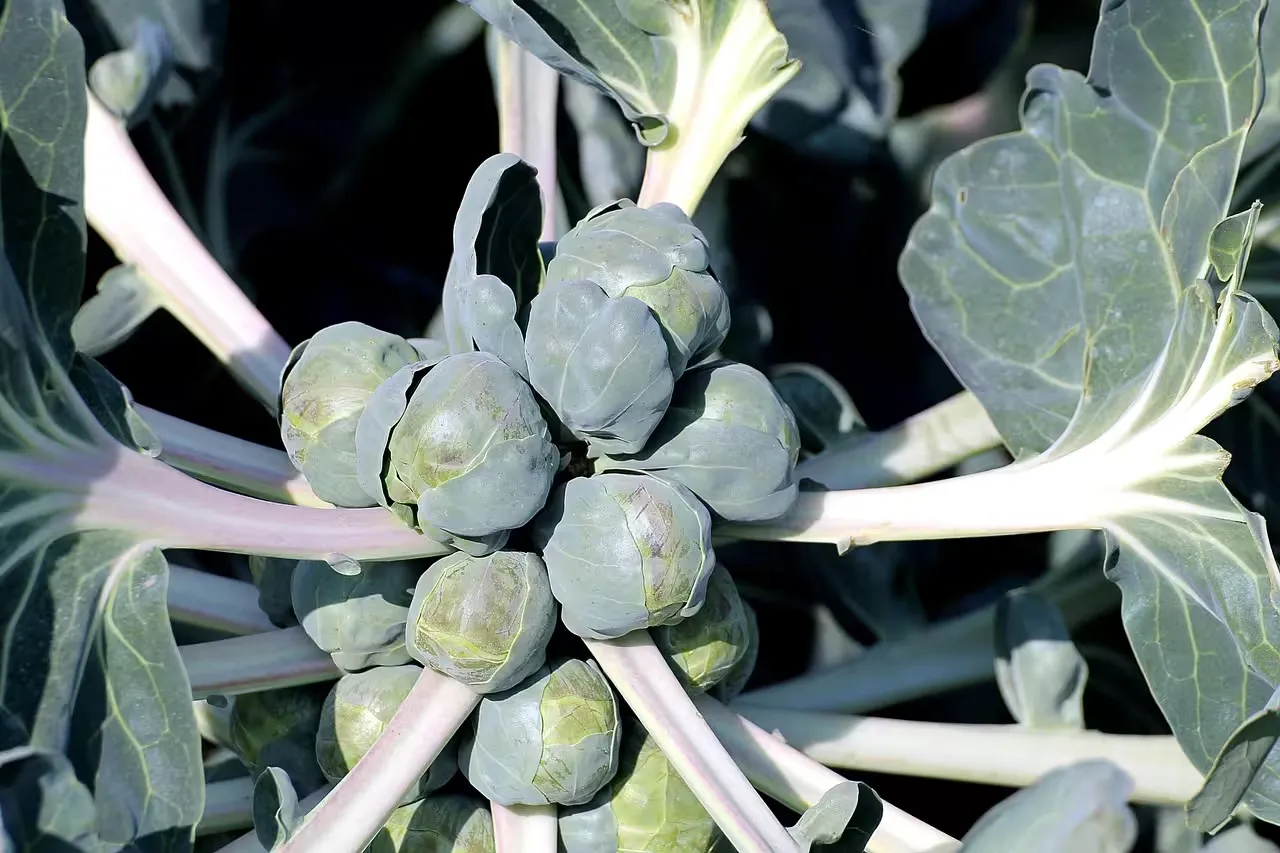
Sow indoors March, plant out May, harvest October to March. Typical frost risk November to April.
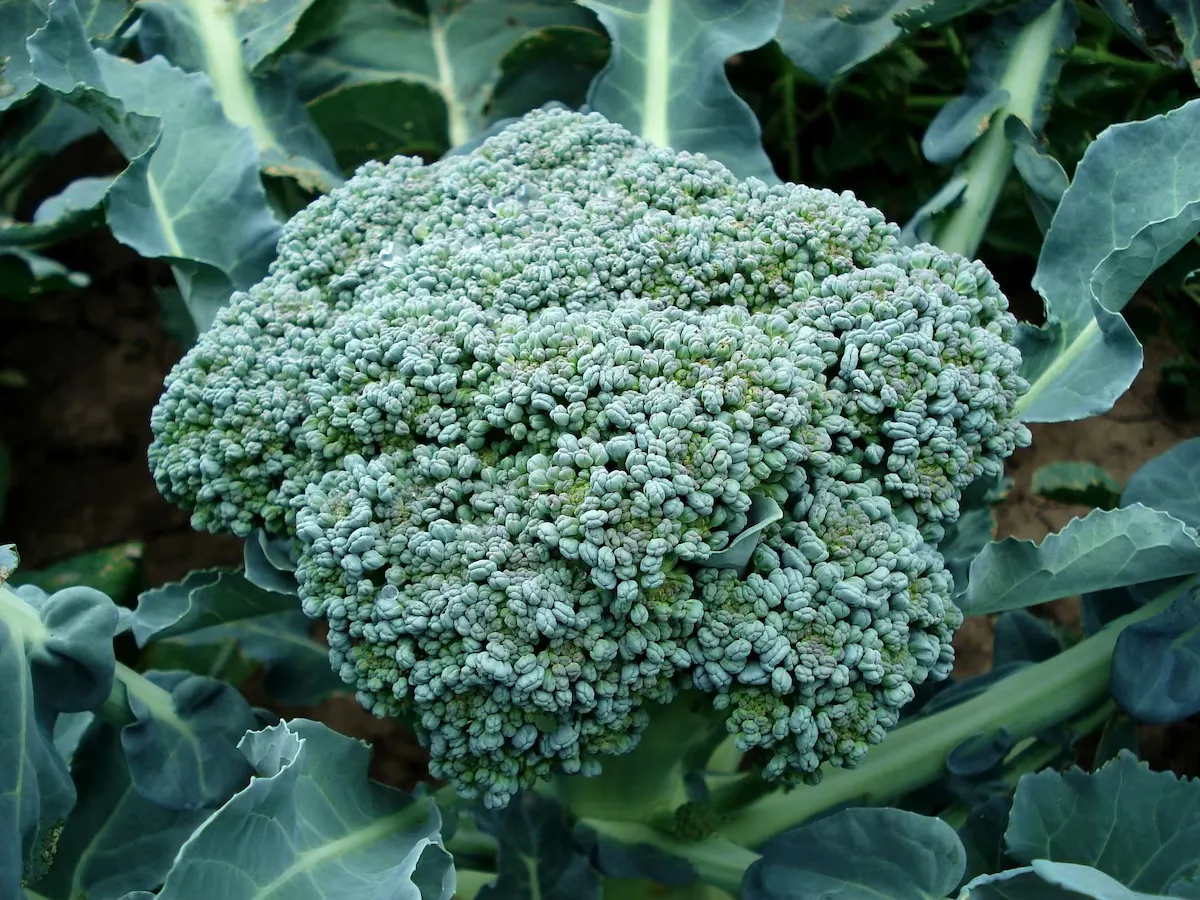
Sow indoors March, plant out May, harvest July to September. Typical frost risk November to April.
See how Lavender timing shifts in other towns with different frost dates.