Nero di Toscana
A hardy black kale with long, narrow leaves and a strong texture. Good for repeated picking in the UK garden.
Brassica oleracea var. acephala
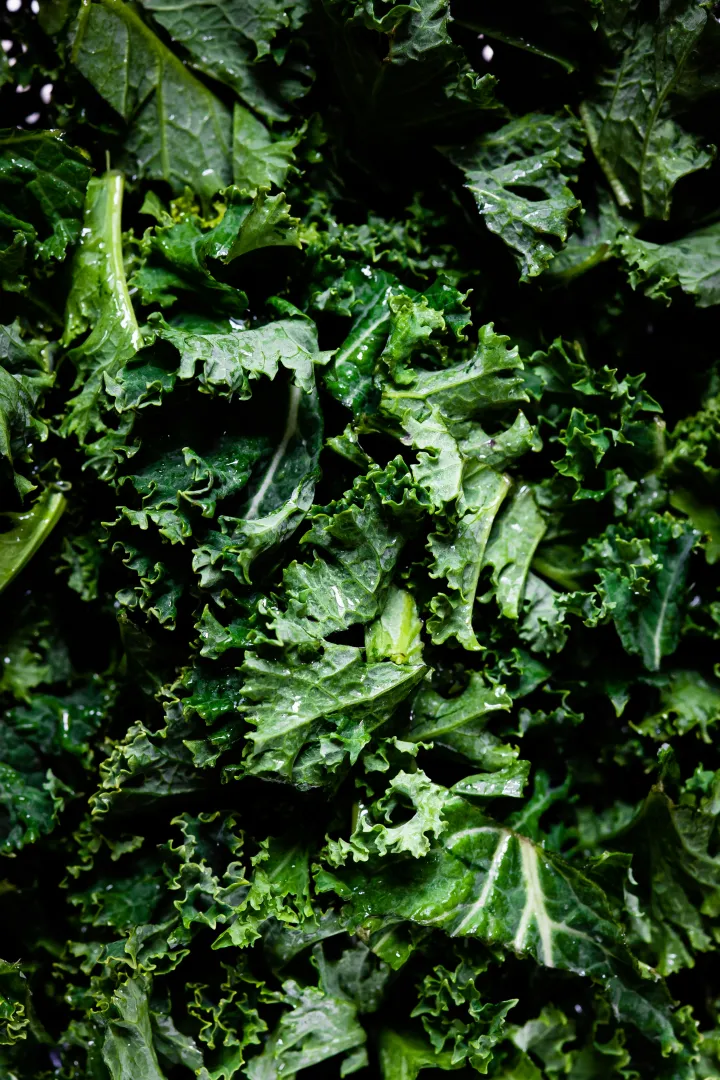
A hardy brassica for the UK garden. Grow mature plants in open ground for a long harvest in cool weather. It copes with frost, and the leaves often taste better after a cold spell. It takes full sun, and a little light shade is fine.
75 cm · Full Sun · Moderate Water
Calibrated to Bath · average last frost around 24 Apr
| Activity | January | February | March | April | May | June | July | August | September | October | November | December |
|---|---|---|---|---|---|---|---|---|---|---|---|---|
| Sow outdoors | No | No | No | Yes | Yes | No | No | No | No | No | No | No |
| Plant out | No | No | No | No | Yes | Yes | Yes | No | No | No | No | No |
| Harvest | Yes | Yes | Yes | No | No | No | No | No | No | Yes | Yes | Yes |
What to do through the growing season
01
Sow around 10th April - 22nd May in a prepared seedbed or shallow drills. Sow thinly to . Keep the soil evenly moist while they germinate.
02
After each sowing, when seedlings are large enough to handle, thin so the strongest plants have room. Keep the bed watered.
03
After each sowing, move sturdy plants to their final spots. Space apart. Firm the soil hard and plant deep so the roots are well anchored. Water in well.
04
After each sowing, from 15th May, cover with mesh for pigeons and cabbage white. Keep it on through 18th March 2028. Add collars around the stems against cabbage root fly.
06
After each sowing, start picking from 7th October once the plants are well grown. Take the outer leaves first and leave the growing point. Keep picking through 18th March 2028.
Popular varieties of Kale to consider
A hardy black kale with long, narrow leaves and a strong texture. Good for repeated picking in the UK garden.
A reliable winter kale with good cold tolerance and large, curly leaves. Suits open ground and keeps cropping well.
A deep purple-red kale with frilled leaves and good ornamental value. Tends to look best and taste best after frosts.
Explore similar plants you might like
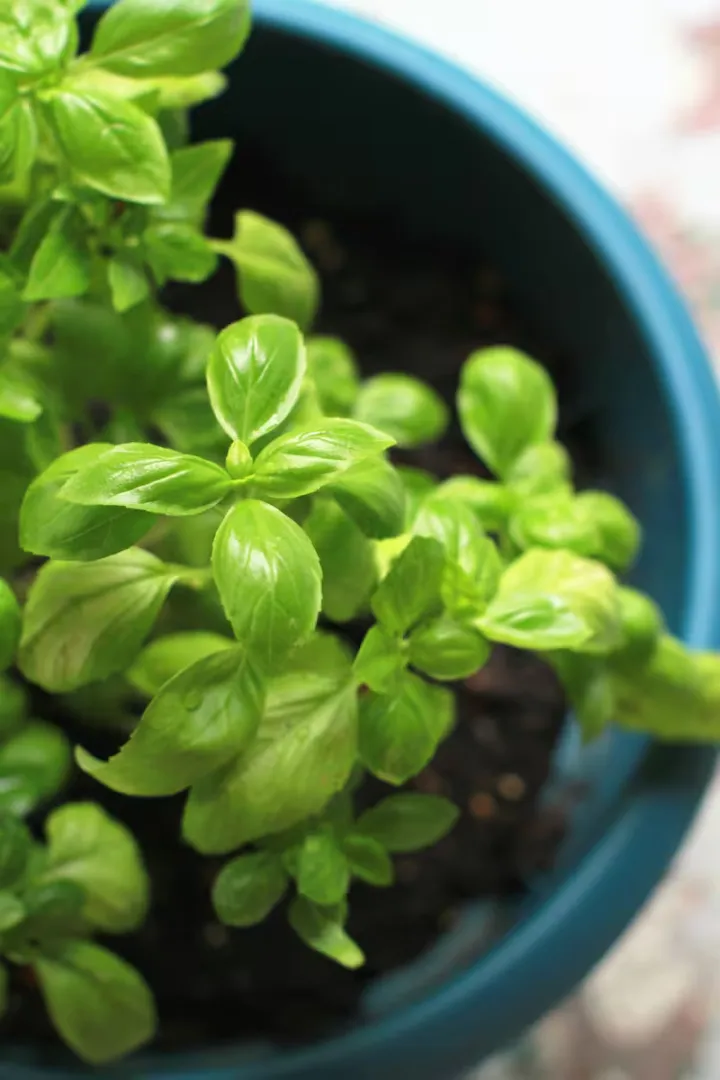
Sow indoors March, plant out May, harvest June to September. Typical frost risk November to April.
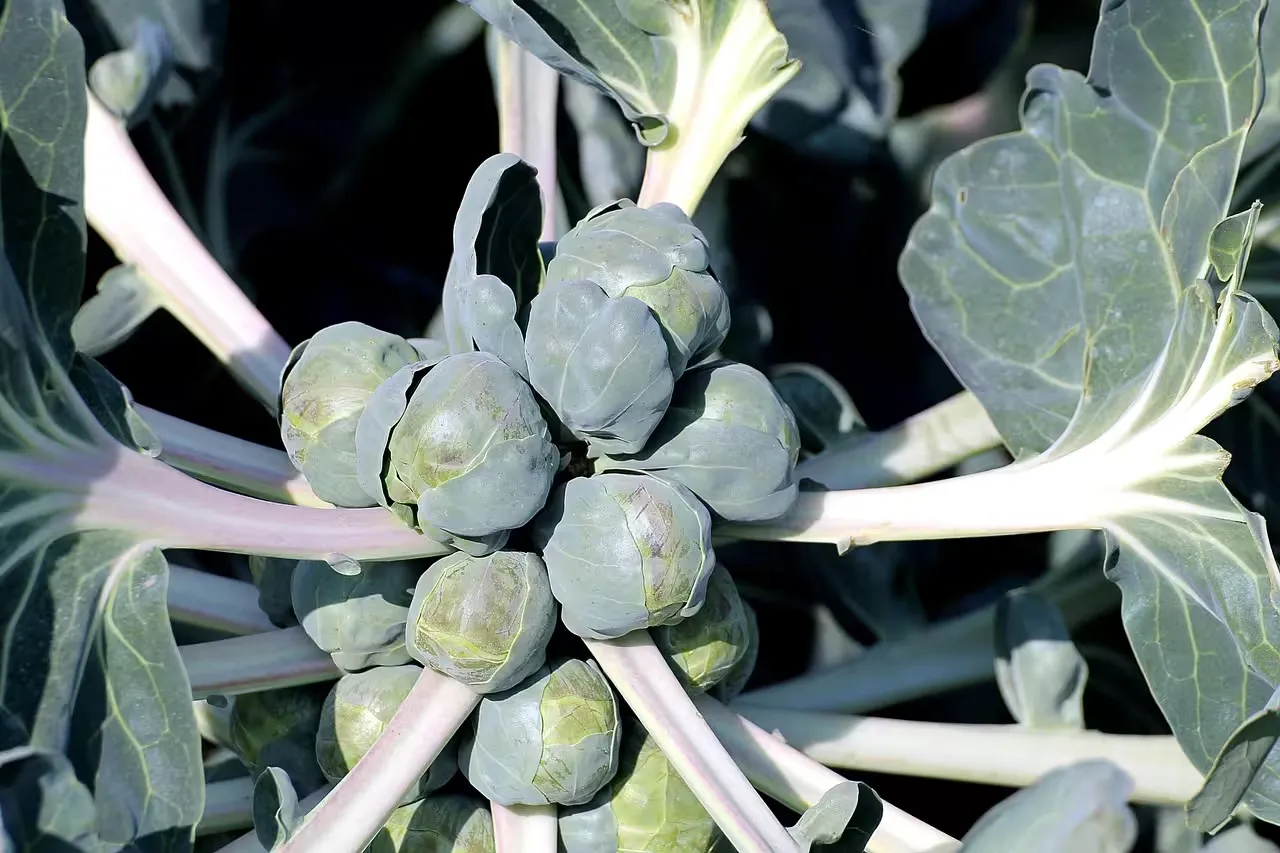
Sow indoors March, plant out May, harvest October to March. Typical frost risk November to April.
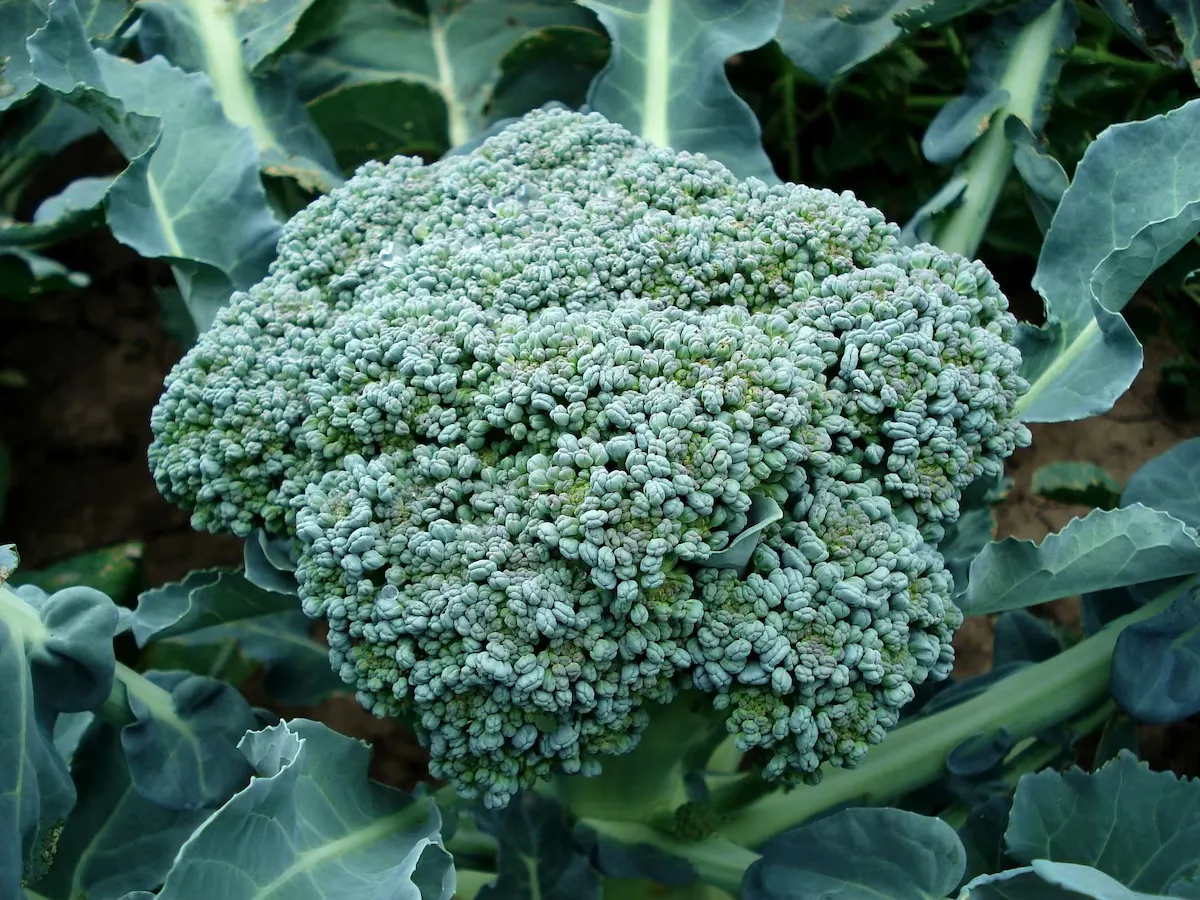
Sow indoors March, plant out May, harvest July to September. Typical frost risk November to April.
See how Kale timing shifts in other towns with different frost dates.