Tango
A dependable self-blanching celery with good flavour and solid stems. Suits the shorter UK season and is widely sold by seed merchants.
Apium graveolens var. dulce
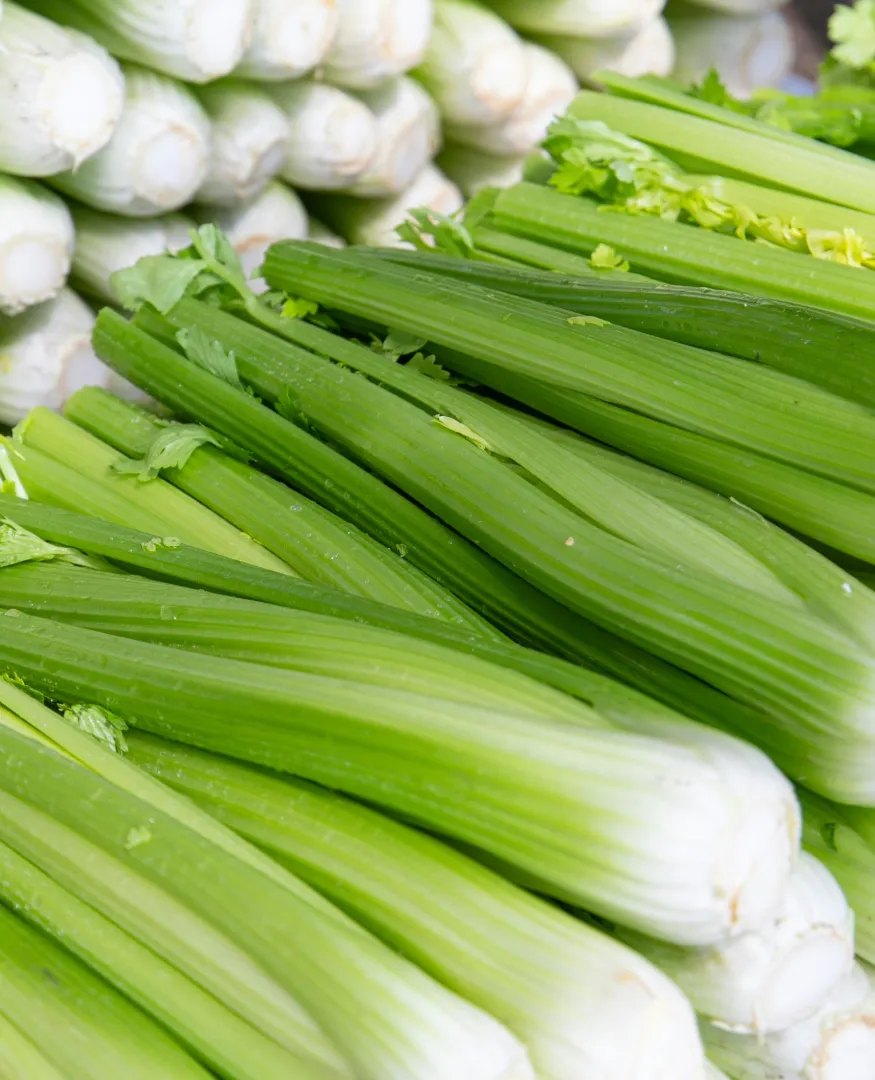
Celery grows best in rich, moisture-retentive soil and a cool, bright position. In the UK it needs a long, steady season, regular watering, and protection from drying winds to make crisp, well-flavoured stems.
60 cm · Full Sun · High Water
Calibrated to Bath · average last frost around 24 Apr
| Activity | January | February | March | April | May | June | July | August | September | October | November | December |
|---|---|---|---|---|---|---|---|---|---|---|---|---|
| Sow indoors | No | Yes | Yes | Yes | No | No | No | No | No | No | No | No |
| Plant out | No | No | No | No | Yes | No | No | No | No | No | No | No |
| Harvest | No | No | No | No | No | No | Yes | Yes | Yes | Yes | Yes | No |
What to do through the growing season
01
Sow seeds thinly around 22nd February - 13th March on the surface of fine seed compost, then just cover with a light dusting of vermiculite. Keep them at and never let the compost dry out.
02
Prick out seedlings once they are large enough to handle, from 15th March, and move each one into its own small pot. Keep the young plants growing steadily and water gently from below if possible.
03
Pot on when roots fill the small pots, from 5th April. Use a richer mix and keep the plants moving without checks, as stunted celery rarely recovers well.
04
Harden off over about 15 before planting out, from 10th April. Stand the plants outside in a sheltered spot by day and bring them back in at night at first, then leave them out for longer each day.
05
Plant out from 8th May into rich, moisture-retentive soil once the danger of frost has passed. Set plants apart, water in thoroughly at once, and protect them with fleece or cloches if cold weather returns.
06
Start from 8th May and keep going to 2nd November. Water deeply in dry spells and feed every 14 days with a balanced liquid feed to keep growth steady and stems crisp.
07
Cut the outer stems from 31st July once the plants are well filled out. Harvest over 31st July - 2nd November by taking what you need from each plant, or lift whole plants when they are fully sized before cold weather slows them down.
Popular varieties of Celery to consider
A dependable self-blanching celery with good flavour and solid stems. Suits the shorter UK season and is widely sold by seed merchants.
A classic UK celery for compact, pale stems and steady cropping. Best grown with reliable moisture and a fertile soil.
A well-known green celery with strong flavour and a longer, upright habit. It needs a good watering regime and a long season to size up properly.
Explore similar plants you might like
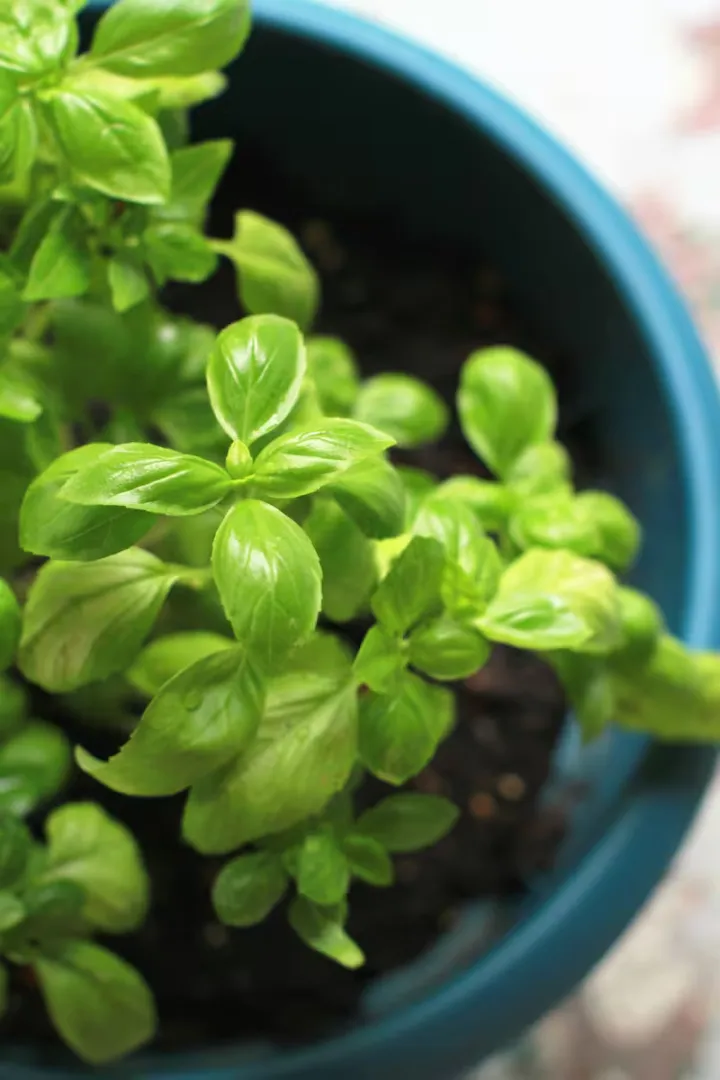
Sow indoors March, plant out May, harvest June to September. Typical frost risk November to April.
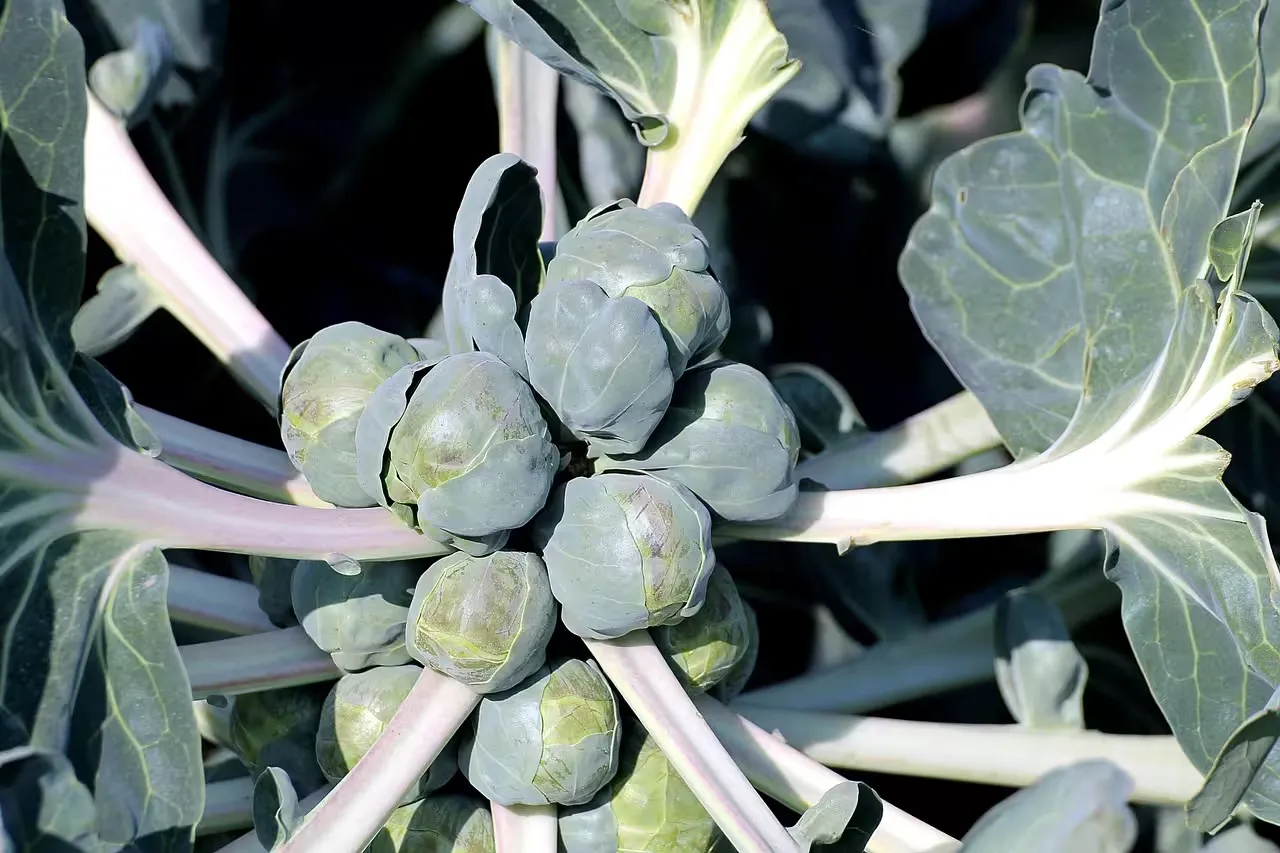
Sow indoors March, plant out May, harvest October to March. Typical frost risk November to April.
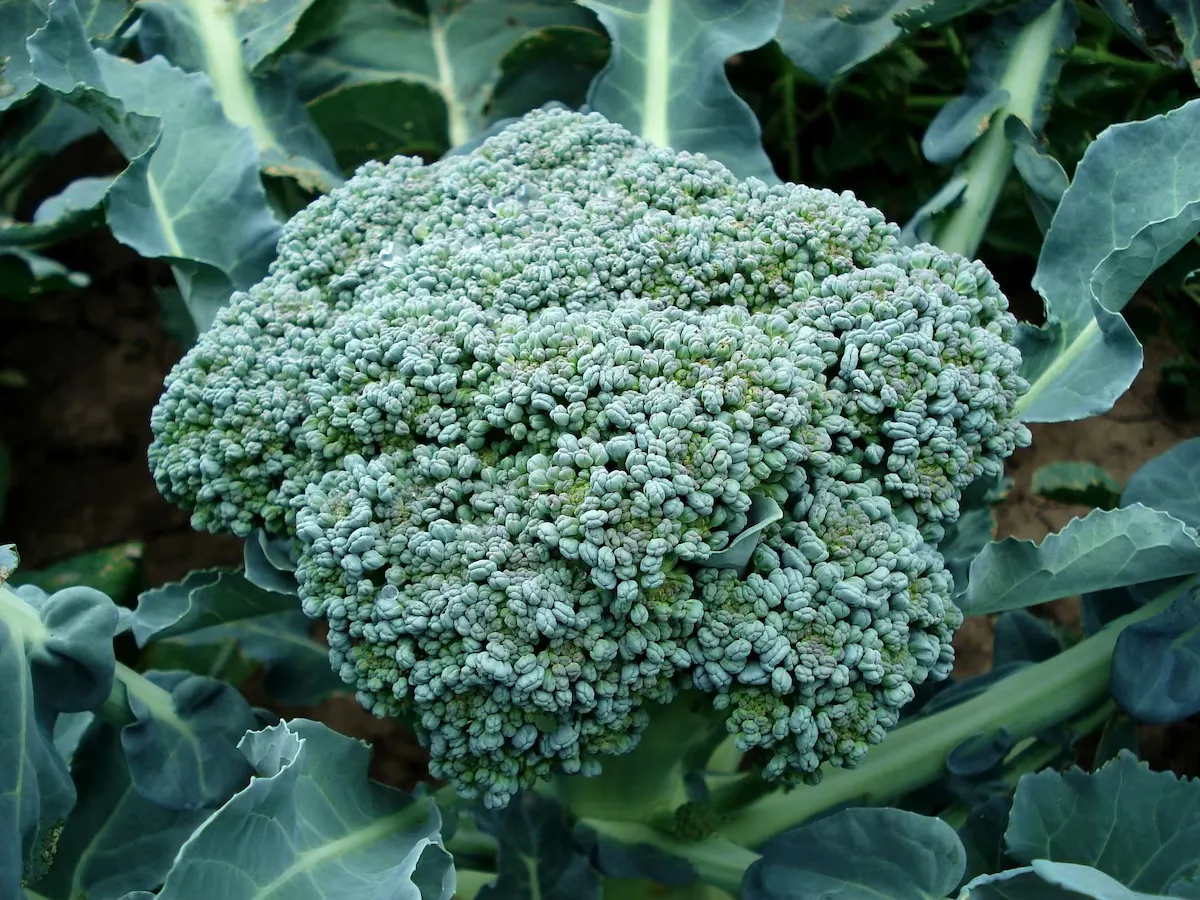
Sow indoors March, plant out May, harvest July to September. Typical frost risk November to April.
See how Celery timing shifts in other towns with different frost dates.