Monarch
A reliable selection with smooth, round roots and good standing power in the ground.
Apium graveolens var. rapaceum
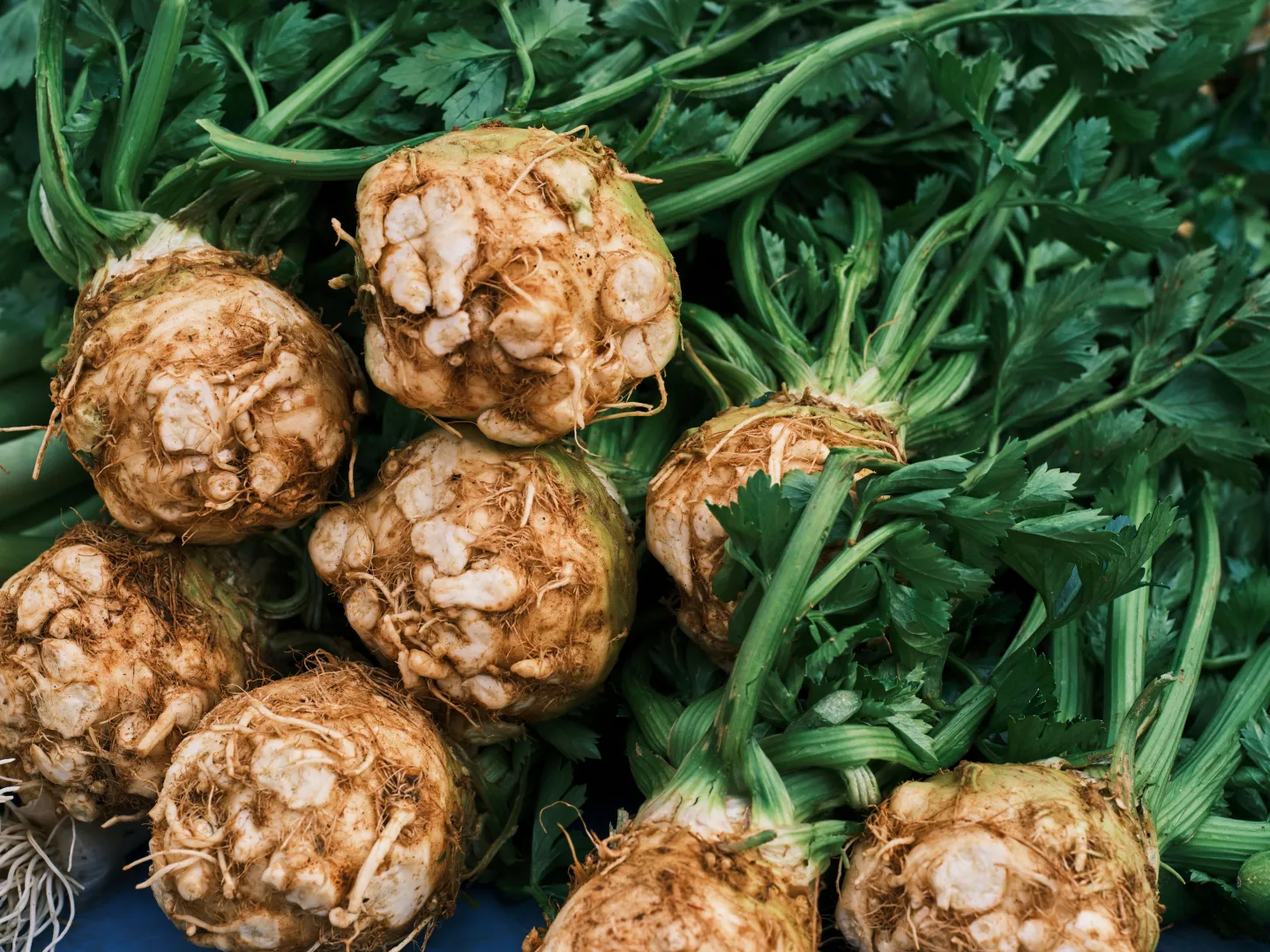
A slow-growing root crop for deep, fertile, moisture-retentive soil. In the UK, sow under cover, plant out after frost risk has passed, and keep plants evenly watered. Lift roots from autumn onwards, leaving sound roots in the ground into winter where the soil stays workable.
40 cm · Full Sun · High Water
Calibrated to Bath · average last frost around 24 Apr
| Activity | January | February | March | April | May | June | July | August | September | October | November | December |
|---|---|---|---|---|---|---|---|---|---|---|---|---|
| Sow indoors | No | Yes | Yes | No | No | No | No | No | No | No | No | No |
| Harvest | No | No | No | No | No | No | No | No | Yes | Yes | Yes | Yes |
What to do through the growing season
01
Work the soil deeply and break it down to a fine tilth around 10th April - 1st May. Remove stones and any hard lumps, then mix in well-rotted compost. Avoid fresh manure, because it makes the roots fork.
02
Sow seeds thinly on the surface of moist seed compost around 22nd February - 13th March and cover with a light dusting of vermiculite. Keep them at in bright light and keep the compost evenly moist.
03
When seedlings are large enough to handle, prick them out from 15th March - 17th April into individual small pots or modules. Handle them by the leaves and keep the young plants in bright light with evenly moist compost.
04
Harden plants off for 7 to 10 days, then plant out around 8th May - 22nd May after frost risk has passed. Space plants apart with the crown at soil level. Water in thoroughly and keep the soil evenly moist.
05
Lift roots from 13th September and keep harvesting through 4th December. Leave sound roots in the ground over winter if the soil drains well, then lift them as needed before they start to run down.
Popular varieties of Celeriac to consider
A reliable selection with smooth, round roots and good standing power in the ground.
Produces firm roots with a neat shape and steady performance in the vegetable patch.
A long-established type that gives large, usable roots and is widely grown in Britain.
Explore similar plants you might like
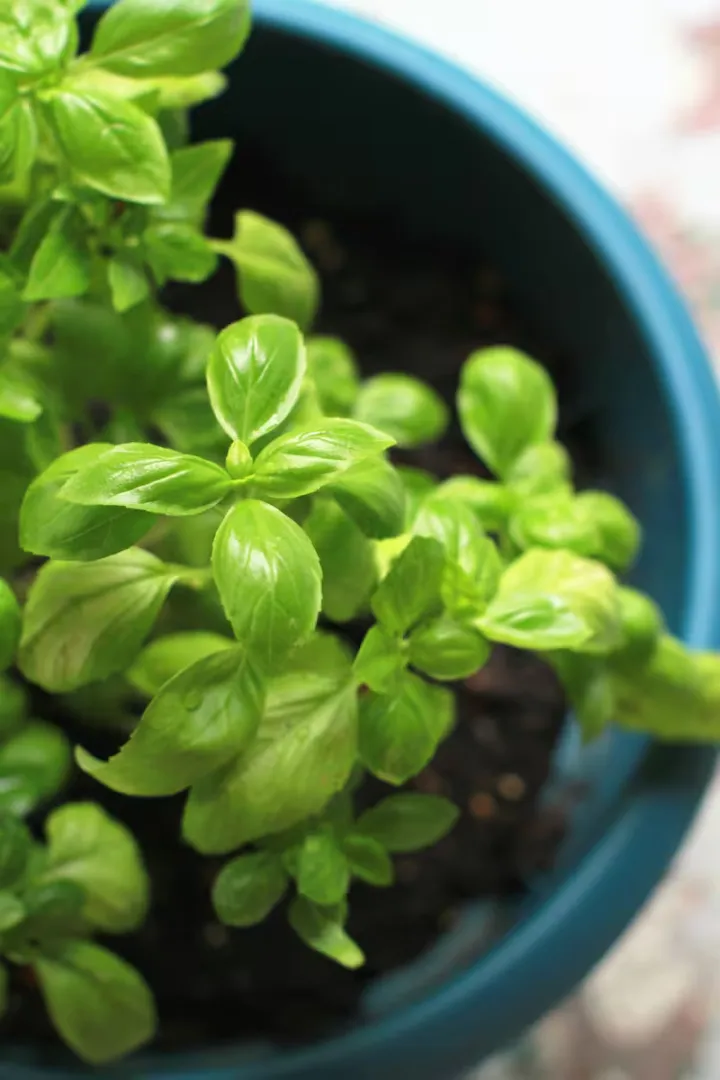
Sow indoors March, plant out May, harvest June to September. Typical frost risk November to April.
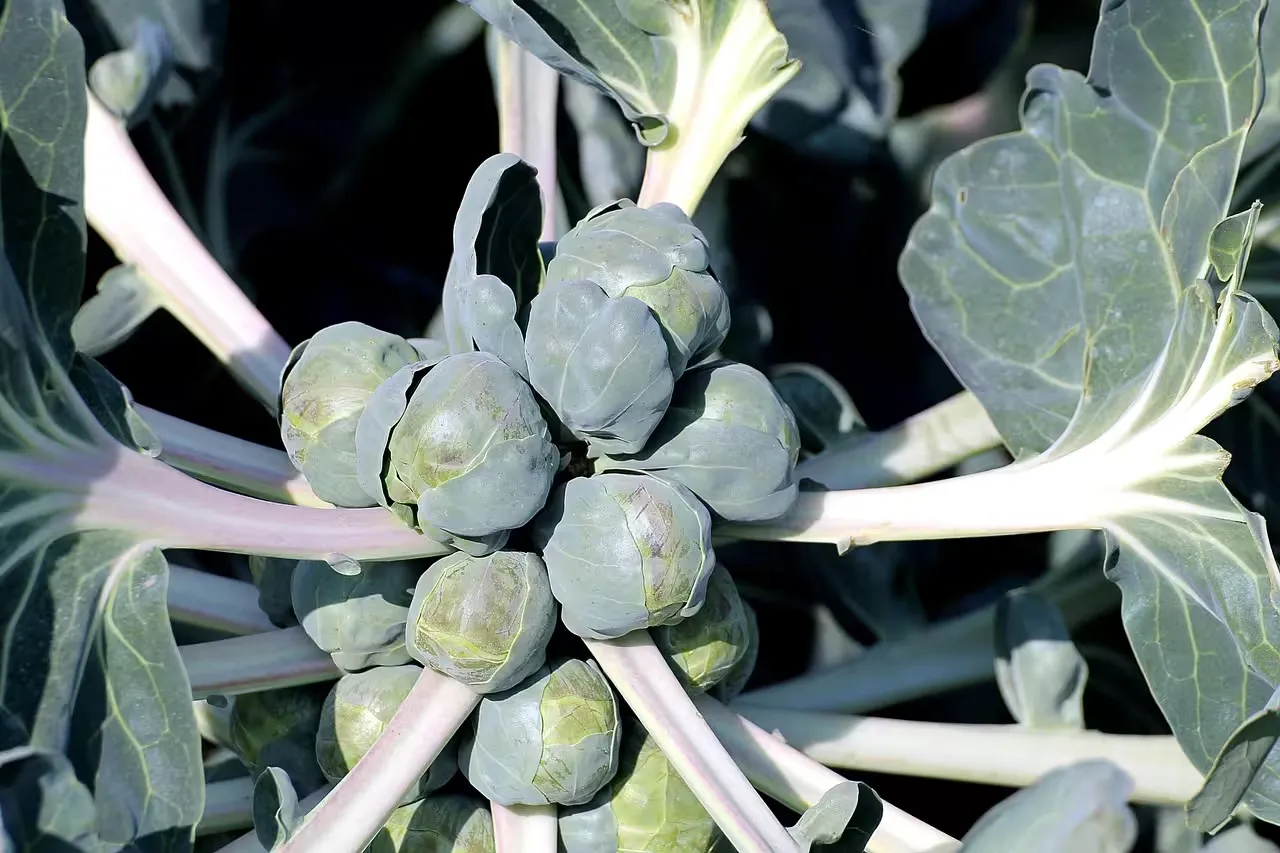
Sow indoors March, plant out May, harvest October to March. Typical frost risk November to April.
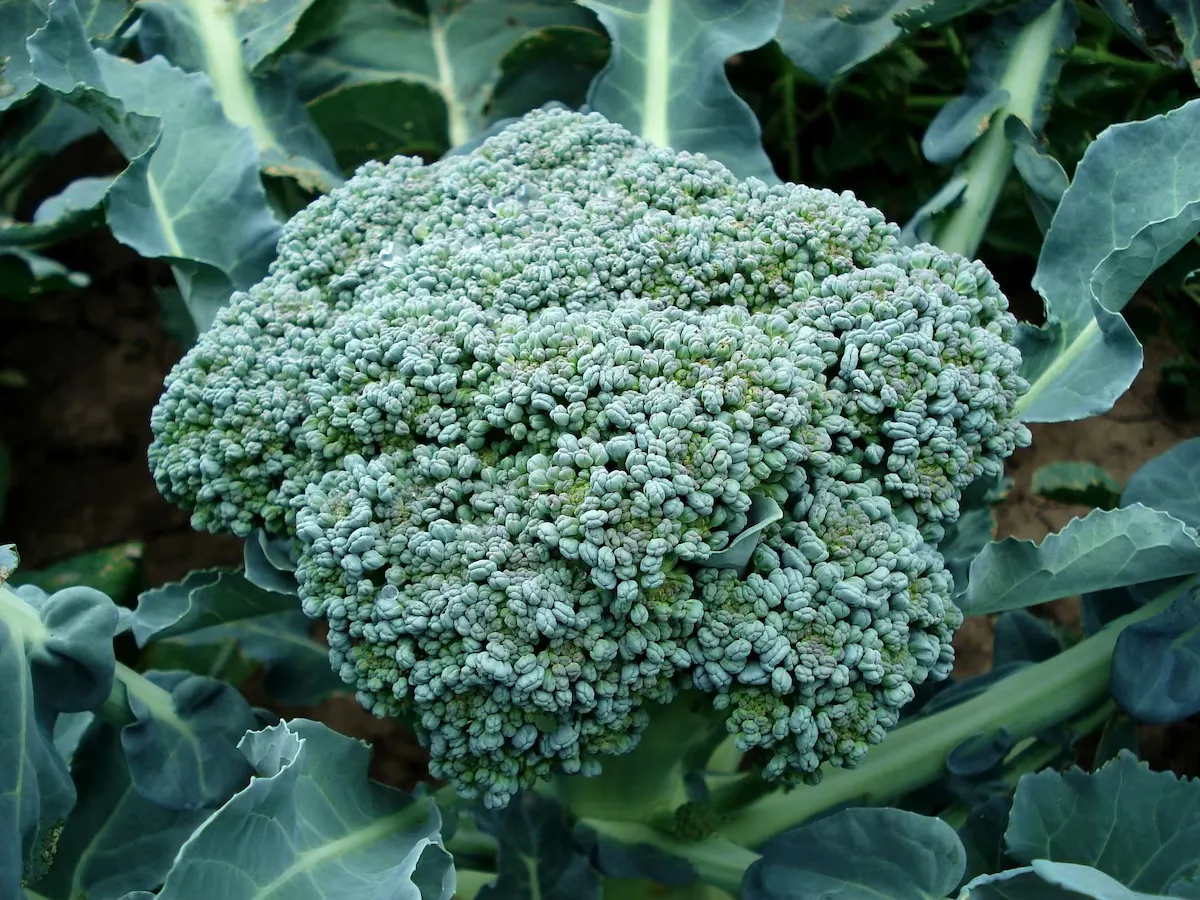
Sow indoors March, plant out May, harvest July to September. Typical frost risk November to April.
See how Celeriac timing shifts in other towns with different frost dates.