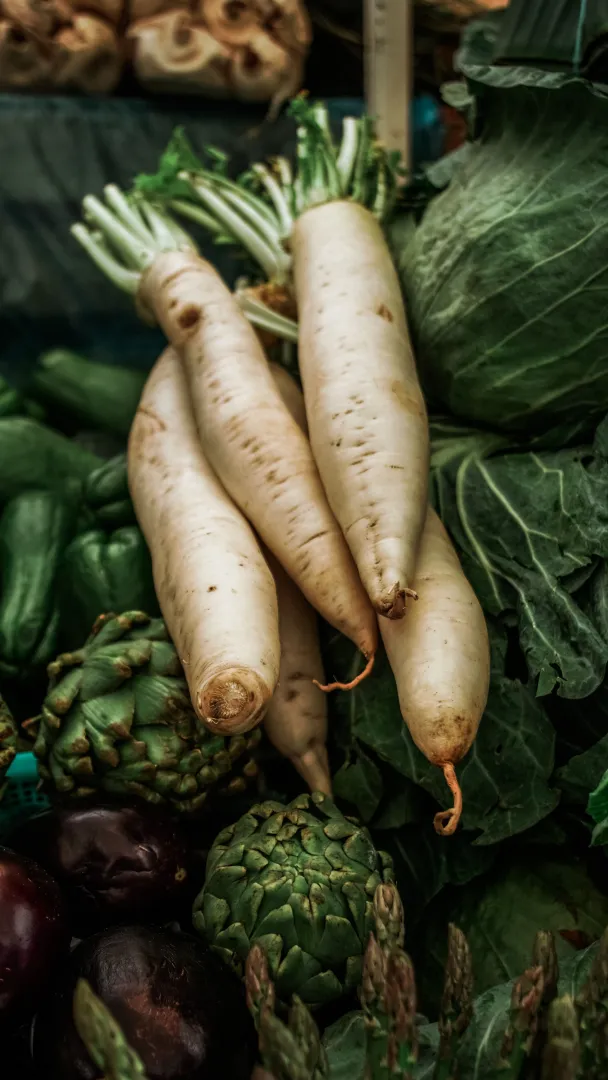
Moolis in Barwick
Raphanus sativus var. longipinnatus
A fast-growing Japanese radish for the UK veg patch. Sow direct into a fine, stone-free soil in summer, keep it well watered, and lift roots once they reach a good size and before they get woody.
Growing Guide
Step-by-step instructions for growing Mooli
Planting Calendar
Prepare the bed
17 May – 17 AugWork the soil to a fine tilth and remove stones, lumps, and old roots so the roots can grow straight. Do not add fresh manure, because it encourages forking and split roots. Aim to finish this work around 17th May - 17th August.
Sow seeds
17 May – 17 Augevery 3 weeksSow seeds directly where they are to grow, about deep. Space them lightly in rows and sow a fresh batch every 21 days for a steady run of roots through 17th May - 17th August.
Protect from root fly
17 May – 17 AugCover the row with fine insect mesh straight after sowing and keep it sealed at the edges. Leave the cover in place from 17th May so adult cabbage root fly cannot lay eggs near the seedlings.
Thin seedlings
23 Jul – 30 JulThin seedlings carefully once they are up, leaving the strongest plants to stand. Aim for apart, and do the thinning in stages if the row is crowded so you do not disturb nearby roots. This is usually done around 23rd July - 30th July.
Keep growing
16 Jul – 10 SeptWater evenly from 16th July so the roots swell steadily and do not become pithy or split. Keep the bed weed-free and use fleece or mesh if flea beetle or root fly is active.
Harvest roots
10 Sept – 21 NovLift roots as soon as they are large enough to use, usually from 10th September through 21st November. Pull them before they become tough, and leave later sowings in the ground only while the soil stays workable.
Companion Plants
Tap a plant to see why it works (or doesn't) with Mooli.
Good companions
Plants to avoid
Why companion planting matters
Companion planting can deter pests, improve pollination, and make better use of space. Some plants confuse pests or attract beneficial insects; others improve soil or offer shade to neighbours that need it.
Suggested Varieties
Popular varieties of Mooli to consider
Miyashige
A reliable white-rooted mooli with long, crisp roots and good flavour in cool UK late-summer conditions.
April Cross
A common fast-maturing daikon type that gives straight roots and is useful where the season is short.
Sakurajima
A large Japanese radish type grown for bigger roots, best given deep, fine soil and enough moisture.
Related Plants
Explore similar plants you might like
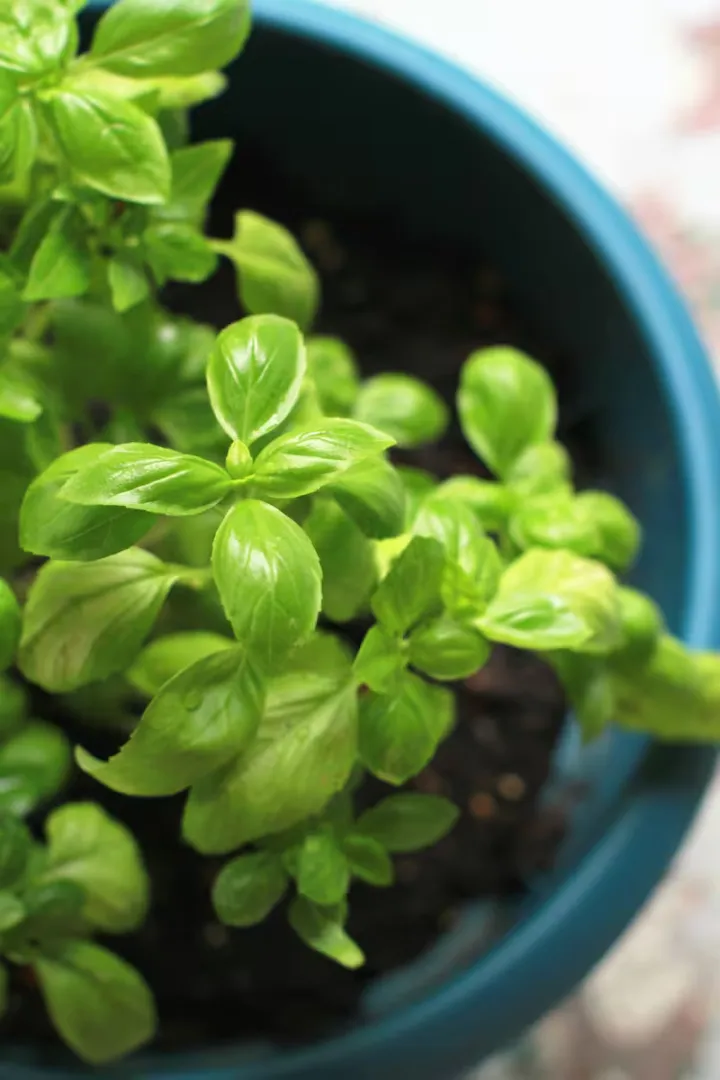
Basil
Basil is a fragrant, tender herb whose leaves are a staple of summer cooking. Native to tropical regions, basil is treated as an annual in temperate climates like the UK because it cannot tolerate frost. It thrives in warm, sunny conditions and can be grown in garden beds or pots for a steady supply of fresh, flavourful leaves throughout the summer.
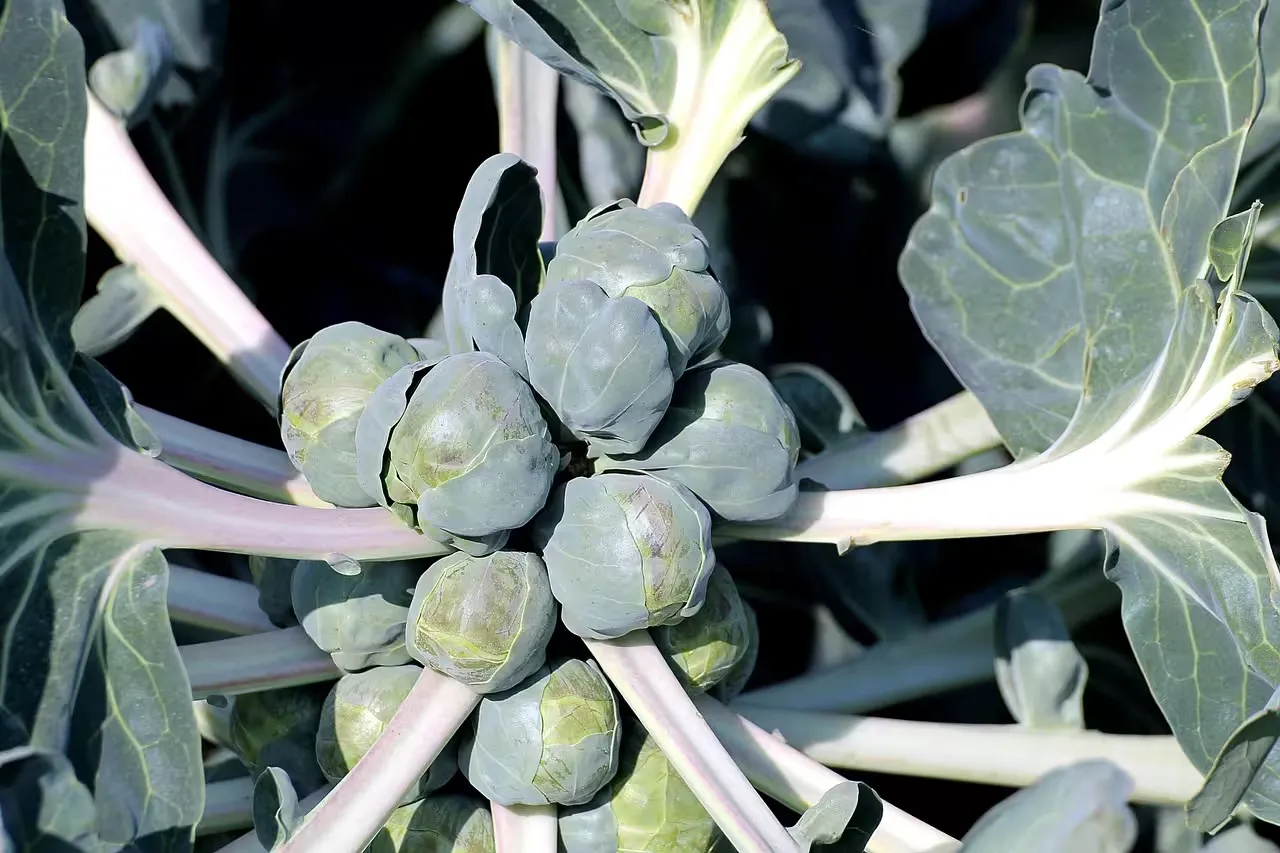
Brussels Sprouts
Brussels sprouts are a hardy winter brassica (cabbage family) that form sturdy, leafy stems often around 60–90cm tall. They produce edible mini-cabbage buds along the stem from autumn through winter. Thanks to their cold tolerance, sprouts remain productive into late winter, and frost actually improves their sweetness.
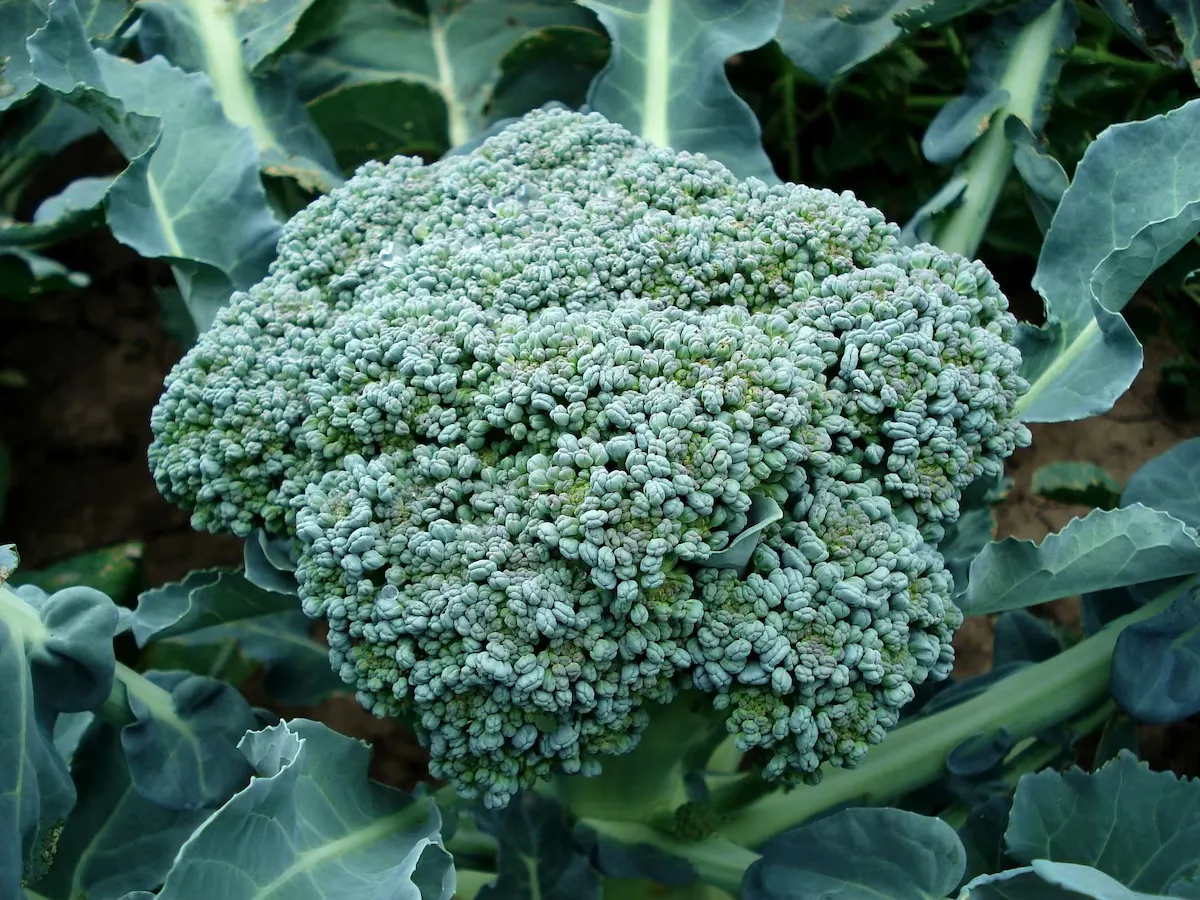
Calabrese
Calabrese (broccoli) produces a large central head of tightly-packed green buds, followed by smaller side-shoots after the main head is cut. It’s a cool-season brassica crop. Grow it in full sun with fertile, well-drained soil and keep plants watered during dry spells. Harvest the heads while firm, then leave the stem in the ground to allow side-shoots to develop.
Also in nearby towns
See how Mooli timing shifts in other towns with different frost dates.