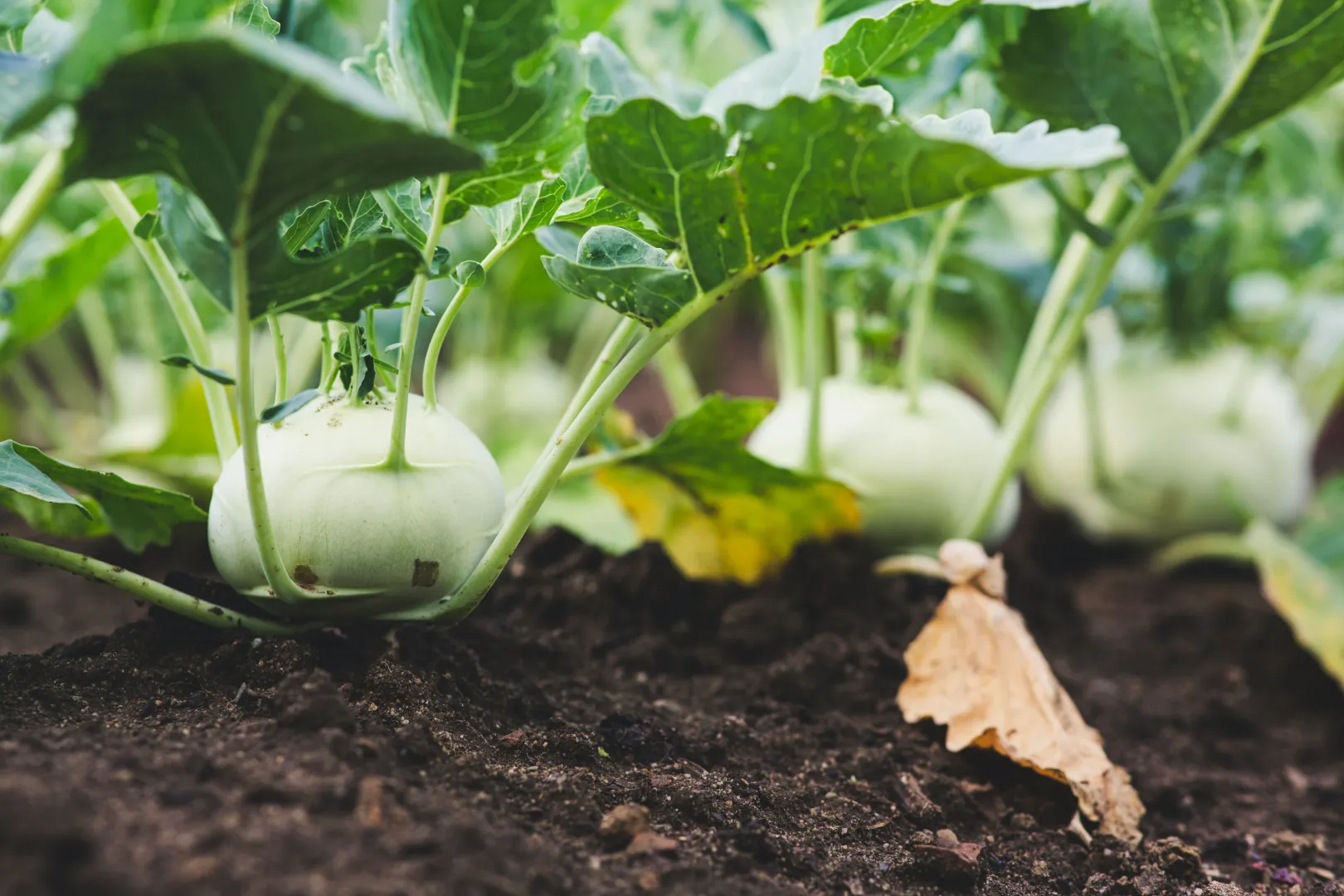
Kohlrabis in Barton in Fabis
Brassica oleracea var. gongylodes
A quick-growing brassica grown for its swollen stem, which tastes mild and crisp when picked young. It does best in cool UK conditions with steady moisture and protection from cabbage root fly and pigeons.
Growing Guide
Step-by-step instructions for growing Kohlrabi
Planting Calendar
Sow Seeds
7 Feb – 10 Julevery 3 weeksSow seeds around 7th February - 10th July in drills or short blocks, about deep. Sow a little at a time every 21 days for a steady run of crops rather than one large batch.
Thin Seedlings
4 May – 15 MayFrom 4th May, thin seedlings so the strongest plants are left at apart. Keep the soil lightly moist so the remaining plants keep moving without checking.
Protect From Pests
9 Apr – 10 JulFrom 9th April, cover the bed with fine mesh to keep out cabbage white butterflies and pigeons. Fit brassica collars snugly at the stem base to cut cabbage root fly damage, and check the netting after strong wind.
Feed Plants
23 Apr – 5 Novevery 4 weeksFrom 23rd April to 5th November, feed every 28 days with a nitrogen-rich fertiliser and keep the bed evenly watered. A steady feed helps the swollen stems bulk up without turning pithy.
Harvest Swollen Stems
4 Jun – 5 NovStart lifting or cutting from 4th June once the swollen stems are about across and still tender. Pick over the crop through 5th November, because older plants soon become woody and splitting is more common after dry spells.
Companion Plants
Tap a plant to see why it works (or doesn't) with Kohlrabi.
Good companions
Plants to avoid
Why companion planting matters
Companion planting can deter pests, improve pollination, and make better use of space. Some plants confuse pests or attract beneficial insects; others improve soil or offer shade to neighbours that need it.
Suggested Varieties
Popular varieties of Kohlrabi to consider
Kolibri
Purple-skinned, reliable and quick to mature, with crisp white flesh and a good shape for the home garden.
Azur Star
A neat, purple variety that crops well in the UK and stays tender if picked promptly.
Quickstar
A fast, compact green kohlrabi that suits small gardens and gives an early crop.
Winner
A solid green variety with good standing power and dependable bulbs for summer picking.
Related Plants
Explore similar plants you might like
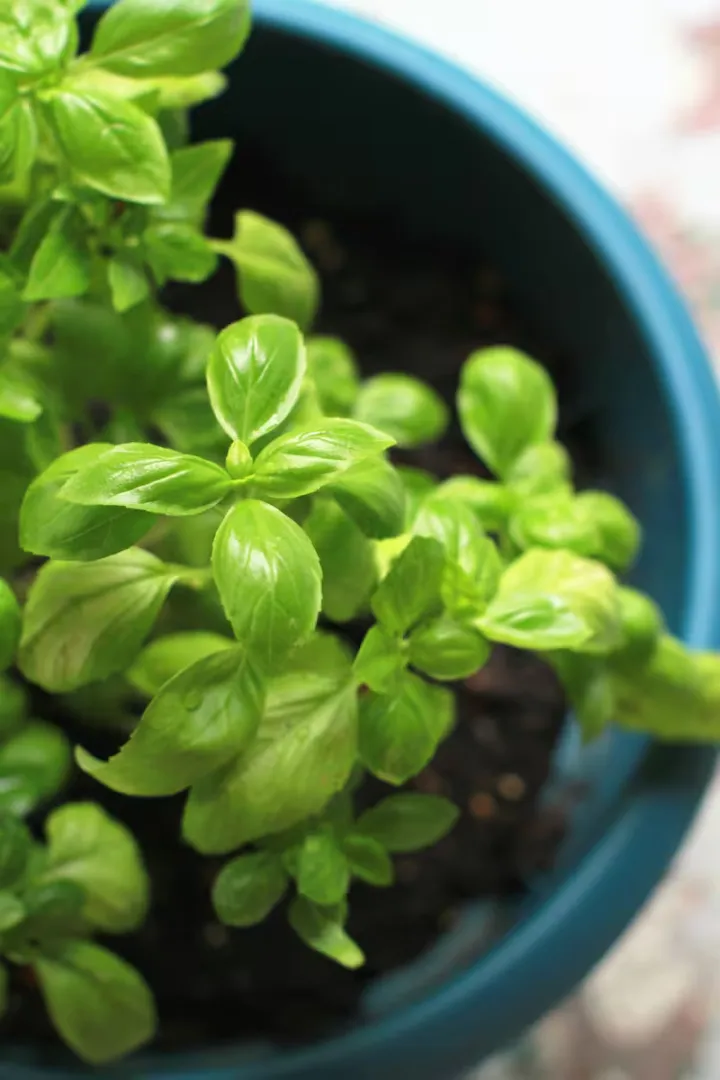
Basil
Basil is a fragrant, tender herb whose leaves are a staple of summer cooking. Native to tropical regions, basil is treated as an annual in temperate climates like the UK because it cannot tolerate frost. It thrives in warm, sunny conditions and can be grown in garden beds or pots for a steady supply of fresh, flavourful leaves throughout the summer.
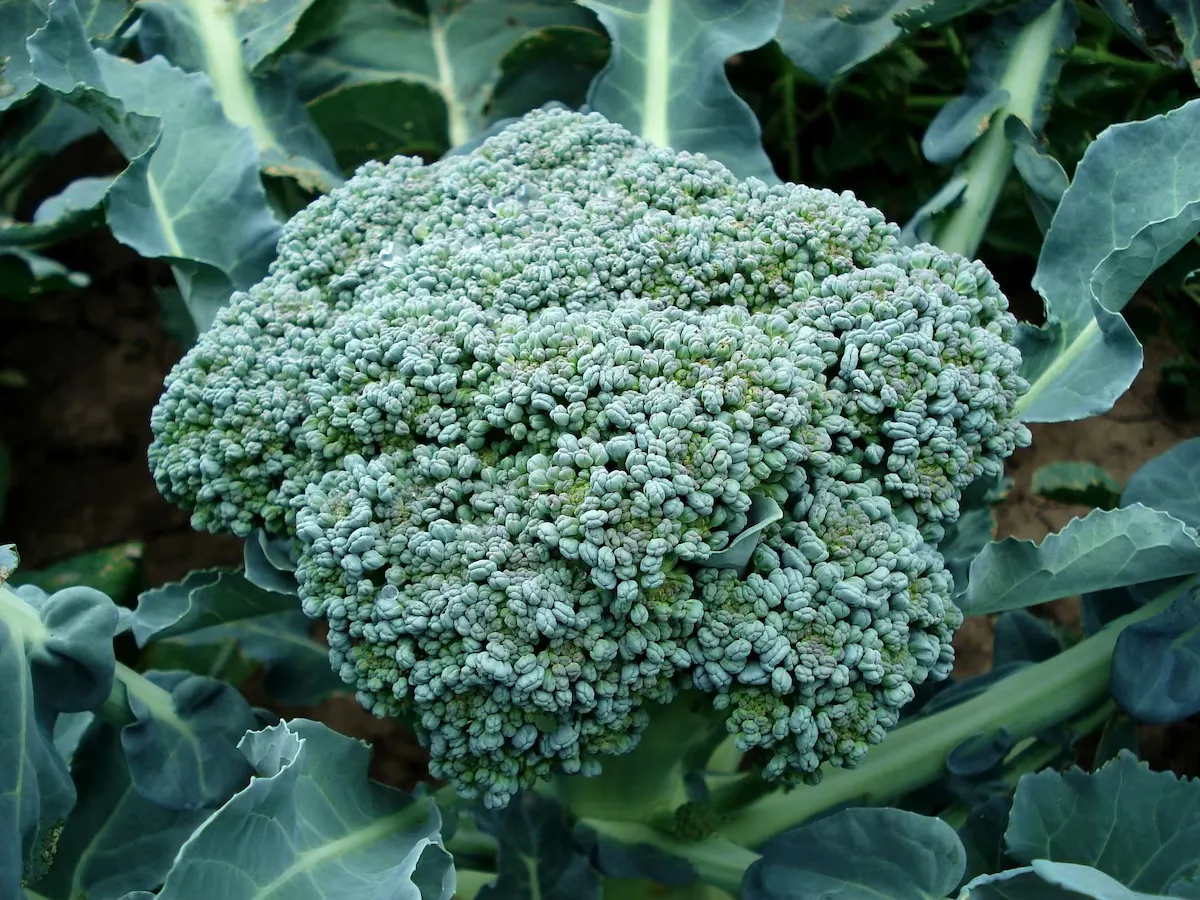
Calabrese
Calabrese (broccoli) produces a large central head of tightly-packed green buds, followed by smaller side-shoots after the main head is cut. It’s a cool-season brassica crop. Grow it in full sun with fertile, well-drained soil and keep plants watered during dry spells. Harvest the heads while firm, then leave the stem in the ground to allow side-shoots to develop.
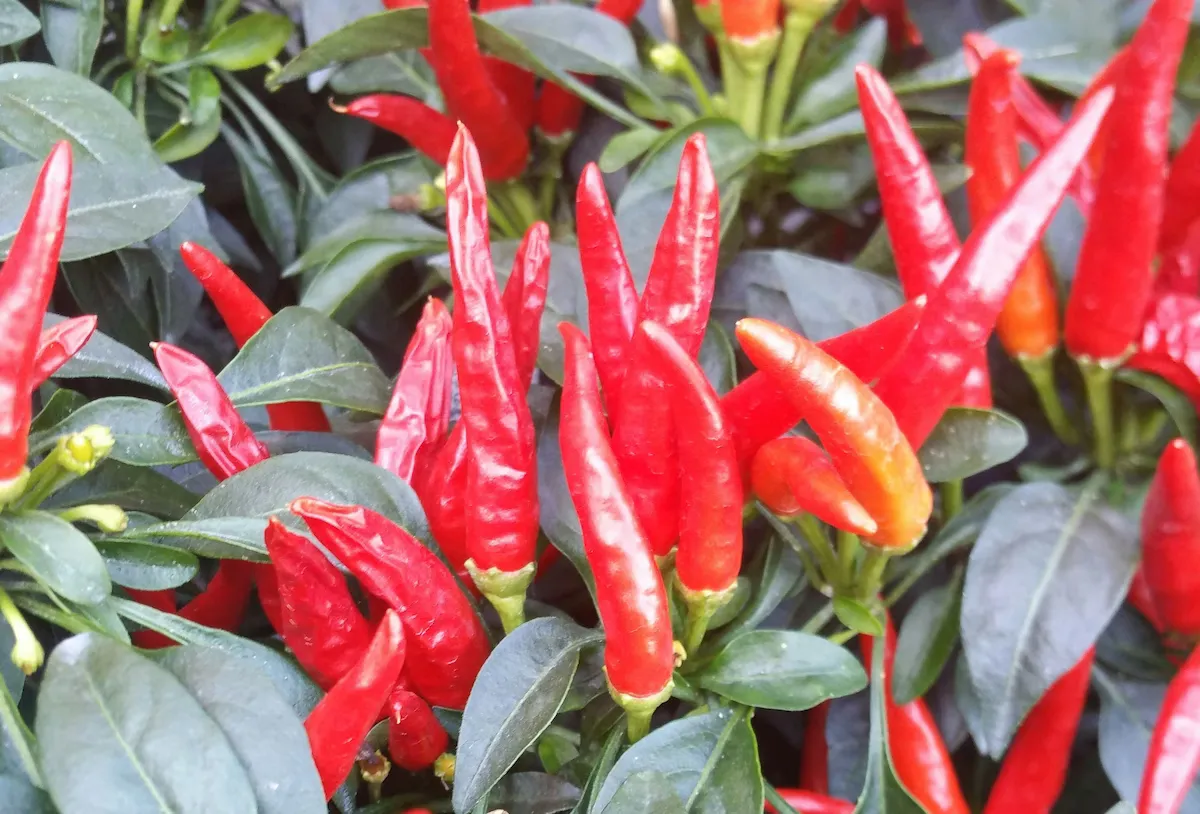
Chilli Pepper
Chilli peppers are tender perennials grown as annuals in the UK, requiring a long, warm season. They thrive in a greenhouse or a sunny, sheltered outdoor spot, producing fruits that range from mild to intensely hot depending on variety and growing conditions.
Also in nearby towns
See how Kohlrabi timing shifts in other towns with different frost dates.