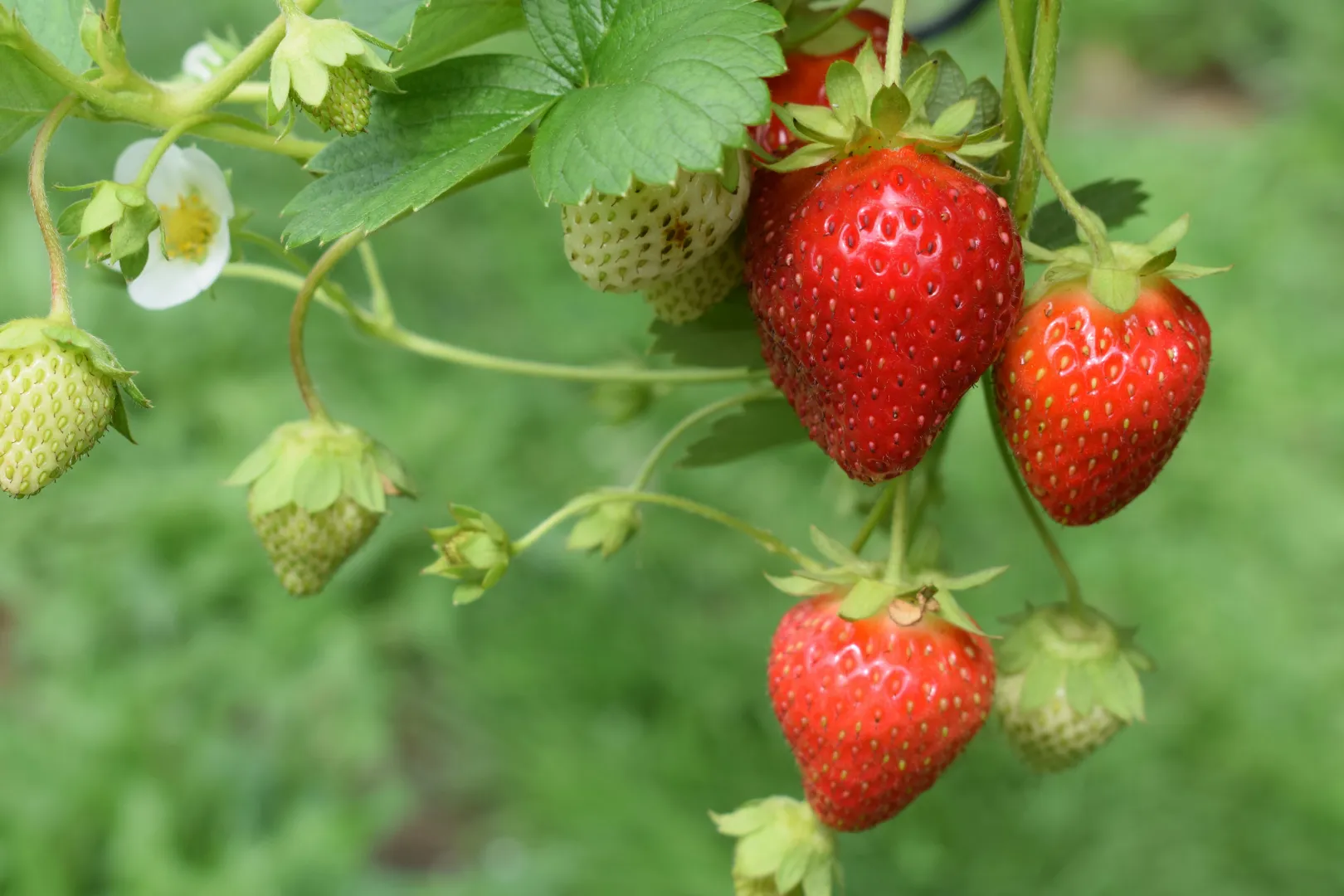
Strawberries in Barr's Cottage
Fragaria × ananassa
A hardy perennial fruit that does well in most UK gardens. Plant in a sunny, sheltered spot with free-draining soil or compost, and keep it watered while the roots settle and the fruit swells.
Growing Guide
Step-by-step instructions for growing Strawberry
Planting Calendar
Plant Runners
19 Mar – 2 MayPlant bare-root runners around 19th March - 2nd May in well-prepared soil. Set the crowns at soil level, space plants apart, and water in thoroughly straight away.
Water to Establish Roots
10 Apr – 29 SeptKeep the soil evenly moist from 10th April through the first growing season, especially in dry spells. Water at the base rather than over the leaves to help avoid mould and fruit rot.
Mulch and Feed
4 Apr – 2 Mayevery 365 daysFrom 4th April, mulch around the plants with well-rotted compost or manure, leaving the crown clear. Repeat every 365 days to hold moisture in and support fruiting.
Net Plants
2 Jun – 12 JunPut netting over the plants from 2nd June before the fruits start to colour. Fix it well clear of the foliage so birds cannot reach the berries.
Harvest Fruit
2 Jun – 2 JulPick ripe berries from 2nd June as soon as they are fully coloured and come away easily. Harvest regularly over 2nd June - 2nd July, and pick in the morning for the best flavour.
Remove Runners
2 Jul – 17 JulFrom 2nd July, lift or cut away unwanted runners after harvest so the plant puts its energy into next year’s crop. Keep a few strong runners if you want to replace older plants.
Companion Plants
Tap a plant to see why it works (or doesn't) with Strawberry.
Good companions
Plants to avoid
Why companion planting matters
Companion planting can deter pests, improve pollination, and make better use of space. Some plants confuse pests or attract beneficial insects; others improve soil or offer shade to neighbours that need it.
Suggested Varieties
Popular varieties of Strawberry to consider
Mara des Bois
A fragrant, late-cropping type with a good dessert flavour.
Cambridge Favourite
A reliable early variety for open ground and containers.
Hapil
A strong-cropping mid-season variety with large, glossy fruit.
Florence
A late-season variety that crops well and usually holds fruit for longer.
Related Plants
Explore similar plants you might like
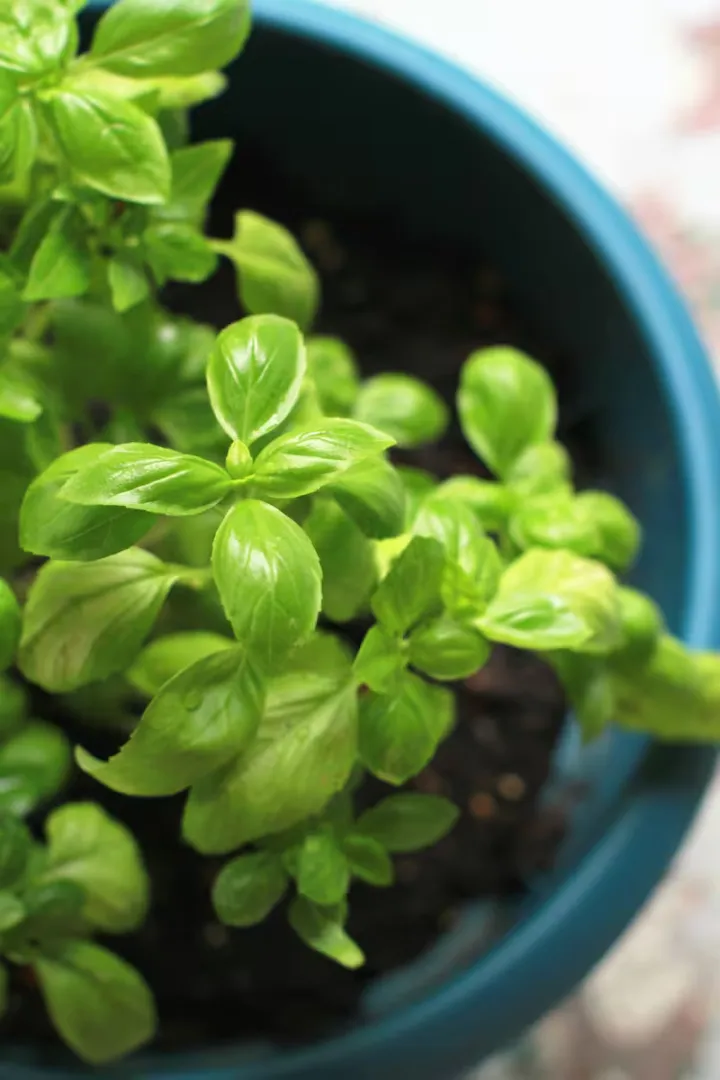
Basil
Basil is a fragrant, tender herb whose leaves are a staple of summer cooking. Native to tropical regions, basil is treated as an annual in temperate climates like the UK because it cannot tolerate frost. It thrives in warm, sunny conditions and can be grown in garden beds or pots for a steady supply of fresh, flavourful leaves throughout the summer.
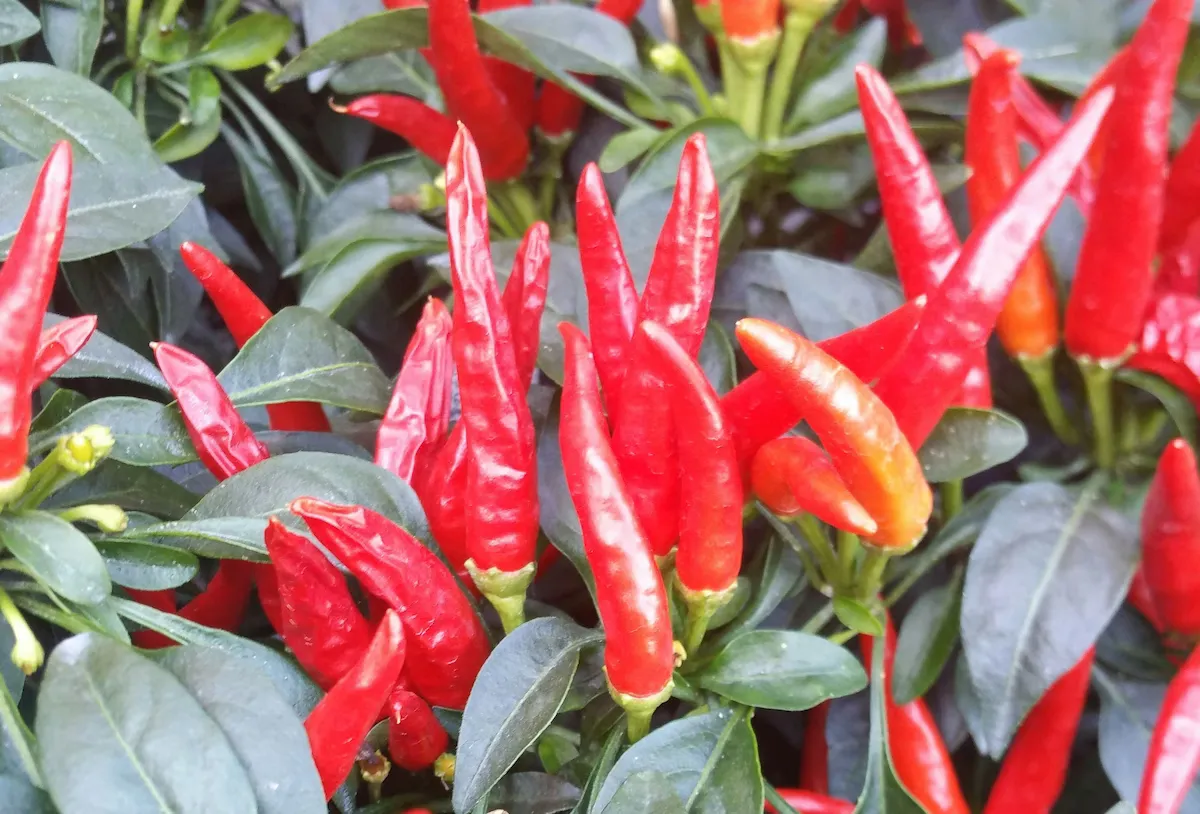
Chilli Pepper
Chilli peppers are tender perennials grown as annuals in the UK, requiring a long, warm season. They thrive in a greenhouse or a sunny, sheltered outdoor spot, producing fruits that range from mild to intensely hot depending on variety and growing conditions.
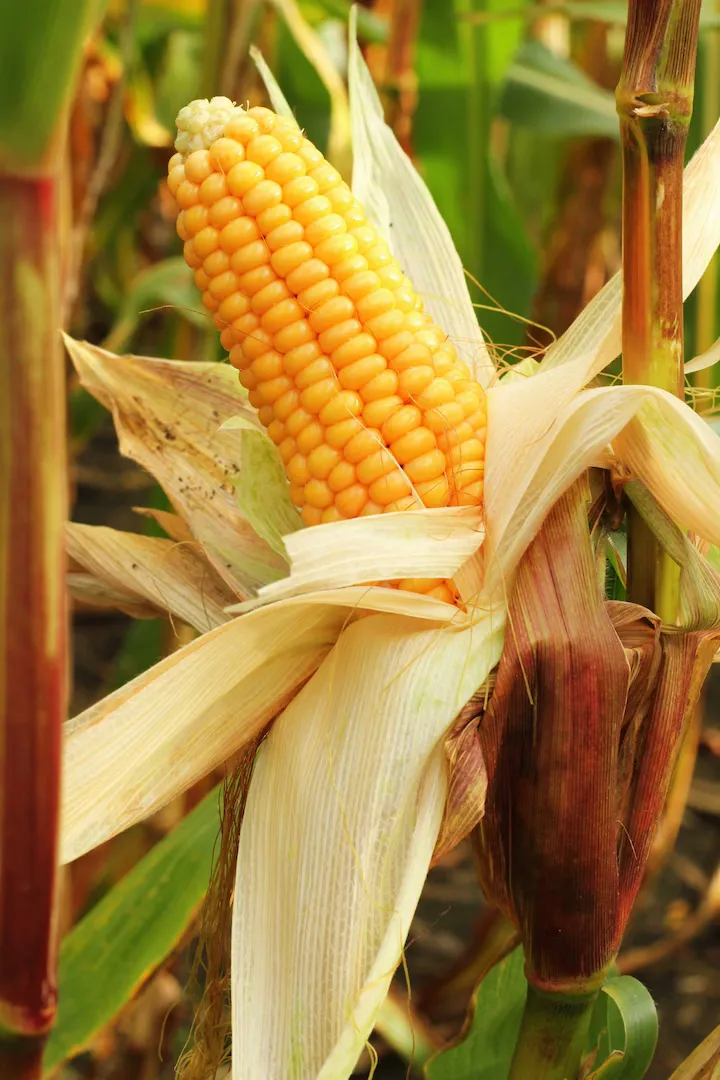
Sweetcorn
Sweetcorn is a tall annual plant grown for its sweet, juicy cobs. It thrives in warm, sunny conditions and must be planted after the last frost. Plants are wind-pollinated, so for best results grow them in blocks rather than single rows, ensuring well-filled cobs. With good care and warm weather, sweetcorn will reward you with delicious fresh corn-on-the-cob in late summer.