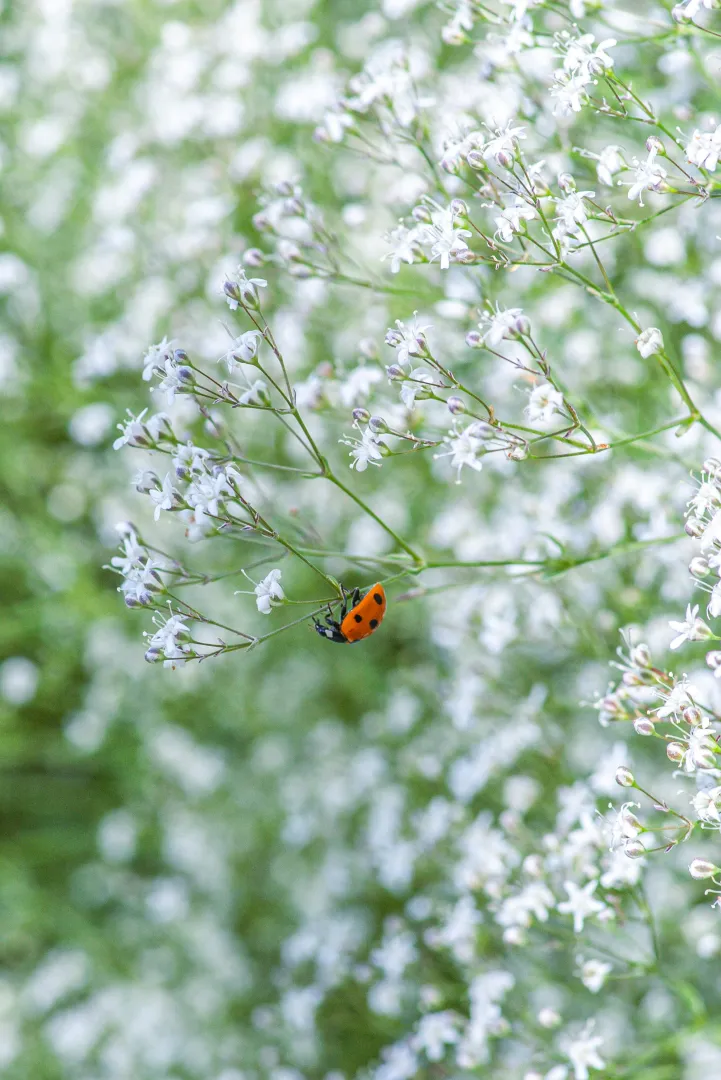
Gypsophilas in Barr's Cottage
Gypsophila paniculata
Hardy gypsophila makes airy clouds of small white or pink flowers on long stems. It grows best in full sun in free-draining soil, and dislikes heavy, wet ground in winter.
Growing Guide
Step-by-step instructions for growing Gypsophila
Planting Calendar
Sow Seeds
19 Mar – 2 MaySow thinly around 19th March - 2nd May, on the surface of prepared soil and just press them in. Keep the row evenly moist while seedlings establish, and thin them later so the strongest plants have room to grow.
Thin Seedlings
1 May – 15 MayWhen seedlings are large enough to handle, thin them to the final spacing so the plants do not become crowded. Move carefully, because gypsophila dislikes root disturbance.
Plant Out
22 May – 5 JunSet young plants into their final position once they are sturdy and well rooted, from 22nd May. Water in thoroughly straight after planting, and use a short cane or support if the site is exposed.
Support and Care
29 May – 29 SeptFrom 29th May, keep plants watered in dry spells and protect the stems from wind in open sites. Avoid rich feeding, because too much nitrogen gives soft growth and fewer flowers.
Cut and Deadhead
26 Jun – 29 SeptStart cutting from 26th June as soon as the first stems open, then keep removing faded sprays to prolong flowering. Pick stems regularly and leave some foliage in place so the plant can keep producing through 29th September.
Companion Plants
Tap a plant to see why it works (or doesn't) with Gypsophila.
Good companions
Plants to avoid
Why companion planting matters
Companion planting can deter pests, improve pollination, and make better use of space. Some plants confuse pests or attract beneficial insects; others improve soil or offer shade to neighbours that need it.
Suggested Varieties
Popular varieties of Gypsophila to consider
Bristol Fairy
A classic white-flowered perennial with good stems for cutting.
Snowflake
A reliable white variety with a neat habit and plenty of airy sprays.
Rosenschleier
A pink-flowered form with finely branched stems and a soft colour.
Related Plants
Explore similar plants you might like
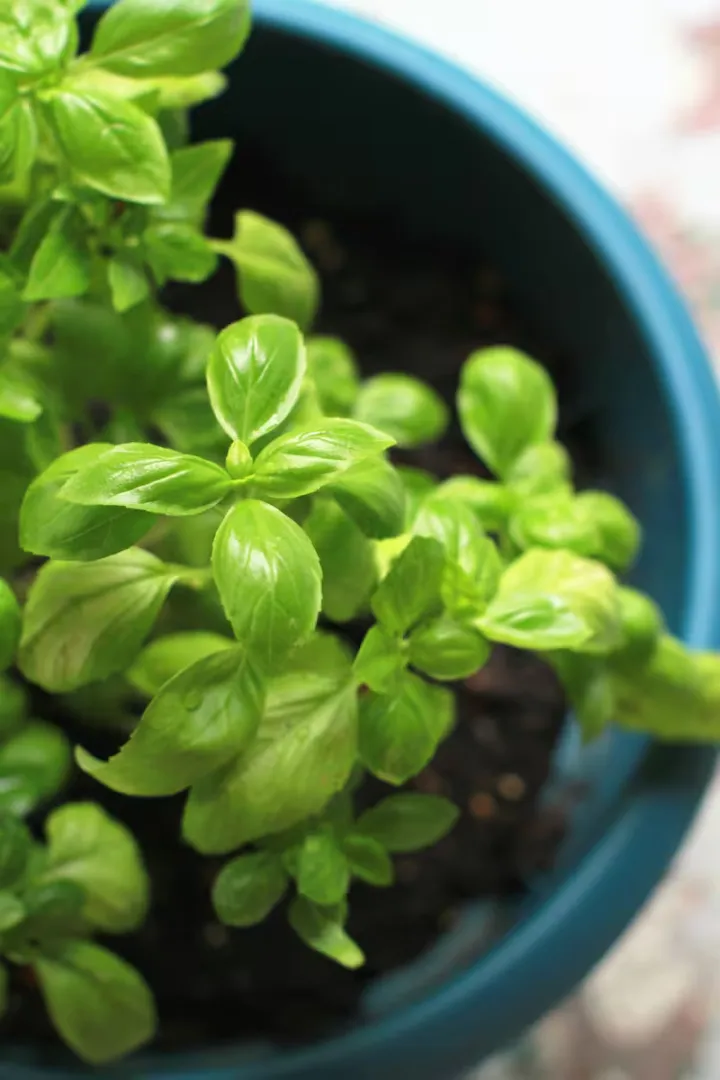
Basil
Basil is a fragrant, tender herb whose leaves are a staple of summer cooking. Native to tropical regions, basil is treated as an annual in temperate climates like the UK because it cannot tolerate frost. It thrives in warm, sunny conditions and can be grown in garden beds or pots for a steady supply of fresh, flavourful leaves throughout the summer.
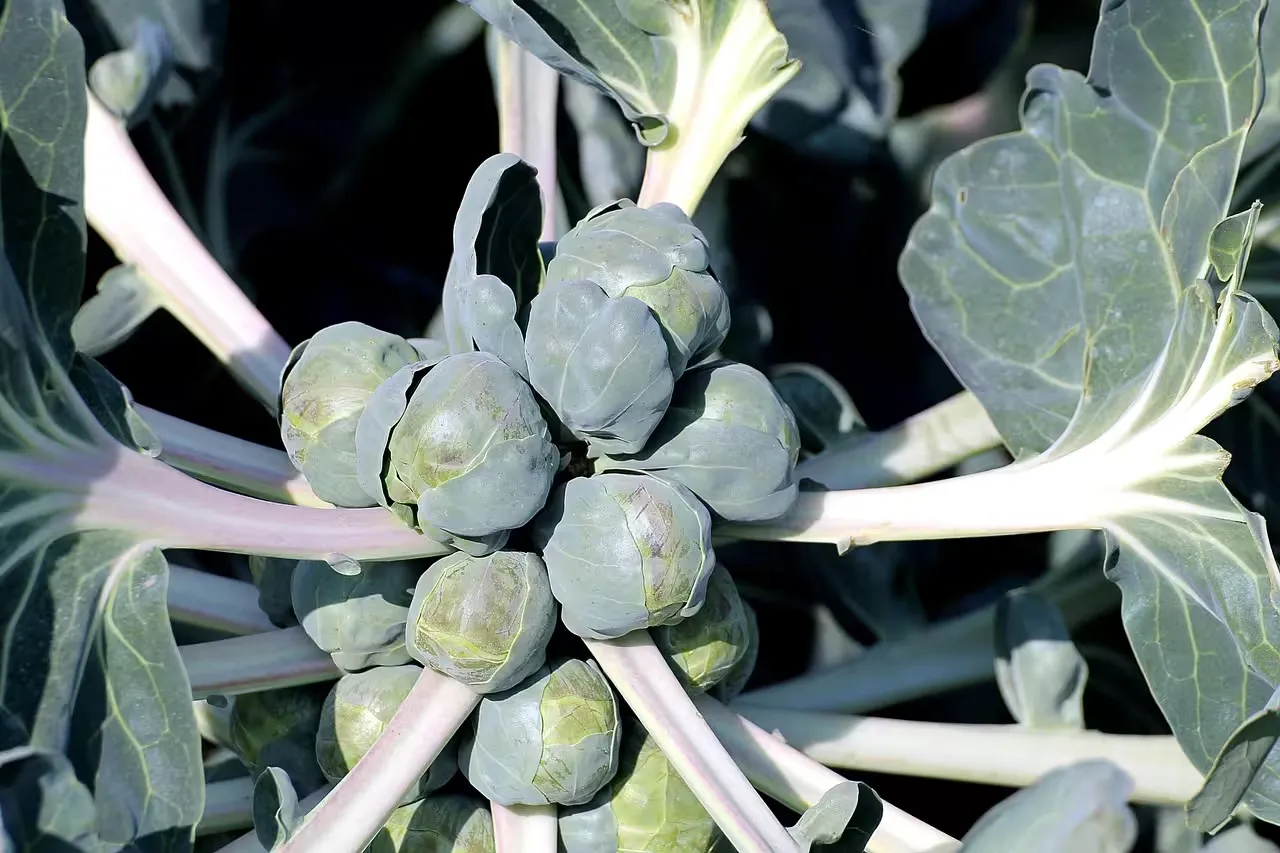
Brussels Sprouts
Brussels sprouts are a hardy winter brassica (cabbage family) that form sturdy, leafy stems often around 60–90cm tall. They produce edible mini-cabbage buds along the stem from autumn through winter. Thanks to their cold tolerance, sprouts remain productive into late winter, and frost actually improves their sweetness.
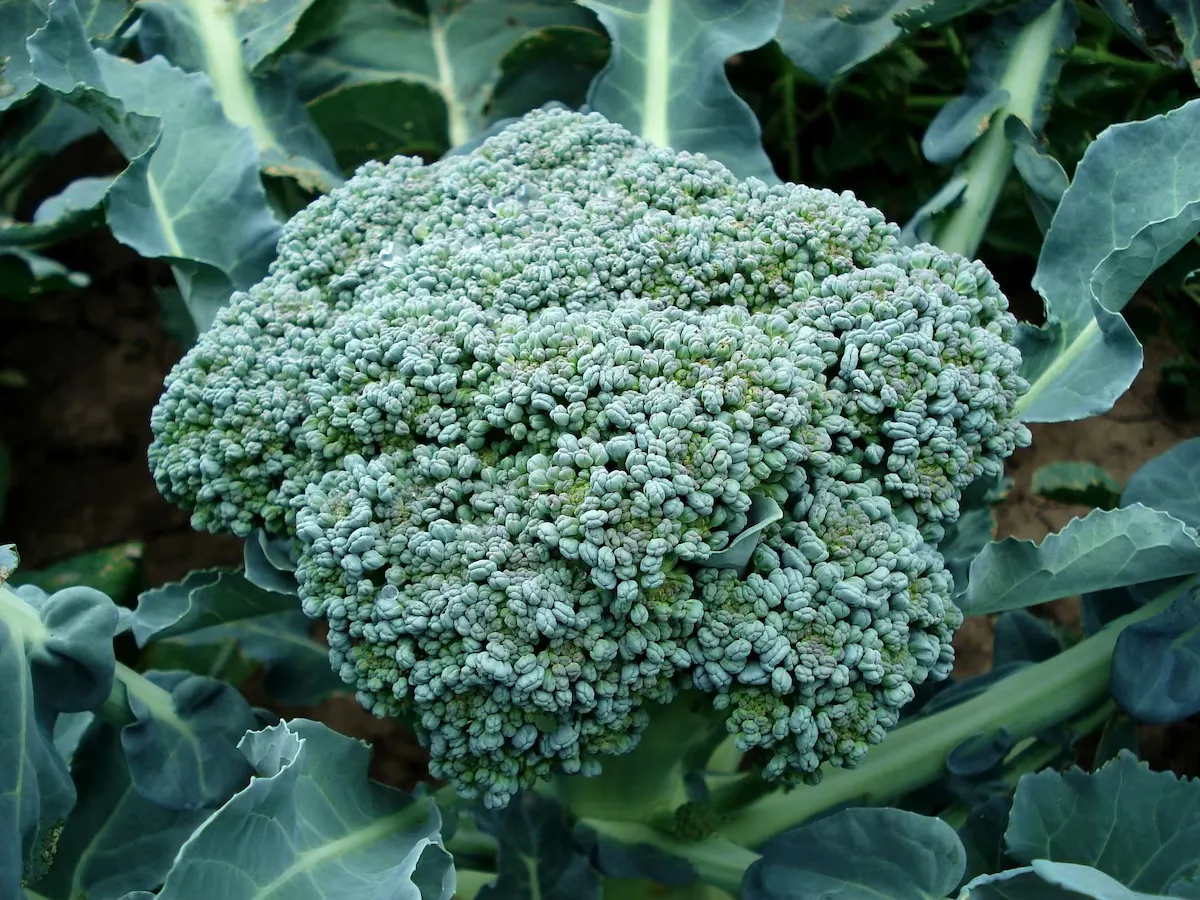
Calabrese
Calabrese (broccoli) produces a large central head of tightly-packed green buds, followed by smaller side-shoots after the main head is cut. It’s a cool-season brassica crop. Grow it in full sun with fertile, well-drained soil and keep plants watered during dry spells. Harvest the heads while firm, then leave the stem in the ground to allow side-shoots to develop.