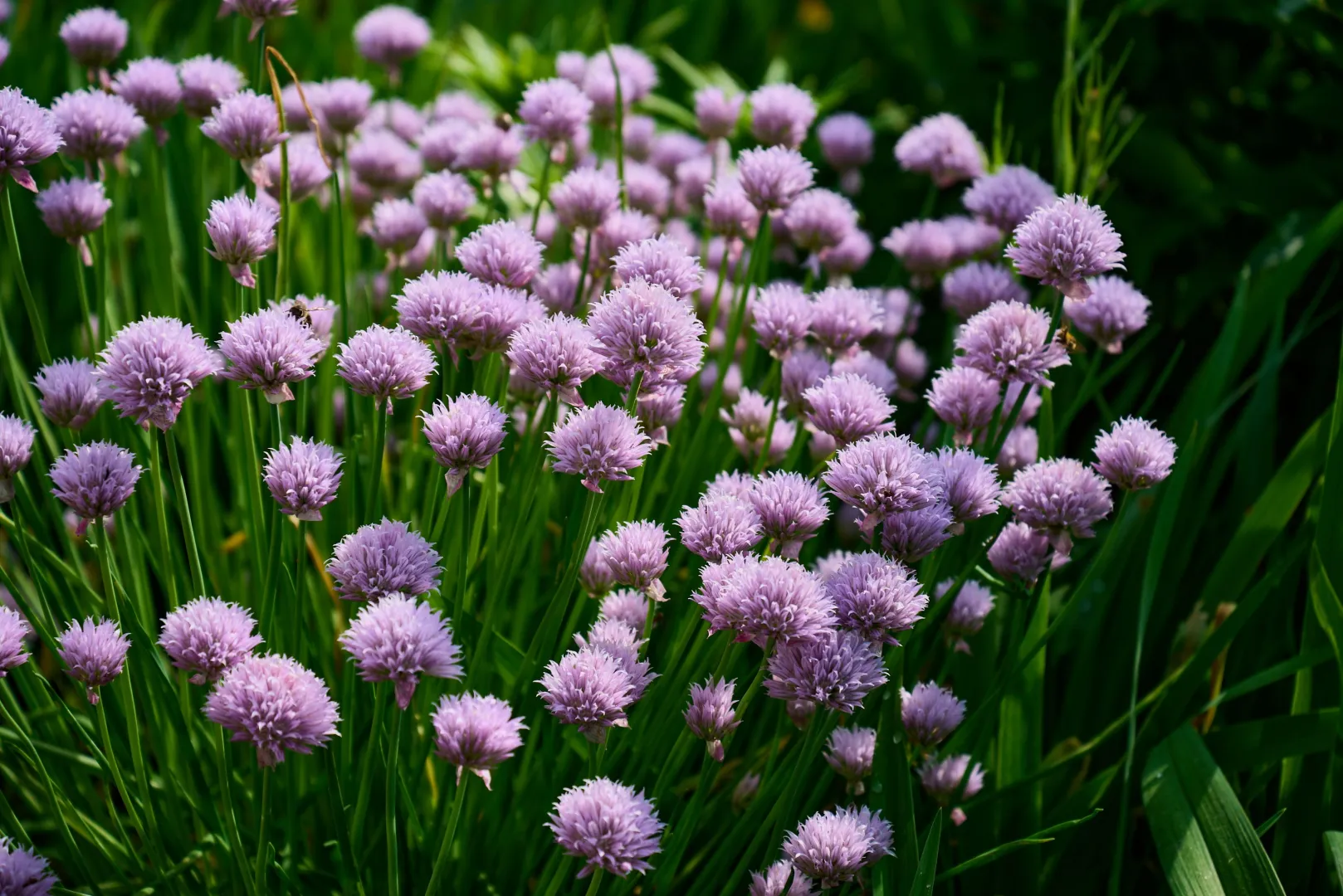
Chives in Barr's Cottage
Allium schoenoprasum
A hardy perennial herb for pots or the open ground. It grows best in moist but free-draining soil in sun or light shade, and regular cutting keeps the clumps productive.
Growing Guide
Step-by-step instructions for growing Chives
Planting Calendar
Sow Seeds
7 Mar – 28 MarSow seeds thinly on the surface of moist seed compost from 7th March to 28th March. Cover very lightly with fine compost, then keep the tray in bright light at until germination.
Prick Out Seedlings
7 Apr – 21 AprWhen seedlings are large enough to handle, from 7th April to 21st April, prick them out into small pots. Keep the roots undisturbed as much as you can and water them in gently.
Plant Out
2 May – 19 MayHarden plants off first, then set them in their final position from 2nd May to 19th May. Space them apart, water in thoroughly straight away, and keep newly planted clumps watered while they settle.
Trim and Harvest Regularly
2 Jun – 29 Septevery 2 weeksFrom 2nd June to 29th September, snip leaves often to keep plants leafy and stop them throwing up flowers too early. Cut just above the base of the leaves, and remove any flower stalks as they appear.
Feed and Water
24 May – 29 Septevery 2 weeksFrom 24th May to 29th September, water whenever the compost starts to dry and give a light liquid feed now and then if plants are in pots. Keep the soil evenly moist, not soggy, for steady leaf growth.
Companion Plants
Tap a plant to see why it works (or doesn't) with Chives.
Good companions
Plants to avoid
Why companion planting matters
Companion planting can deter pests, improve pollination, and make better use of space. Some plants confuse pests or attract beneficial insects; others improve soil or offer shade to neighbours that need it.
Suggested Varieties
Popular varieties of Chives to consider
Fine Leaved
A neat, small-leaved form with a mild flavour and tidy growth for pots or edging.
Grolau
A strong, productive chive with large leaves and good regrowth after cutting.
Staro
A reliable, broad-leaved type that stands up well to repeated trimming.
Related Plants
Explore similar plants you might like
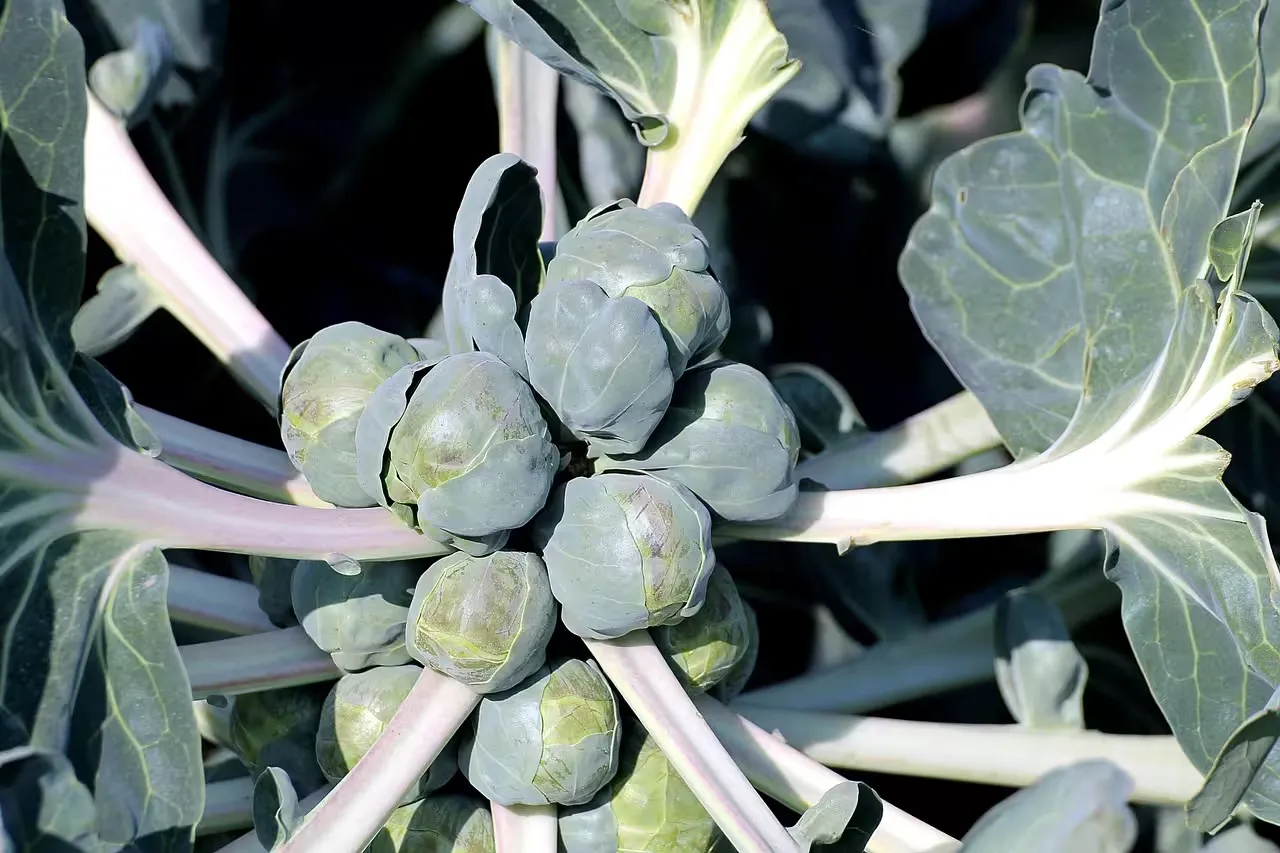
Brussels Sprouts
Brussels sprouts are a hardy winter brassica (cabbage family) that form sturdy, leafy stems often around 60–90cm tall. They produce edible mini-cabbage buds along the stem from autumn through winter. Thanks to their cold tolerance, sprouts remain productive into late winter, and frost actually improves their sweetness.
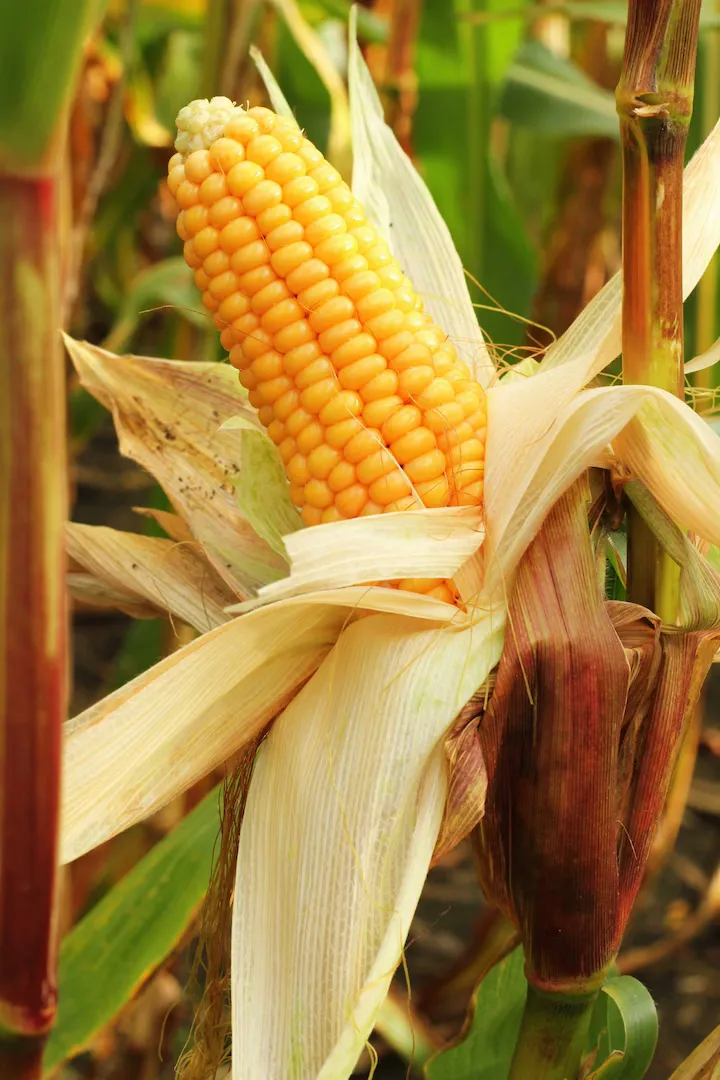
Sweetcorn
Sweetcorn is a tall annual plant grown for its sweet, juicy cobs. It thrives in warm, sunny conditions and must be planted after the last frost. Plants are wind-pollinated, so for best results grow them in blocks rather than single rows, ensuring well-filled cobs. With good care and warm weather, sweetcorn will reward you with delicious fresh corn-on-the-cob in late summer.
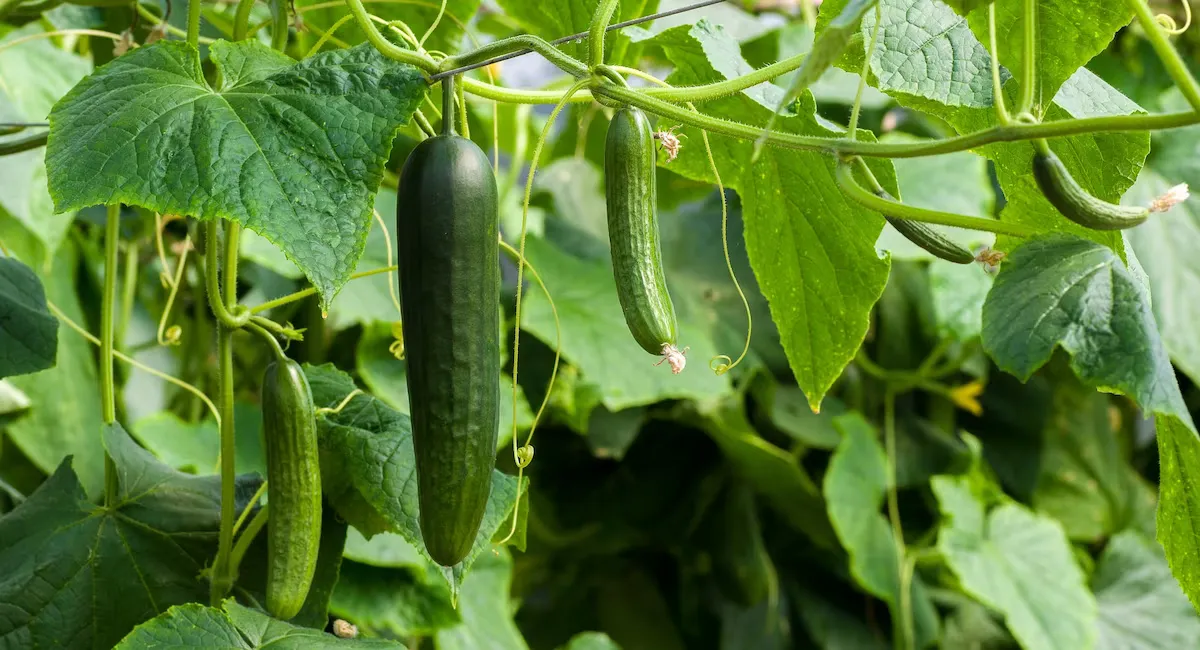
Cucumber
A tender climbing vine grown for its crisp fruits, requiring warm conditions and consistent moisture. In the UK, greenhouse varieties yield earlier and longer, while outdoor ridge types are hardier but need a warm summer.