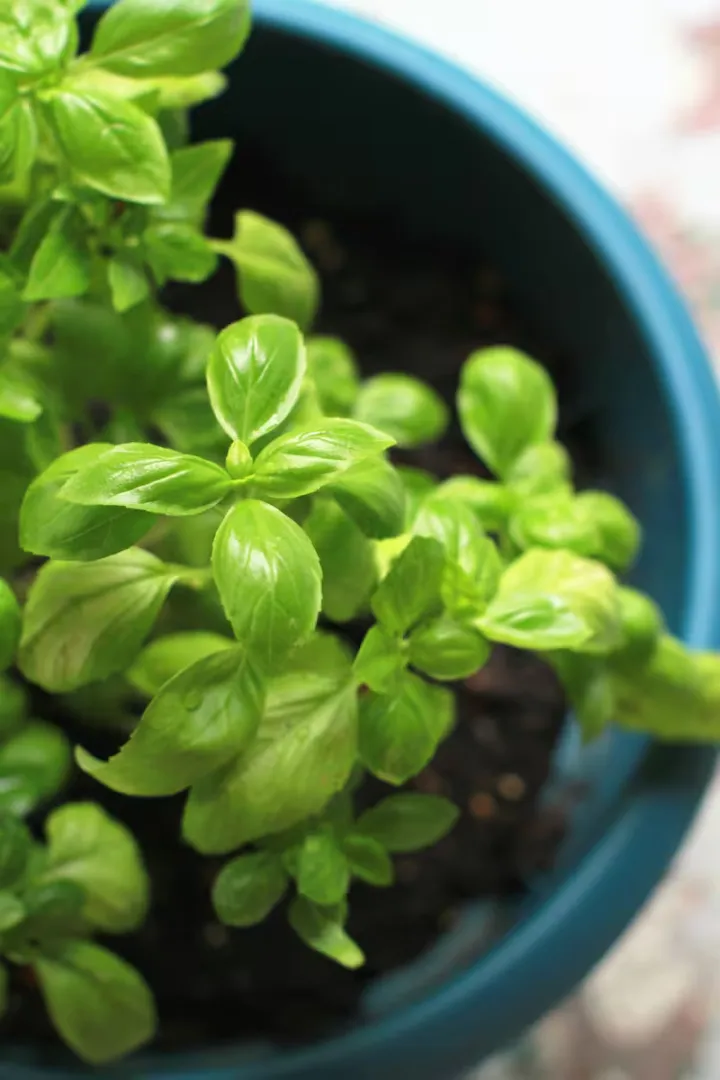
Basils in Barrow
Ocimum basilicum
Basil is a fragrant, tender herb whose leaves are a staple of summer cooking. Native to tropical regions, basil is treated as an annual in temperate climates like the UK because it cannot tolerate frost. It thrives in warm, sunny conditions and can be grown in garden beds or pots for a steady supply of fresh, flavourful leaves throughout the summer.
Growing Guide
Step-by-step instructions for growing Basil
Planting Calendar
Growing Guide for
Change the guide to see different planting timelines and tips.
Step-by-step guide to growing basil by starting seeds indoors and transplanting outside after the last frost.
Sow Seeds Indoors
26 Feb – 12 MarSow basil seeds thinly on the surface of moist seed compost in trays or pots. Cover lightly with vermiculite or a fine layer of compost, as they need some light to germinate. Keep at in a bright spot. Germination takes 7-14 days. Do this 26th February - 12th March.
Prick Out Seedlings
26 Mar – 2 AprOnce seedlings have their first true leaves, prick them out into individual pots filled with multi-purpose compost. Handle gently by the leaves to avoid stem damage. Keep in a warm, bright location. This step occurs around 26th March - 2nd April.
Pot On Seedlings
9 Apr – 16 AprWhen roots fill the small pots, pot on into larger containers (e.g., pots) to encourage strong growth before transplanting outdoors. Use a well-draining compost mix. This is done 9th April - 16th April.
Harden Off Plants
16 Apr – 23 AprGradually acclimate plants to outdoor conditions over 7-10 days before transplanting. Start by placing them outside in a sheltered spot for a few hours each day, increasing exposure. Protect from strong winds and cold nights. Harden off 16th April - 23rd April.
Transplant Outdoors
23 Apr – 7 MayPlant basil outdoors in a sunny, sheltered spot with well-drained soil after all risk of frost has passed. Space plants apart. Water in well and consider using cloches or fleece if nights are cool. Transplant 23rd April - 7th May.
Water and Feed Plants
14 May – 3 Octevery 2 weeksWater basil regularly to keep the soil consistently moist but not waterlogged. Feed every 2-3 weeks with a balanced liquid fertiliser to support leafy growth. Start feeding from 14th May and continue until 3rd October.
Pinch Out and Prune
21 May – 3 OctRegularly pinch out the growing tips and any flower buds to encourage bushy growth and prevent bolting. Harvest leaves from the top down, taking no more than one-third of the plant at a time. Do this from 21st May onwards.
Harvest Leaves
14 Jun – 3 OctHarvest basil leaves regularly once plants are well-established. Pick in the morning for the best flavour, using scissors or pinching off stems above a leaf pair. Harvest from 14th June until 3rd October for continuous supply.
Companion Plants
Tap a plant to see why it works (or doesn't) with Basil.
Good companions
Plants to avoid
Why companion planting matters
Companion planting can deter pests, improve pollination, and make better use of space. Some plants confuse pests or attract beneficial insects; others improve soil or offer shade to neighbours that need it.
Suggested Varieties
Popular varieties of Basil to consider
Sweet Basil
The classic variety with large, aromatic green leaves, ideal for pesto and Italian dishes.
Greek Basil
A compact, bushy variety with small leaves, perfect for container growing and slower to bolt.
Purple Basil
Adds colour to the garden with deep purple leaves and a slightly stronger flavour, great for garnishes.
Related Plants
Explore similar plants you might like
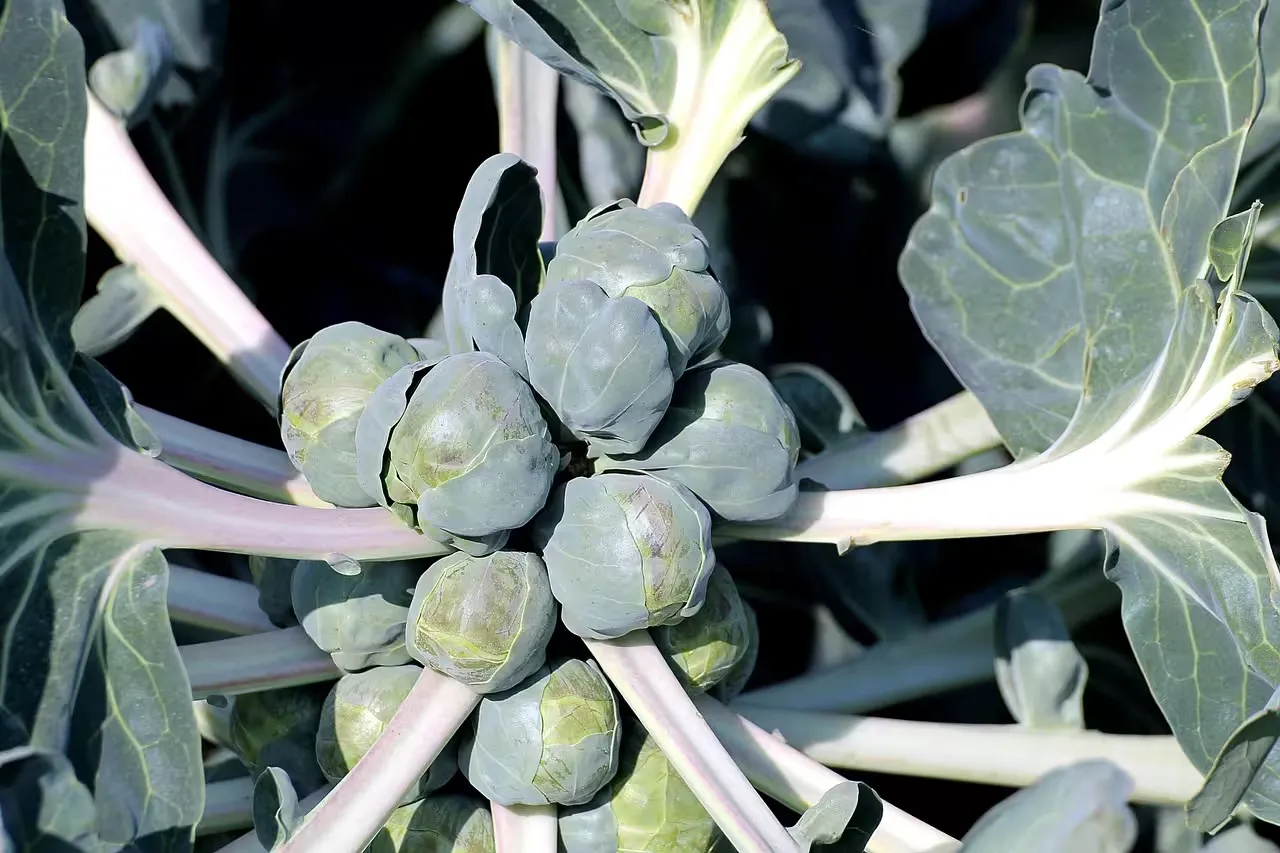
Brussels Sprouts
Brussels sprouts are a hardy winter brassica (cabbage family) that form sturdy, leafy stems often around 60–90cm tall. They produce edible mini-cabbage buds along the stem from autumn through winter. Thanks to their cold tolerance, sprouts remain productive into late winter, and frost actually improves their sweetness.
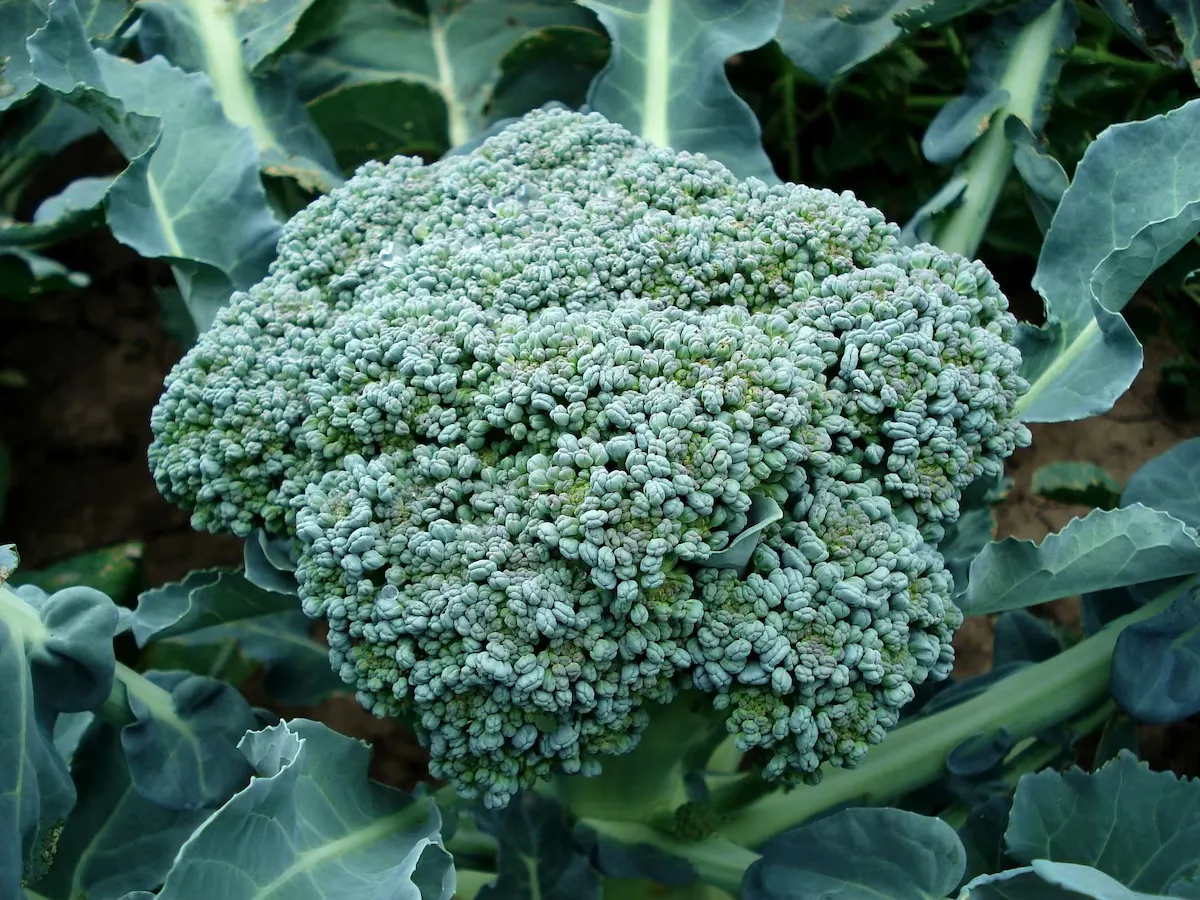
Calabrese
Calabrese (broccoli) produces a large central head of tightly-packed green buds, followed by smaller side-shoots after the main head is cut. It’s a cool-season brassica crop. Grow it in full sun with fertile, well-drained soil and keep plants watered during dry spells. Harvest the heads while firm, then leave the stem in the ground to allow side-shoots to develop.
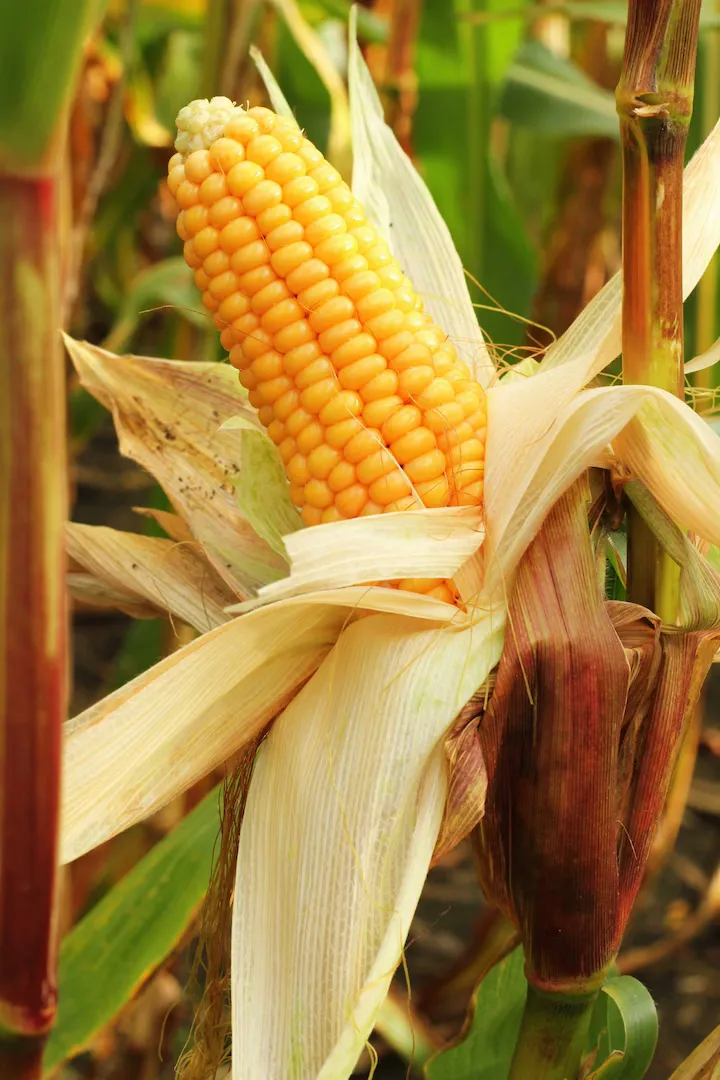
Sweetcorn
Sweetcorn is a tall annual plant grown for its sweet, juicy cobs. It thrives in warm, sunny conditions and must be planted after the last frost. Plants are wind-pollinated, so for best results grow them in blocks rather than single rows, ensuring well-filled cobs. With good care and warm weather, sweetcorn will reward you with delicious fresh corn-on-the-cob in late summer.