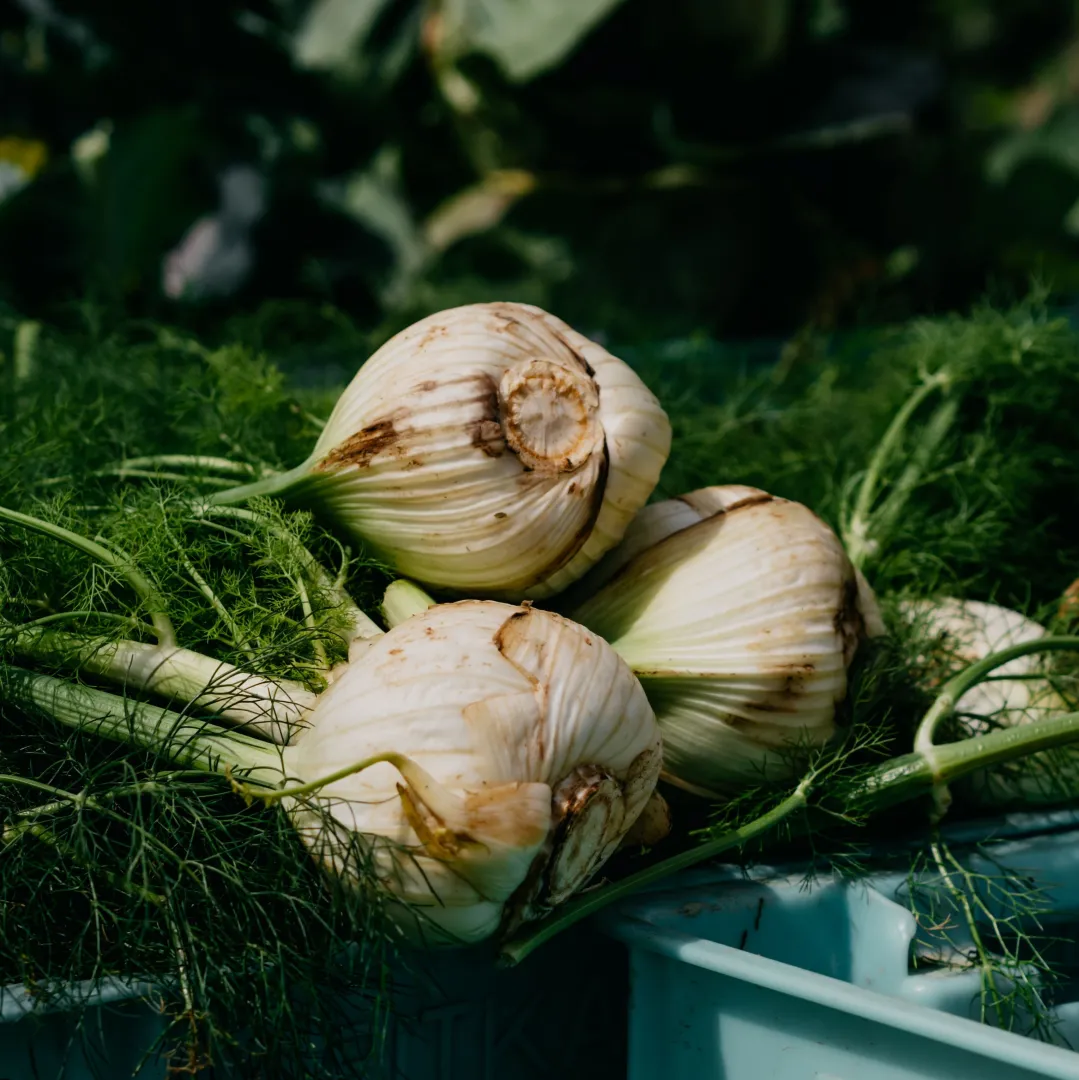
Fennels in Barrow Island
Foeniculum vulgare
Fennel is a hardy herb grown for its feathery foliage and aniseed-flavoured seeds, and sometimes for crisp bulbs in specialist varieties. In UK gardens it does best in full sun, in fertile, free-draining soil, and it dislikes being moved once established.
Growing Guide
Step-by-step instructions for growing Fennel
Planting Calendar
Sow Seeds
11 Mar – 9 Mayevery 3 weeksSow seeds thinly around 11th March - 9th May on the surface of fine seed compost, then cover with a light dusting at most. Keep the compost just moist while they germinate, and sow a fresh batch every 21 days if you want a longer picking period.
Thin Seedlings
23 Apr – 7 MayWhen seedlings are large enough to handle, thin them so each plant has room to make a strong root. Keep the best seedlings and remove the rest cleanly to avoid crowding from 23rd April to 7th May.
Plant Out
8 Apr – 25 MayMove seedlings to their final position once the roots have filled the modules, then water in thoroughly straight away. Space them apart in full sun and free-draining soil, and use a cloche or fleece if cold weather returns around 8th April - 25th May.
Water and Pinch Out
1 May – 3 DecKeep plants evenly moist from 1st May to 3rd December, especially in dry spells, but do not leave the soil soggy. Pinch out the growing tips regularly so the plants stay bushy and are less likely to bolt.
Harvest Foliage and Seed
2 Jul – 3 DecPick young leaves from 2nd July and keep cutting little and often to encourage more growth. Let some plants flower if you want seed, then collect the ripe heads from 2nd July to 3rd December once they turn brown and dry.
Companion Plants
Tap a plant to see why it works (or doesn't) with Fennel.
Plants to avoid
Why companion planting matters
Companion planting can deter pests, improve pollination, and make better use of space. Some plants confuse pests or attract beneficial insects; others improve soil or offer shade to neighbours that need it.
Suggested Varieties
Popular varieties of Fennel to consider
Purpureum
A bronze-leaved fennel grown for foliage colour and ornamental value as well as flavour.
Giant Bronze
A tall, bronze selection with feathery leaves and good garden presence.
Sweet Fennel
A reliable green fennel type grown for leaves and seed in the herb garden.
Related Plants
Explore similar plants you might like
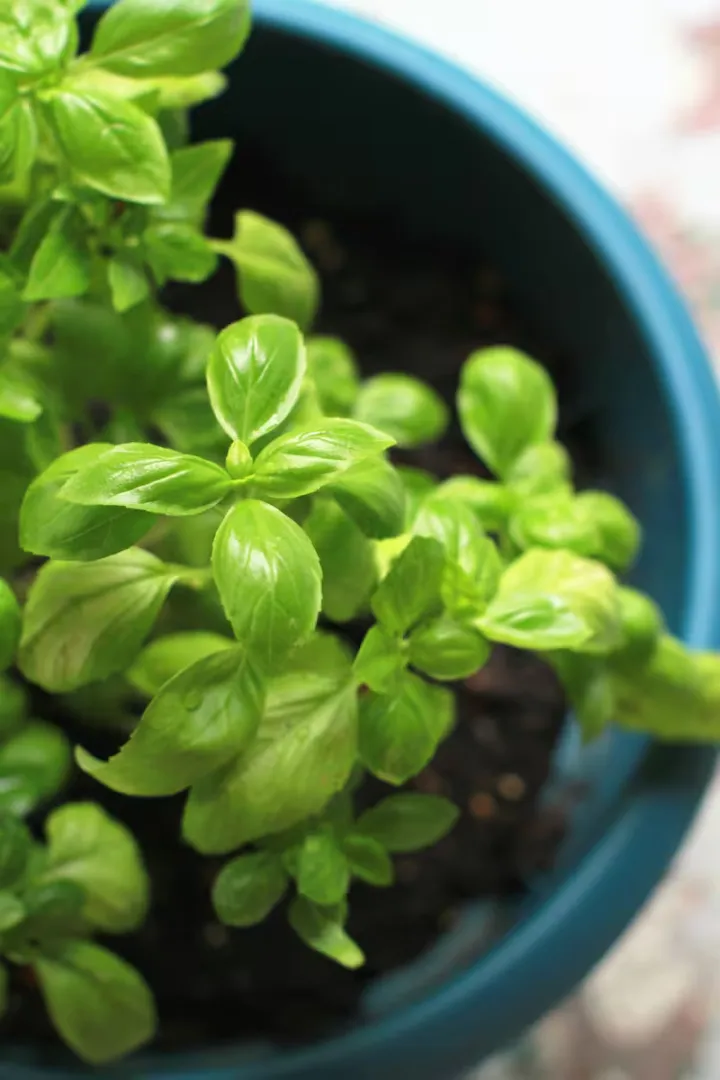
Basil
Basil is a fragrant, tender herb whose leaves are a staple of summer cooking. Native to tropical regions, basil is treated as an annual in temperate climates like the UK because it cannot tolerate frost. It thrives in warm, sunny conditions and can be grown in garden beds or pots for a steady supply of fresh, flavourful leaves throughout the summer.
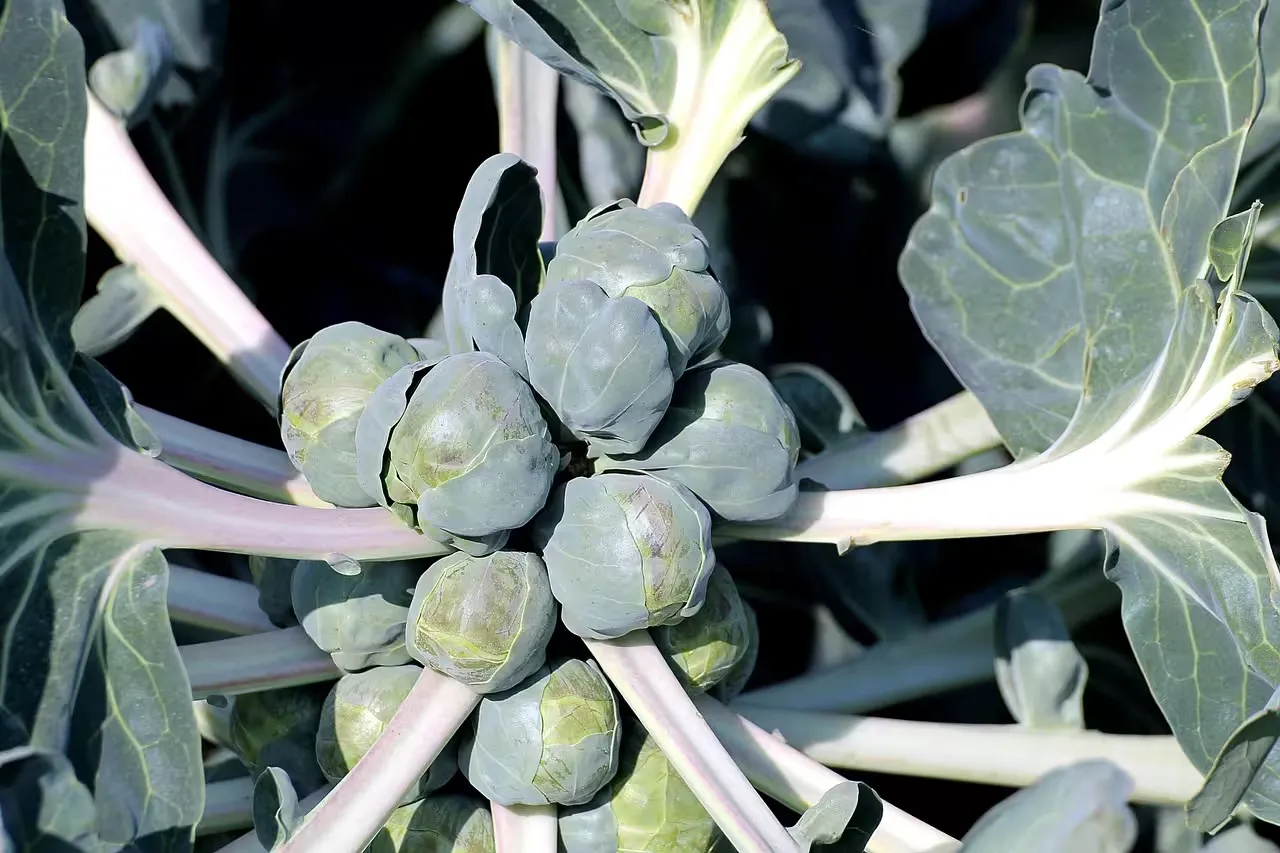
Brussels Sprouts
Brussels sprouts are a hardy winter brassica (cabbage family) that form sturdy, leafy stems often around 60–90cm tall. They produce edible mini-cabbage buds along the stem from autumn through winter. Thanks to their cold tolerance, sprouts remain productive into late winter, and frost actually improves their sweetness.
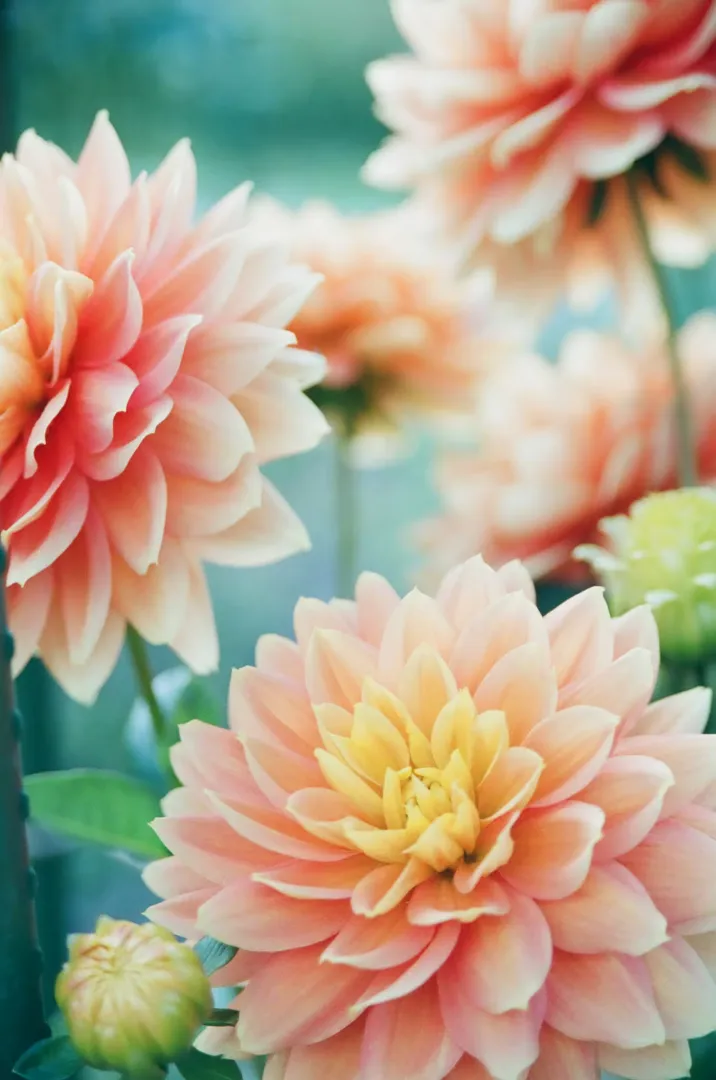
Dahlia
Show-stopping tuberous perennials that provide a spectacular display of colour from mid-summer right up until the first frosts. Ranging from enormous 'dinner plate' blooms to intricate pompoms and open-centred varieties that bees adore, they are a staple of the late summer UK garden.