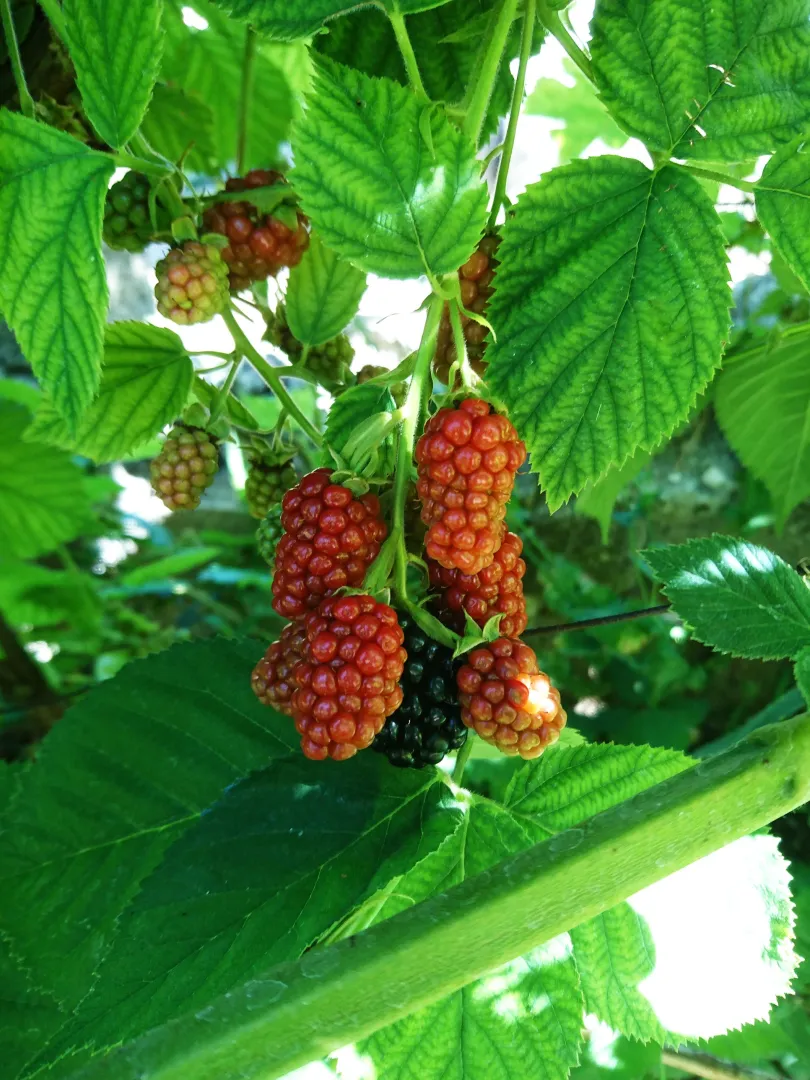
Tayberries in Barrmill
Rubus fruticosus x idaeus
A vigorous hybrid bramble that grows well in a sunny, sheltered UK garden. Plant bare-root canes in dormancy, train them on wires or a stout fence, and expect the main crop on second-year canes.
Growing Guide
Step-by-step instructions for growing Tayberry
Planting Calendar
Plant Bare-root Canes
19 Oct – 26 FebPlant bare-root canes during 19th October - 26th February in well-dug soil with plenty of compost worked in. Set the crown at the same depth it was growing before, firm it in, and water in thoroughly straight away. If you have a container-grown plant, you can plant it at a suitable time outside this window, then water it in well.
Water to Establish
23 Dec – 21 JunFrom 23rd December, keep the soil evenly moist through the first growing season, especially in dry spells. Water at the base rather than over the canes, and keep the area free of weeds so the roots can establish properly.
Mulch and Feed
17 Feb – 19 Marevery 365 daysFrom 17th February, spread a thick mulch of garden compost or well-rotted manure around the plants, leaving a little space around the crown. Repeat each year to keep moisture in and support fruiting.
Fit Bird Netting
18 May – 2 JunFrom 18th May, put up bird netting before the fruit starts to colour. Check it is pulled tight and fixed securely, so birds do not get under it.
Pick Ripe Fruit
12 Jun – 17 JulHarvest from 12th June to 17th July once the fruit is deep coloured and comes away with a gentle pull. Pick every couple of days in Barrmill to keep the canes productive and reduce losses to birds and soft fruit rot.
Prune Fruited Canes
31 Jul – 30 AugAfter harvest, from 31st July, cut out the canes that have fruited and tie in the new canes to their supports. Keep the centre open so air can move through the plant and the next season’s growth gets light.
Companion Plants
Tap a plant to see why it works (or doesn't) with Tayberry.
Good companions
Plants to avoid
Why companion planting matters
Companion planting can deter pests, improve pollination, and make better use of space. Some plants confuse pests or attract beneficial insects; others improve soil or offer shade to neighbours that need it.
Suggested Varieties
Popular varieties of Tayberry to consider
Buckingham Tayberry
A thornless selection with good-sized, sweet-tart fruit and easier picking.
Tayberry Medana
A traditional, vigorous tayberry with reliable crops on strong canes.
Related Plants
Explore similar plants you might like
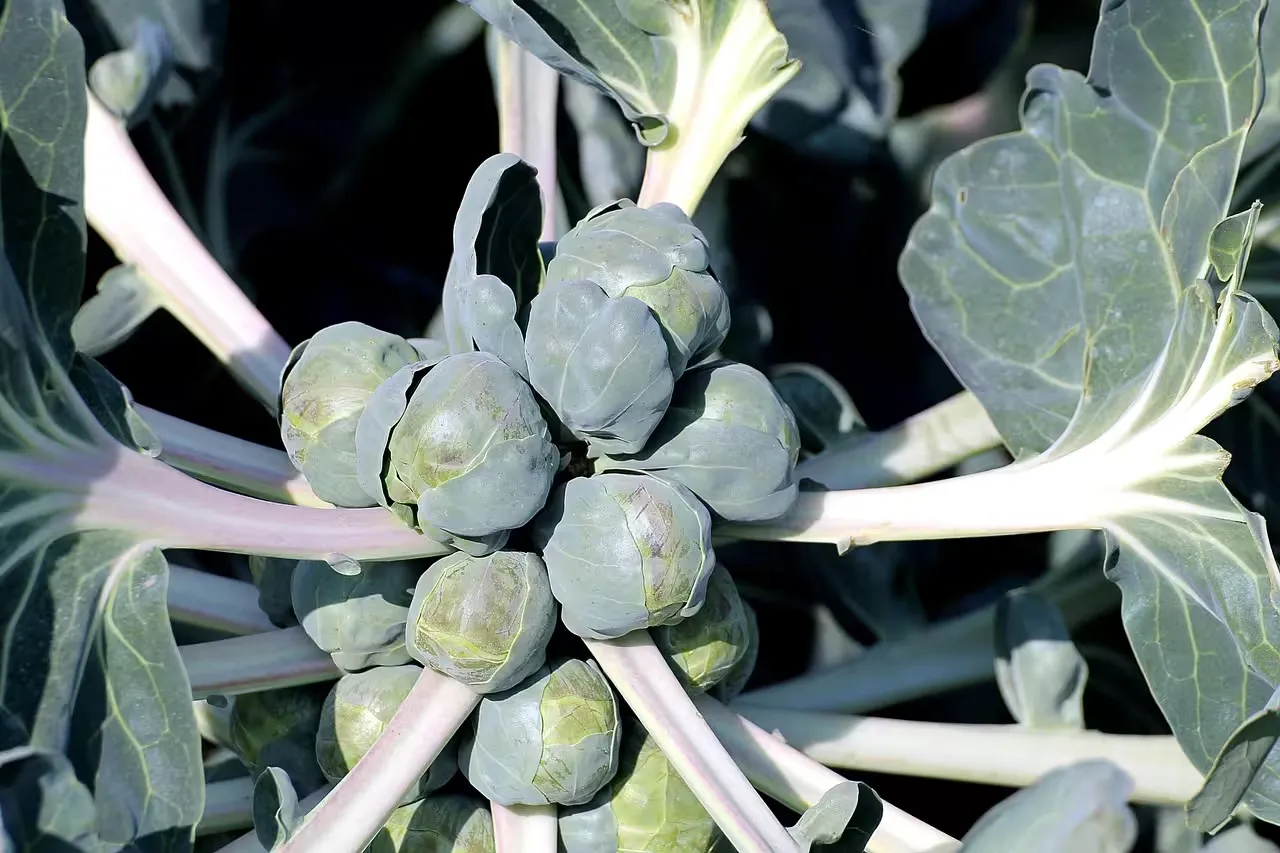
Brussels Sprouts
Brussels sprouts are a hardy winter brassica (cabbage family) that form sturdy, leafy stems often around 60–90cm tall. They produce edible mini-cabbage buds along the stem from autumn through winter. Thanks to their cold tolerance, sprouts remain productive into late winter, and frost actually improves their sweetness.
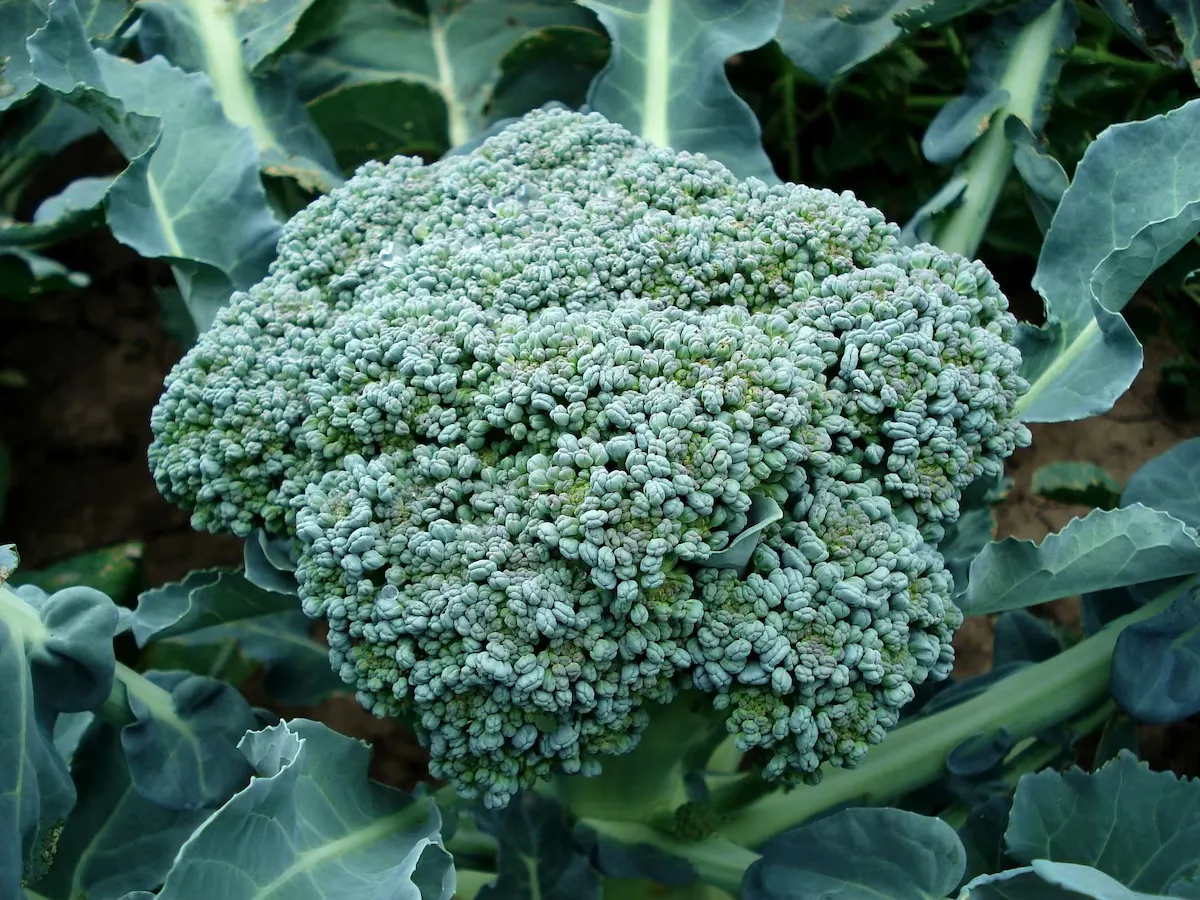
Calabrese
Calabrese (broccoli) produces a large central head of tightly-packed green buds, followed by smaller side-shoots after the main head is cut. It’s a cool-season brassica crop. Grow it in full sun with fertile, well-drained soil and keep plants watered during dry spells. Harvest the heads while firm, then leave the stem in the ground to allow side-shoots to develop.
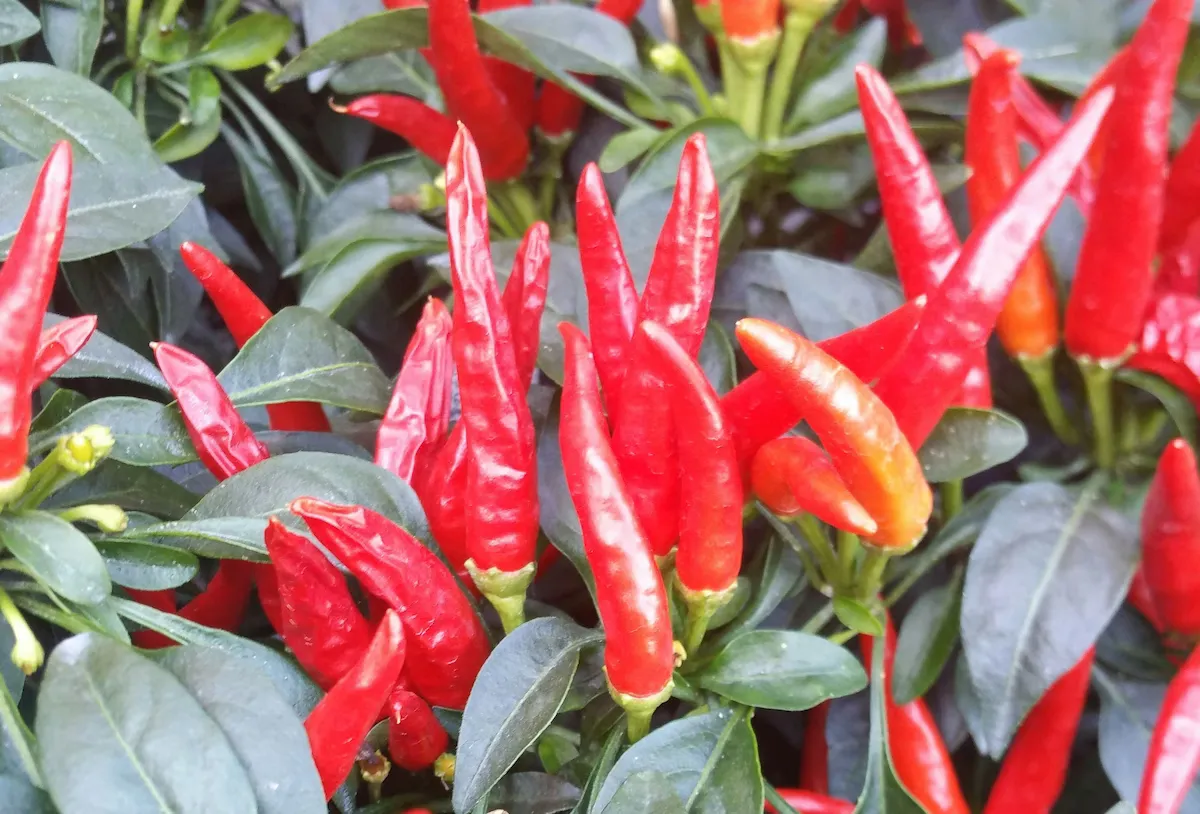
Chilli Pepper
Chilli peppers are tender perennials grown as annuals in the UK, requiring a long, warm season. They thrive in a greenhouse or a sunny, sheltered outdoor spot, producing fruits that range from mild to intensely hot depending on variety and growing conditions.