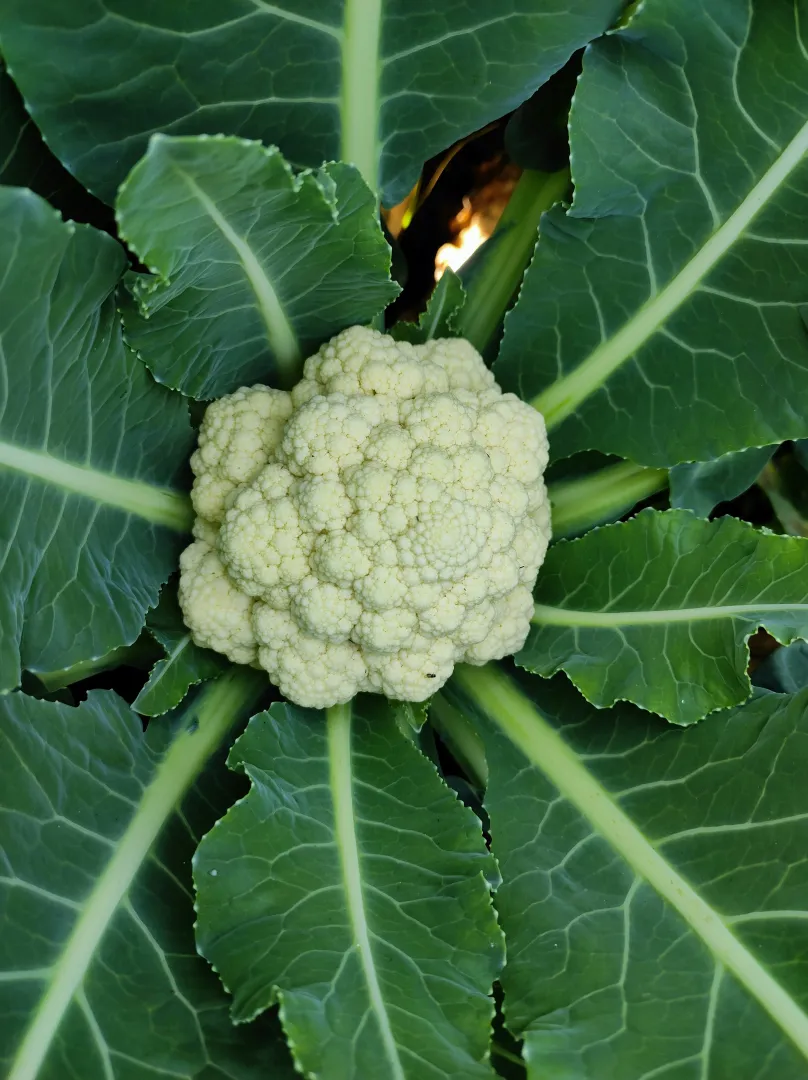
Cauliflowers in Barri
Brassica oleracea var. botrytis
A brassica grown for its tight white curds. In the UK it needs steady growth, firm soil, and protection from pigeons and cabbage white butterflies. Keep it well watered in dry spells or the curds can stay small or go loose.
Growing Guide
Step-by-step instructions for growing Cauliflower
Planting Calendar
Sow Seeds Indoors
13 Feb – 28 FebSow seeds in modules around 13th February - 28th February, about deep. Keep them cool and evenly moist, then prick out the strongest seedlings once they have a couple of true leaves.
Transplant and Firm In
13 Apr – 27 AprPlant out around 13th April - 27th April, when seedlings are sturdy and easy to handle. Set them at final spacing, water in well, and firm the soil hard around each plant so it will not rock in the wind.
Protect Plants
20 Apr – 27 AprFrom 20th April, fit fine netting over the crop and keep the edges well sealed to block pigeons and cabbage white butterflies. Add brassica collars at the stem base soon after planting to reduce cabbage root fly damage.
Feed Regularly
20 Apr – 15 Decevery 4 weeksStart feeding from 20th April and keep going until 15th December. Use a nitrogen-rich feed every 28 days, and keep the soil moist so the plants grow on steadily rather than checking.
Harvest Curds
19 Jun – 15 DecCut curds from 19th June - 15th December while they are still tight and before the flower heads loosen. Harvest with a clean knife, and pick promptly once the curd reaches a good size because warm spells can push plants into flower quickly.
Companion Plants
Tap a plant to see why it works (or doesn't) with Cauliflower.
Good companions
Plants to avoid
Why companion planting matters
Companion planting can deter pests, improve pollination, and make better use of space. Some plants confuse pests or attract beneficial insects; others improve soil or offer shade to neighbours that need it.
Suggested Varieties
Popular varieties of Cauliflower to consider
All The Year Round
A reliable open-pollinated type for general use and succession sowing.
Igloo
A neat white variety that can be grown for a dependable summer crop.
Autumn Giant
Suited to later sowing for a larger curd in cooler weather.
Snowball
A classic early type for smaller, quick-maturing curds.
Related Plants
Explore similar plants you might like

Chilli Pepper
Chilli peppers are tender perennials grown as annuals in the UK, requiring a long, warm season. They thrive in a greenhouse or a sunny, sheltered outdoor spot, producing fruits that range from mild to intensely hot depending on variety and growing conditions.
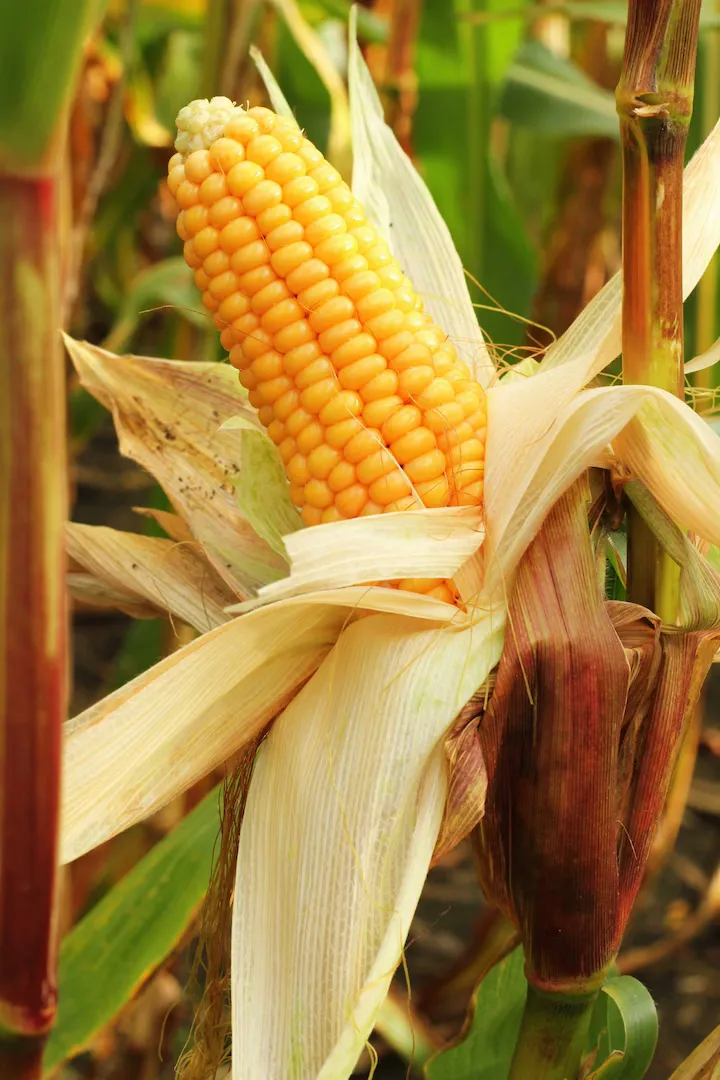
Sweetcorn
Sweetcorn is a tall annual plant grown for its sweet, juicy cobs. It thrives in warm, sunny conditions and must be planted after the last frost. Plants are wind-pollinated, so for best results grow them in blocks rather than single rows, ensuring well-filled cobs. With good care and warm weather, sweetcorn will reward you with delicious fresh corn-on-the-cob in late summer.
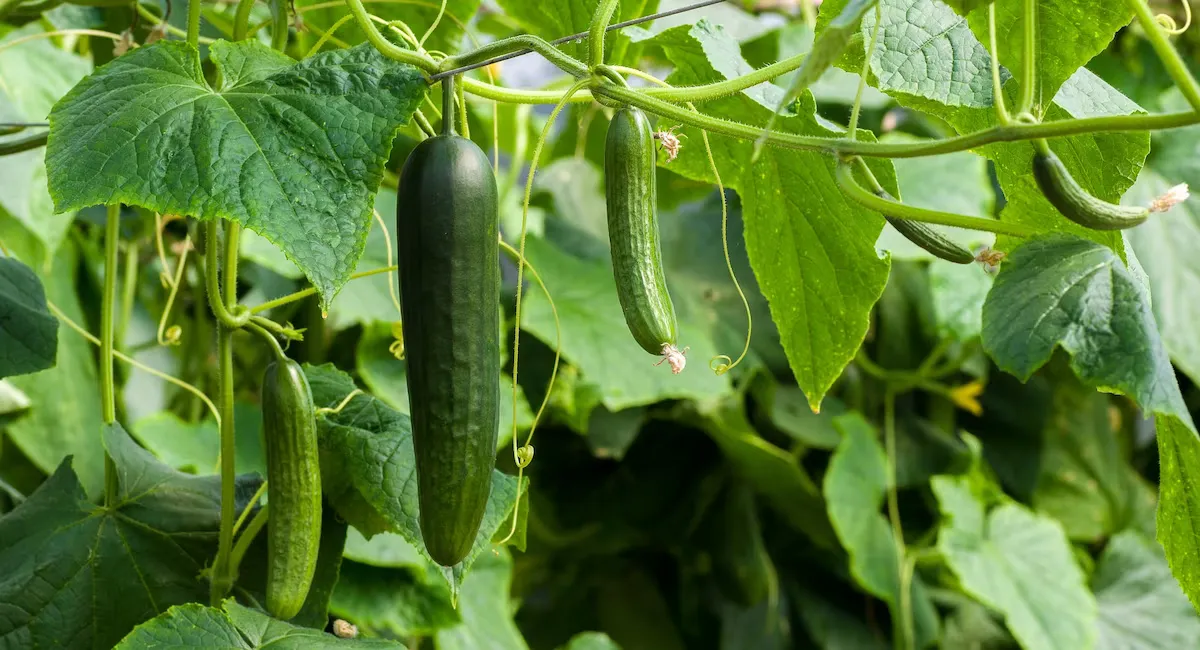
Cucumber
A tender climbing vine grown for its crisp fruits, requiring warm conditions and consistent moisture. In the UK, greenhouse varieties yield earlier and longer, while outdoor ridge types are hardier but need a warm summer.