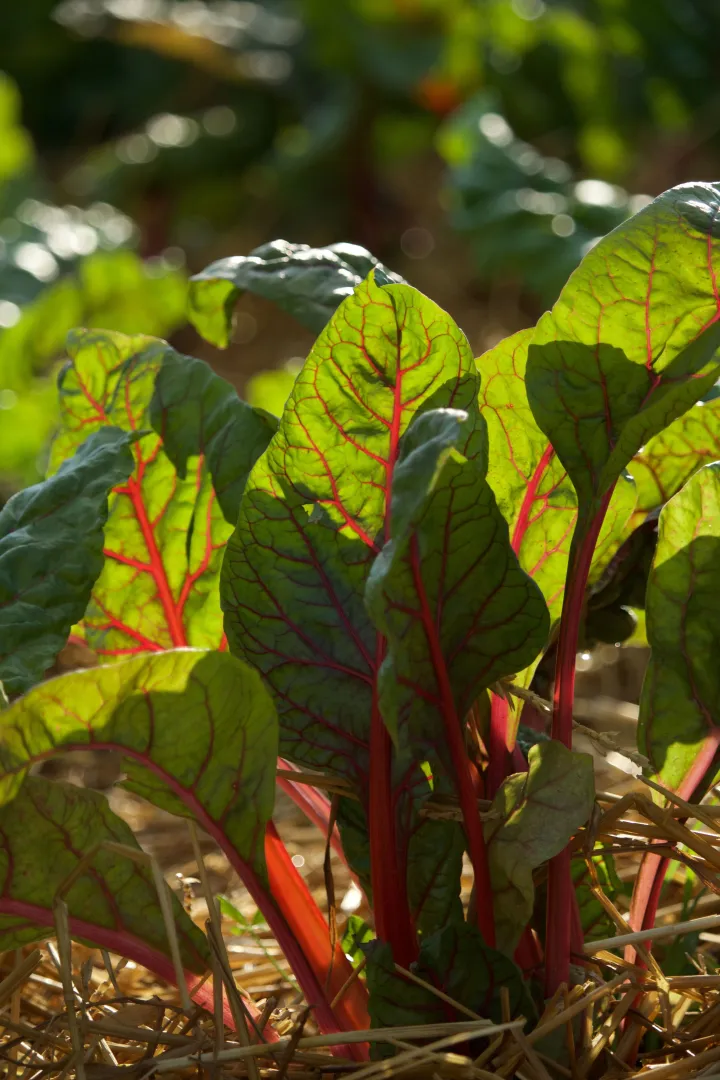
Swiss Chards in Barrelhill Green
Beta vulgaris subsp. cicla
Swiss chard is a hardy leaf crop that grows well in most UK gardens from spring through to the colder months. Sow in small batches for a long picking season, and harvest the outer leaves regularly to keep plants productive.
Growing Guide
Step-by-step instructions for growing Swiss Chard
Planting Calendar
Sow Seeds
19 Feb – 10 Julevery 3 weeksSow seeds around 19th February - 10th July in shallow drills at . Sow a fresh batch every 21 days for a long picking season, and thin the seedlings later rather than crowding the row.
Thin Seedlings
14 May – 28 MayOnce the seedlings have their first true leaves, thin them to the strongest plants at apart. Use the thinnings in the kitchen if they come away cleanly, and water the row after thinning to settle the roots.
Protect Young Plants
14 May – 11 JunFrom 14th May, check plants often for slugs and snails, especially in damp weather. Put down barriers, traps, or hand-pick at dusk, and keep the row clear of weeds and debris so young leaves are less exposed.
Water Regularly
21 May – 19 Febevery 2 weeksFrom 21st May to 19th February, water whenever the soil starts to dry at the surface. Keep moisture even, especially in warm spells, because dry checks can make plants run to seed and leaves turn tough.
Harvest Leaves
9 Jul – 21 Marevery weekStart cutting from 9th July once plants are well rooted and have enough leaf growth. Pick the outer leaves first and leave the centre growing, or cut the whole plant if you want a one-off harvest. Keep picking through to 21st March and the plants will keep producing new leaves.
Companion Plants
Tap a plant to see why it works (or doesn't) with Swiss Chard.
Good companions
Plants to avoid
Why companion planting matters
Companion planting can deter pests, improve pollination, and make better use of space. Some plants confuse pests or attract beneficial insects; others improve soil or offer shade to neighbours that need it.
Suggested Varieties
Popular varieties of Swiss Chard to consider
Bright Lights
A mixed-stem strain with stems in yellow, orange, pink and red. Good for regular picking and gives a bright crop in the veg plot.
Fordhook Giant
A reliable green-stemmed variety with broad leaves and thick stalks. Suits repeated cutting and stands well in cooler weather.
Lucullus
A long-standing green variety with crinkled leaves and pale stems. Often grown for its steady cropping and mild flavour.
Related Plants
Explore similar plants you might like
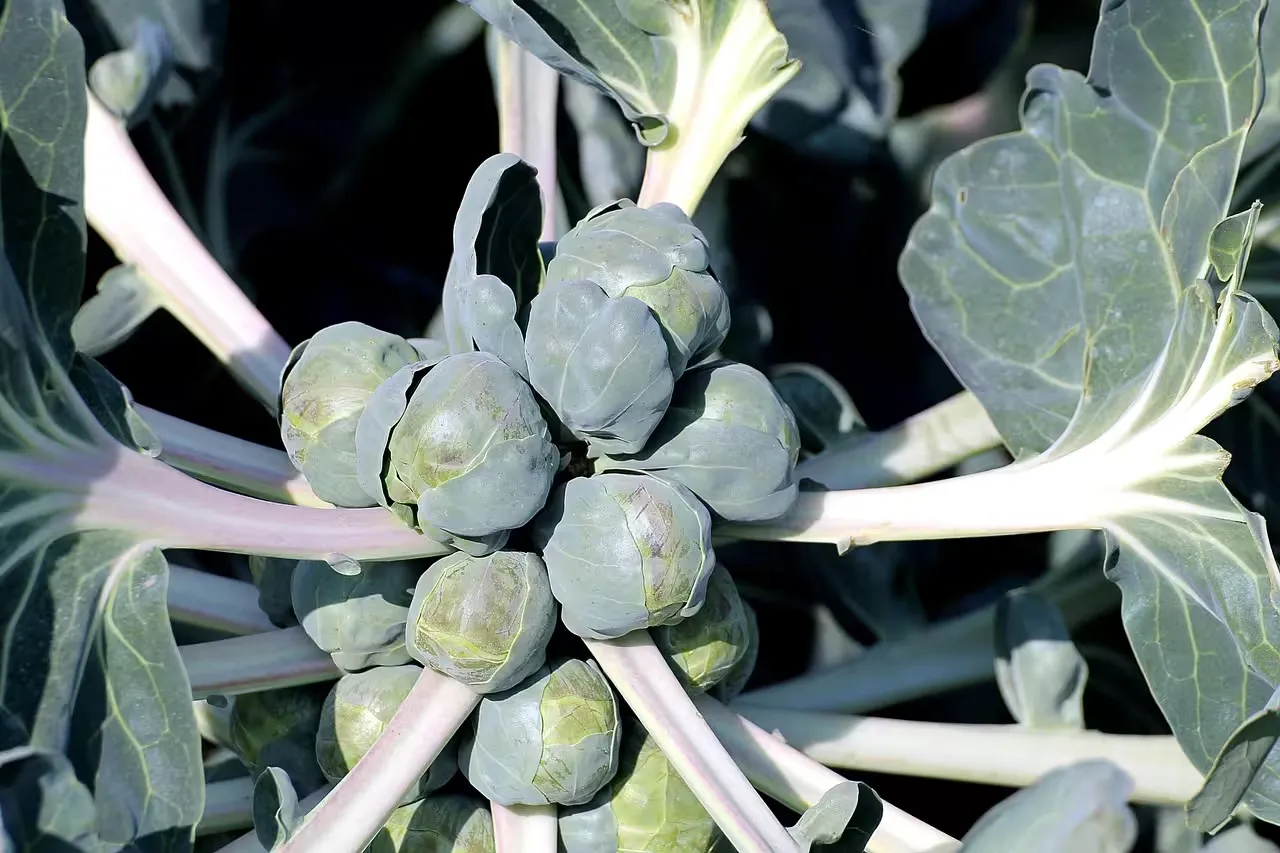
Brussels Sprouts
Brussels sprouts are a hardy winter brassica (cabbage family) that form sturdy, leafy stems often around 60–90cm tall. They produce edible mini-cabbage buds along the stem from autumn through winter. Thanks to their cold tolerance, sprouts remain productive into late winter, and frost actually improves their sweetness.
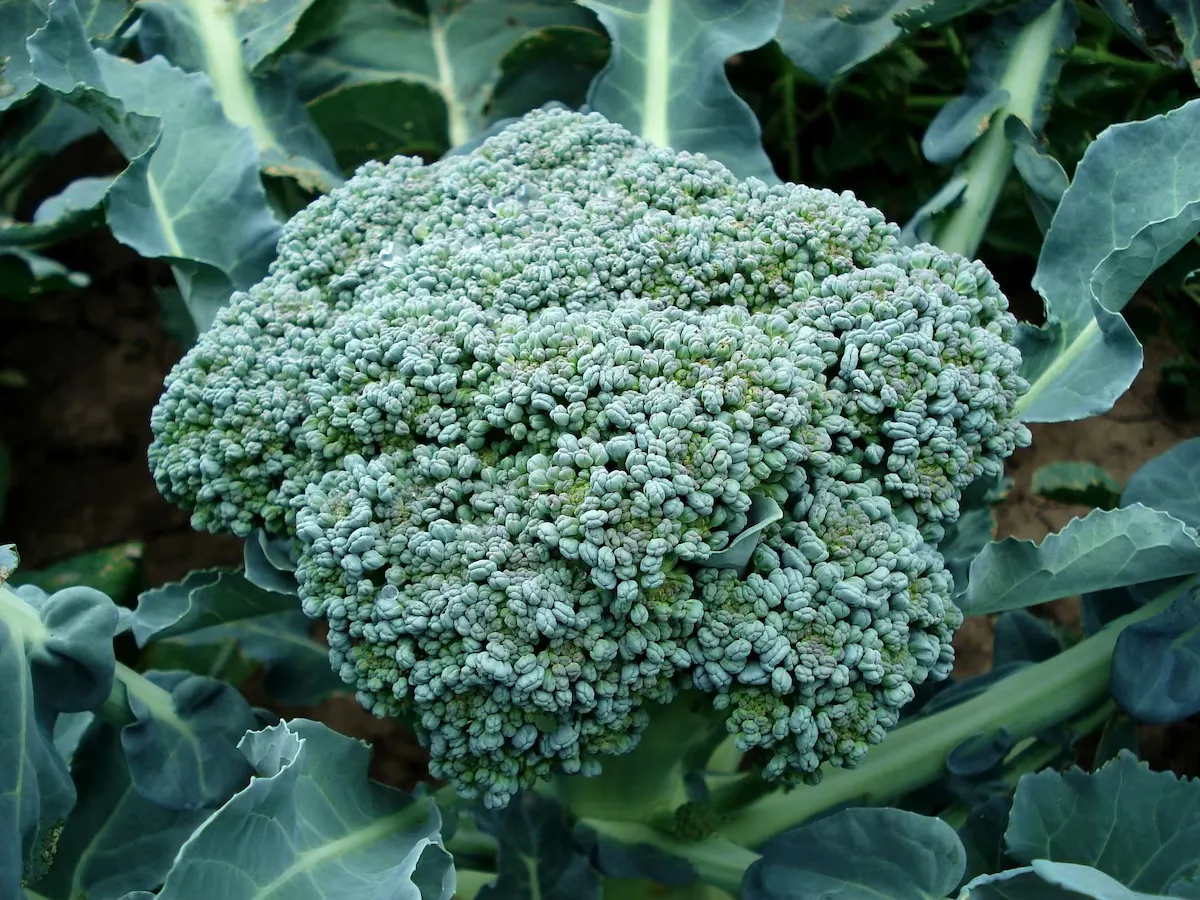
Calabrese
Calabrese (broccoli) produces a large central head of tightly-packed green buds, followed by smaller side-shoots after the main head is cut. It’s a cool-season brassica crop. Grow it in full sun with fertile, well-drained soil and keep plants watered during dry spells. Harvest the heads while firm, then leave the stem in the ground to allow side-shoots to develop.
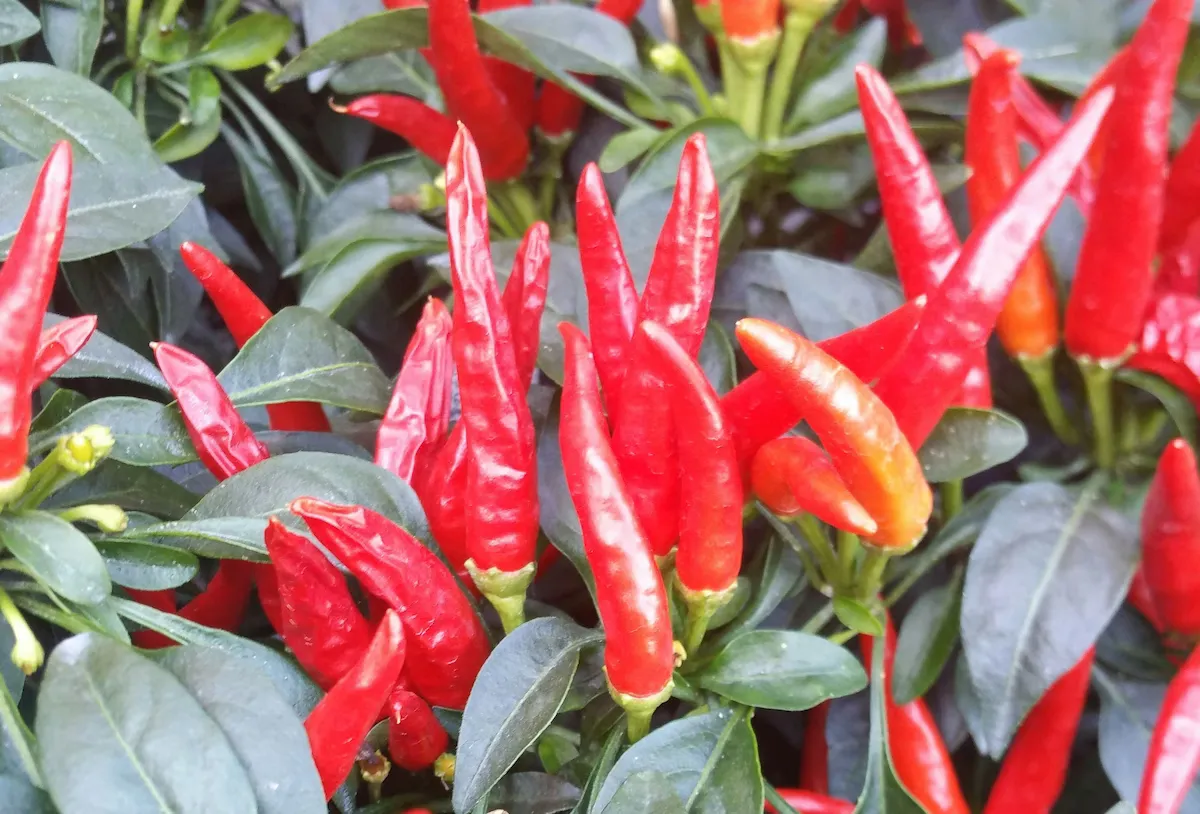
Chilli Pepper
Chilli peppers are tender perennials grown as annuals in the UK, requiring a long, warm season. They thrive in a greenhouse or a sunny, sheltered outdoor spot, producing fruits that range from mild to intensely hot depending on variety and growing conditions.
Also in nearby towns
See how Swiss Chard timing shifts in other towns with different frost dates.