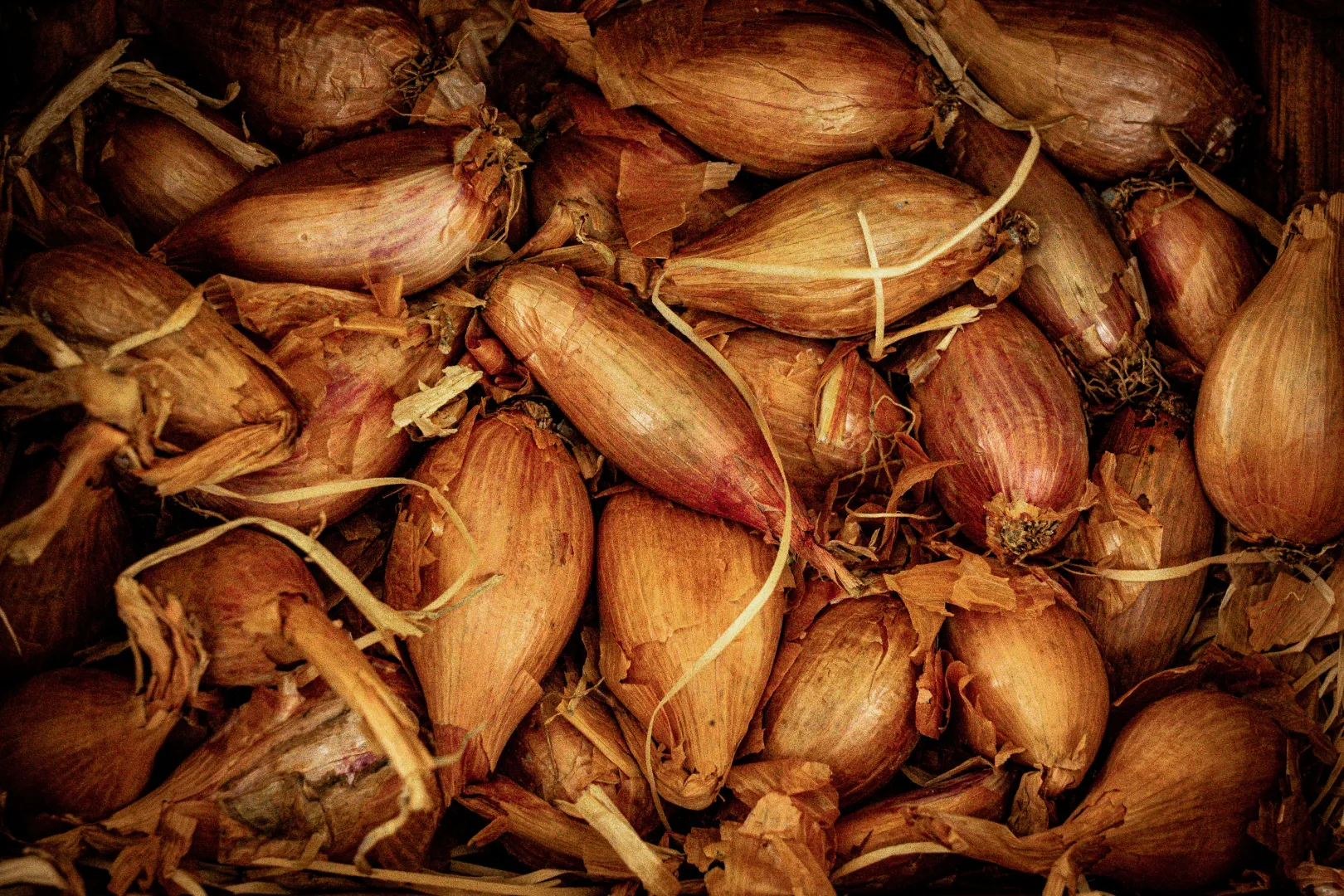
Shallots in Barnton
Allium cepa Aggregatum Group
Shallots are a hardy allium for the UK garden, usually grown from sets planted in late winter or early spring. Give them a free-draining bed, keep weeds down, and lift the bulbs once the tops yellow and fall over.
Growing Guide
Step-by-step instructions for growing Shallot
Planting Calendar
Prepare the Bed
13 Feb – 15 MarDig the soil over before planting and work in compost if the ground is poor. Make sure drainage is good, because shallots dislike sitting wet over winter and early spring. Aim to finish this work around 13th February - 15th March.
Plant the Sets
13 Feb – 15 MarPlant sets around 13th February - 15th March, with the tips just showing above the surface. Space them apart in rows and water in thoroughly straight after planting.
Keep Weed Free
7 Mar – 28 JunFrom 7th March, keep the bed free of weeds so the bulbs do not have to compete for light and moisture. Hoe lightly between the rows and avoid disturbing the shallow roots.
Lift and Cure
18 Jul – 29 AugHarvest from 18th July when the foliage starts to yellow and fall over. Lift the bulbs carefully, dry them in a airy place for days, then store them somewhere cool and dry.
Companion Plants
Tap a plant to see why it works (or doesn't) with Shallot.
Good companions
Plants to avoid
Why companion planting matters
Companion planting can deter pests, improve pollination, and make better use of space. Some plants confuse pests or attract beneficial insects; others improve soil or offer shade to neighbours that need it.
Suggested Varieties
Popular varieties of Shallot to consider
Jermor
A long-storing, widely grown UK shallot with good-sized bulbs and a mild flavour.
Longor
A popular French-style shallot with long bulbs and reliable crops from sets.
Red Sun
A red-skinned shallot that grows well from sets and stores well after curing.
Related Plants
Explore similar plants you might like
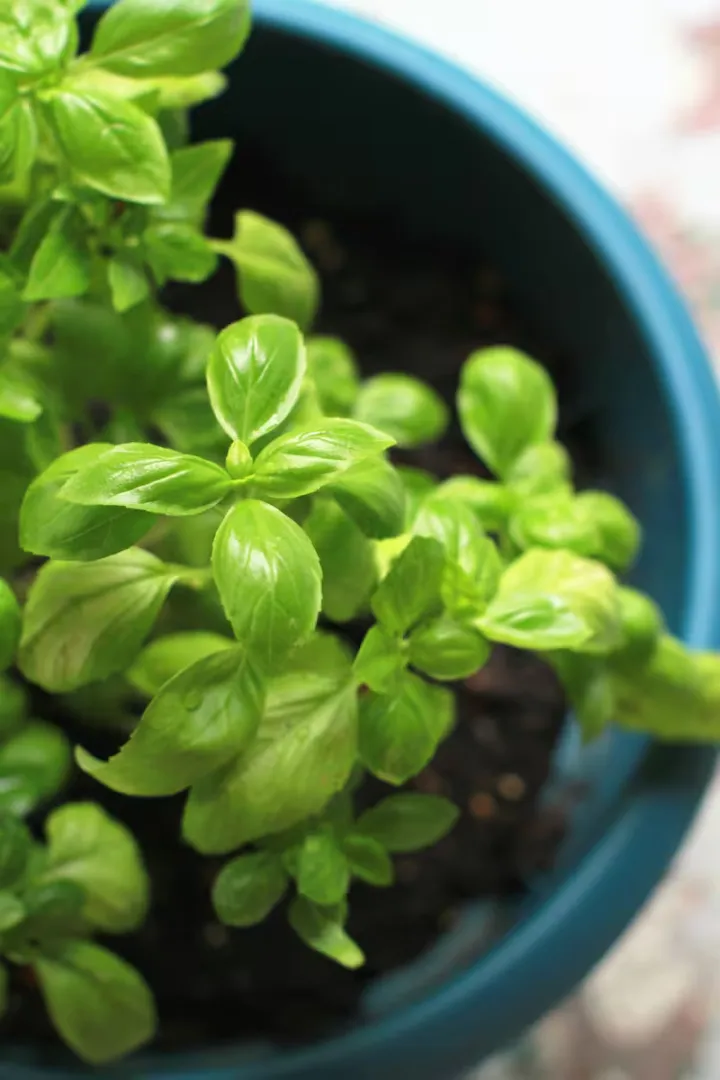
Basil
Basil is a fragrant, tender herb whose leaves are a staple of summer cooking. Native to tropical regions, basil is treated as an annual in temperate climates like the UK because it cannot tolerate frost. It thrives in warm, sunny conditions and can be grown in garden beds or pots for a steady supply of fresh, flavourful leaves throughout the summer.
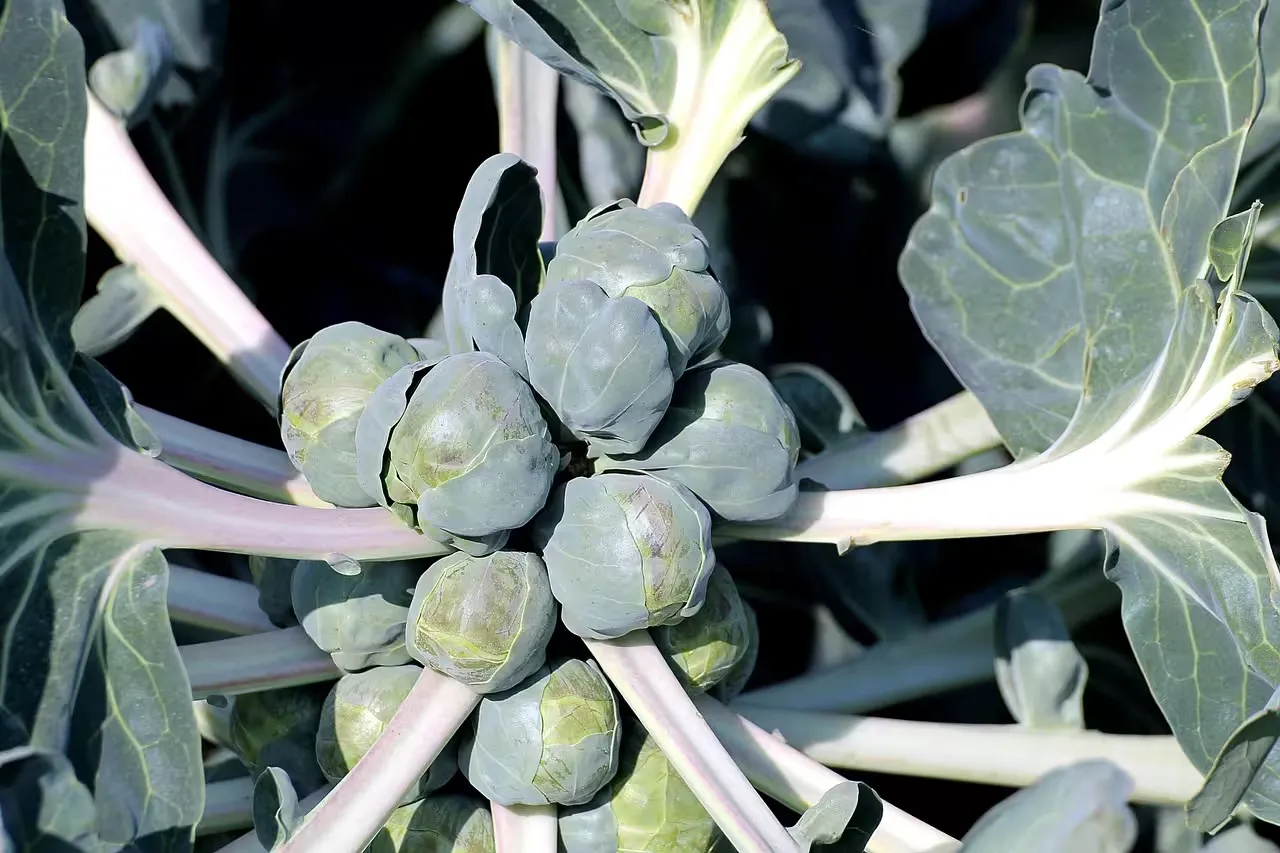
Brussels Sprouts
Brussels sprouts are a hardy winter brassica (cabbage family) that form sturdy, leafy stems often around 60–90cm tall. They produce edible mini-cabbage buds along the stem from autumn through winter. Thanks to their cold tolerance, sprouts remain productive into late winter, and frost actually improves their sweetness.
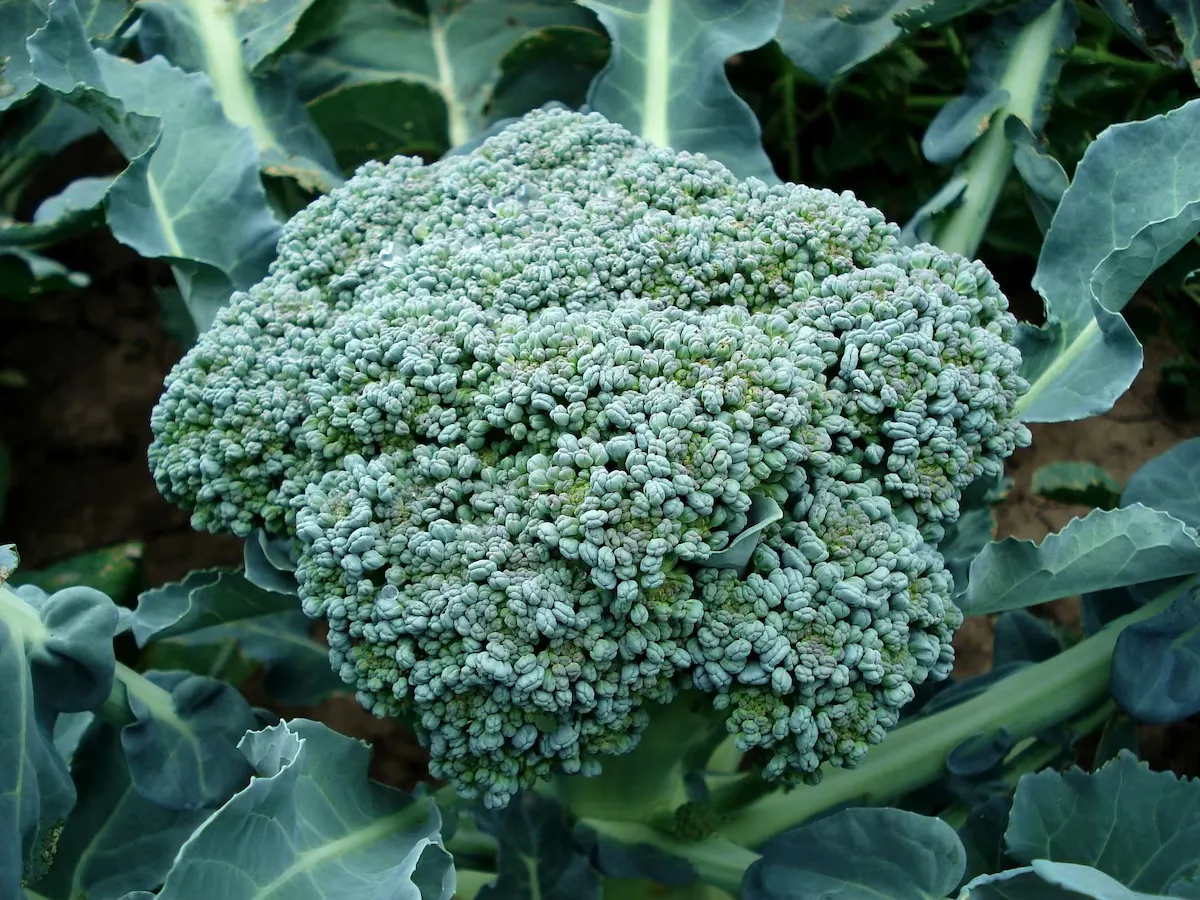
Calabrese
Calabrese (broccoli) produces a large central head of tightly-packed green buds, followed by smaller side-shoots after the main head is cut. It’s a cool-season brassica crop. Grow it in full sun with fertile, well-drained soil and keep plants watered during dry spells. Harvest the heads while firm, then leave the stem in the ground to allow side-shoots to develop.