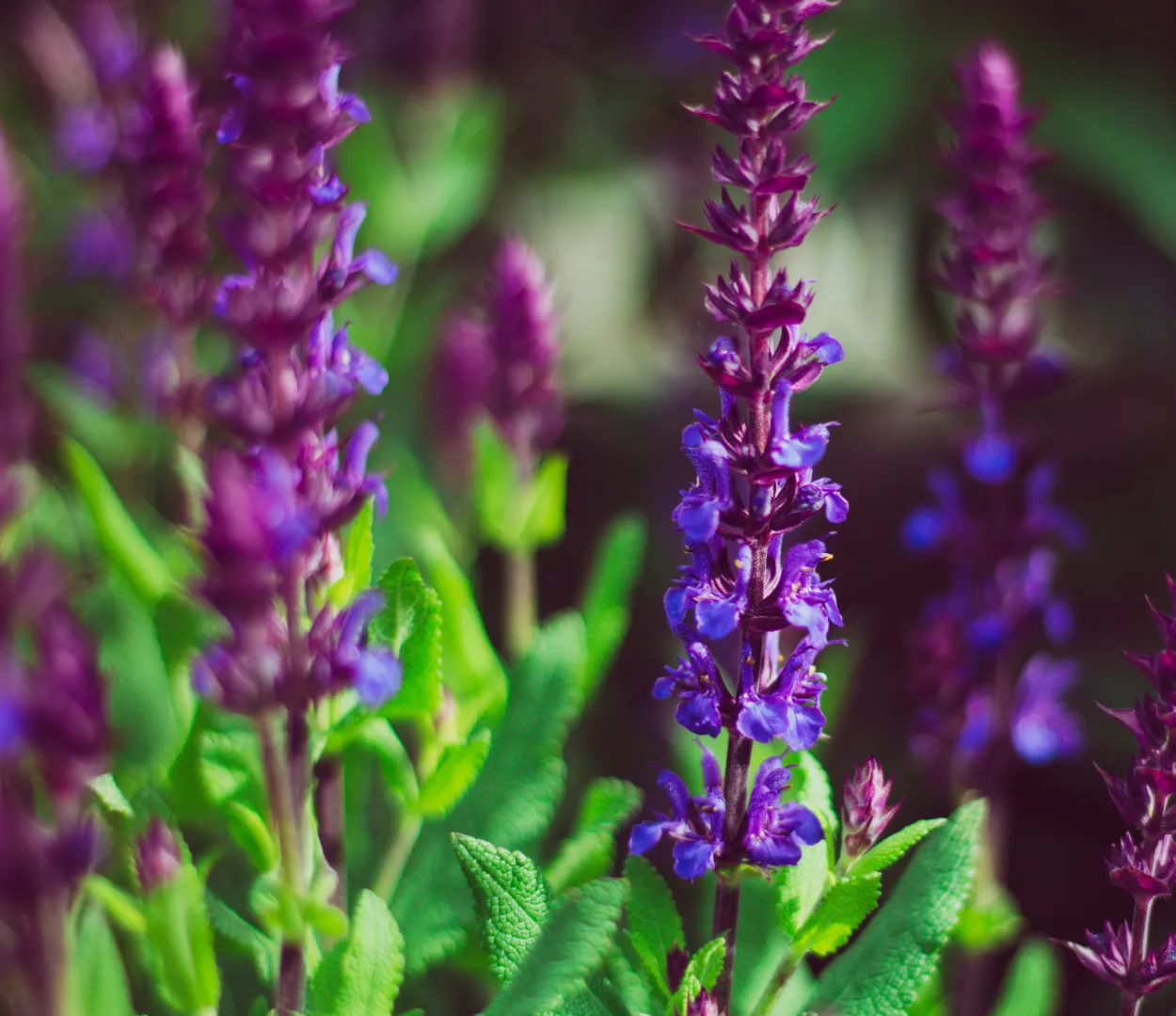
Salvias in Barnton
Salvia spp.
Half-hardy salvias grow best in a warm, sunny spot with free-draining soil. In the UK, plant young plants out only after frost has passed and give them shelter from cold winds and winter wet. Most are grown as tender perennials or bedding plants, and they flower for a long stretch if you keep deadheading and avoid heavy feeding.
Growing Guide
Step-by-step instructions for growing Salvia
Planting Calendar
Plant Out
14 Apr – 15 MayPlant young salvias into well-drained soil or a roomy pot around 14th April - 15th May. Set them at the same depth they were growing before and space them apart. Water in thoroughly straight after planting so the roots settle quickly.
Water Until Established
29 Apr – 13 JunKeep the compost or soil evenly moist from 29th April through the first dry spells after planting. Water at the base, not over the leaves, and let the surface dry slightly between waterings so the roots are encouraged to run deep.
Pinch and Deadhead
29 May – 6 OctFrom 29th May, pinch out the tips on young plants to make them bushier, then remove faded flower spikes as they finish. Keep going through 6th October to extend flowering and stop the plant wasting energy on seed.
Lightly Prune
13 Jul – 12 AugTidy the plants after the main flush of flowers around 13th July - 12th August. Cut back the stems by about a third, just above fresh growth, and do not cut into old, leafless wood on shrubby types.
Cut Back for Winter
22 Sept – 5 NovAfter the first frost, tidy the plant by removing dead flower stems and damaged growth around 22nd September - 5th November. Leave the framework of shrubby salvias standing if it helps protect the crown, and only remove material that is clearly finished.
Companion Plants
Tap a plant to see why it works (or doesn't) with Salvia.
Good companions
Plants to avoid
Why companion planting matters
Companion planting can deter pests, improve pollination, and make better use of space. Some plants confuse pests or attract beneficial insects; others improve soil or offer shade to neighbours that need it.
Suggested Varieties
Popular varieties of Salvia to consider
Salvia nemorosa 'Caradonna'
A popular upright perennial salvia with deep violet flowers and dark stems, good for borders and pollinators.
Salvia nemorosa 'Mainacht'
A reliable border salvia with rich purple flower spikes and a neat habit.
Salvia microphylla 'Hot Lips'
A shrubby salvia with red and white flowers over a long season in a sheltered, sunny spot.
Salvia guaranitica 'Black and Blue'
A tall, striking salvia for a warm border or large container, with dark calyces and blue flowers.
Related Plants
Explore similar plants you might like
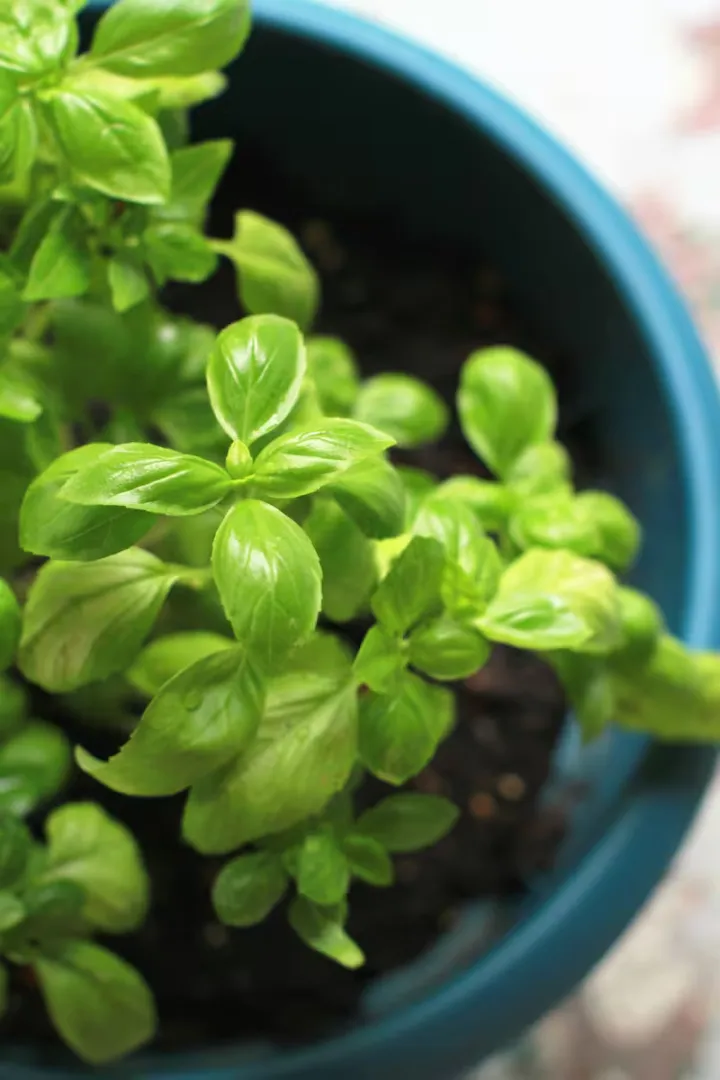
Basil
Basil is a fragrant, tender herb whose leaves are a staple of summer cooking. Native to tropical regions, basil is treated as an annual in temperate climates like the UK because it cannot tolerate frost. It thrives in warm, sunny conditions and can be grown in garden beds or pots for a steady supply of fresh, flavourful leaves throughout the summer.
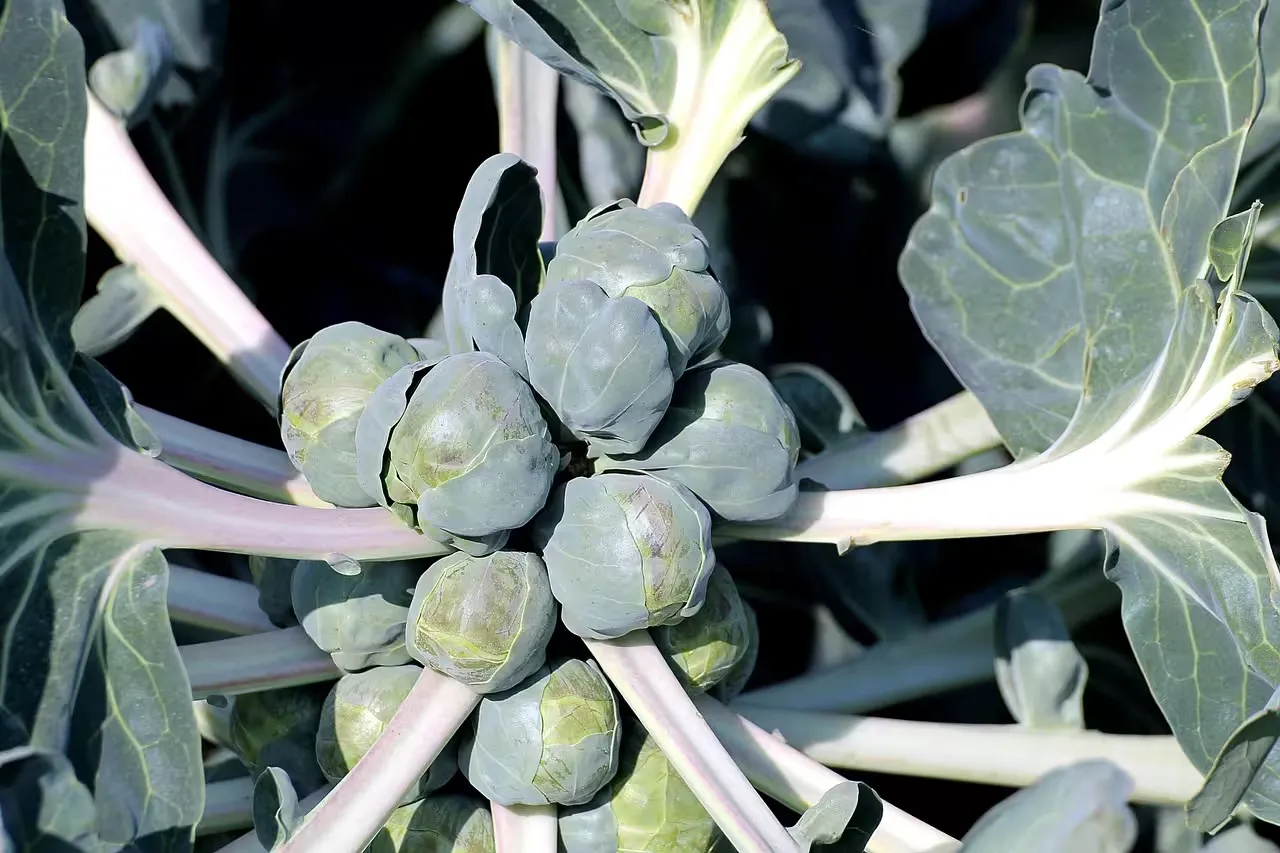
Brussels Sprouts
Brussels sprouts are a hardy winter brassica (cabbage family) that form sturdy, leafy stems often around 60–90cm tall. They produce edible mini-cabbage buds along the stem from autumn through winter. Thanks to their cold tolerance, sprouts remain productive into late winter, and frost actually improves their sweetness.
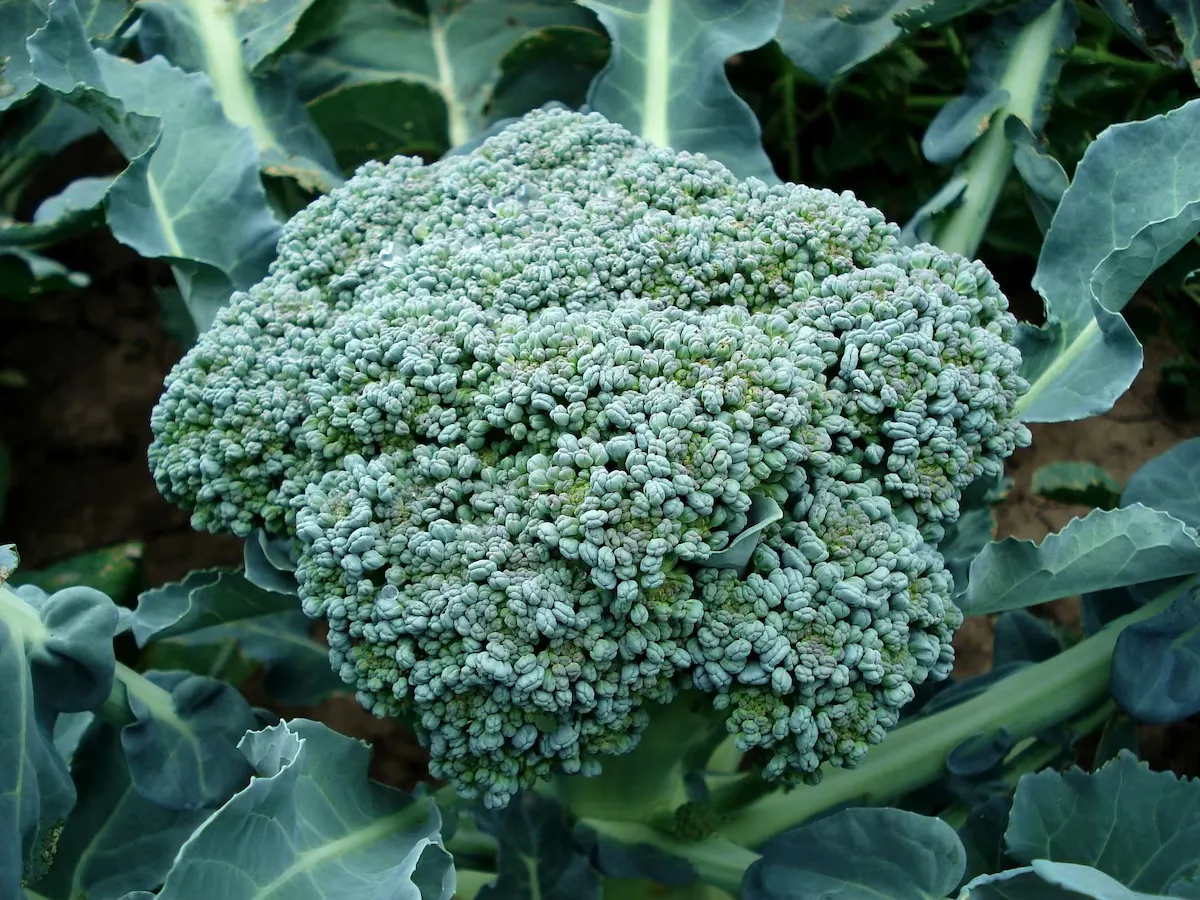
Calabrese
Calabrese (broccoli) produces a large central head of tightly-packed green buds, followed by smaller side-shoots after the main head is cut. It’s a cool-season brassica crop. Grow it in full sun with fertile, well-drained soil and keep plants watered during dry spells. Harvest the heads while firm, then leave the stem in the ground to allow side-shoots to develop.