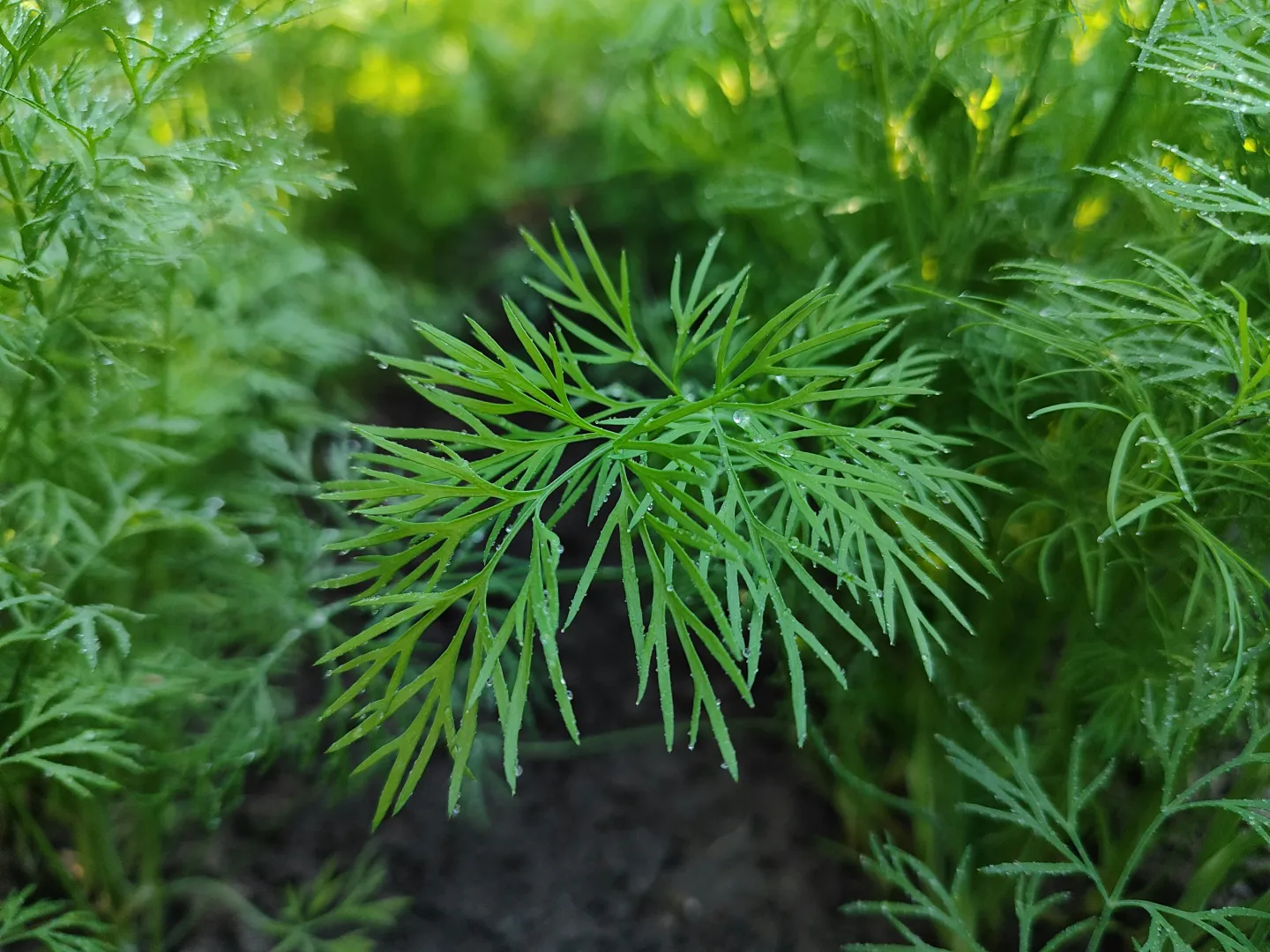
Dills in Barnton
Anethum graveolens
A quick-growing annual herb for light, feathery leaves and seed heads. In the UK it grows best from spring to mid-summer in a sunny, sheltered spot with free-draining soil, and it dislikes being moved once established.
Growing Guide
Step-by-step instructions for growing Dill
Planting Calendar
Sow seeds
28 Apr – 15 Julevery 3 weeksSow seeds thinly on the surface of fine compost from 28th April to 15th July and cover with a very light layer of compost only. Keep the compost just moist, as seeds germinate best with light and steady warmth.
Thin seedlings
20 Jun – 4 JulWhen seedlings are large enough to handle, thin them so the strongest plants stand apart. If several come up in one spot, snip the extras off at soil level rather than pulling them up.
Water and shelter
20 Jun – 6 OctFrom 20th June to 6th October, water the roots when the surface starts to dry and keep the soil evenly moist, not sodden. In exposed gardens, use fleece or a cloche early on to help young plants settle.
Pinch out tips
4 Jul – 6 Octevery 2 weeksFrom 4th July to 6th October, pinch out the growing tips regularly to stop plants rushing into flower too soon. Pick from the top growth often, and remove any flower buds if you want more leaf growth.
Harvest leaves
18 Jul – 6 Octevery weekStart cutting from 18th July and keep picking until 6th October. Snip small amounts often, taking the soft tips first, and use the leaves fresh for the best flavour.
Companion Plants
Tap a plant to see why it works (or doesn't) with Dill.
Good companions
Plants to avoid
Why companion planting matters
Companion planting can deter pests, improve pollination, and make better use of space. Some plants confuse pests or attract beneficial insects; others improve soil or offer shade to neighbours that need it.
Suggested Varieties
Popular varieties of Dill to consider
Mammoth
A tall, leafy dill with good flavour for salads, fish and pickling.
Fernleaf
A compact, slow-bolting type that suits pots and small gardens.
Tetra
A reliable, later-flowering cultivar with plenty of foliage.
Related Plants
Explore similar plants you might like
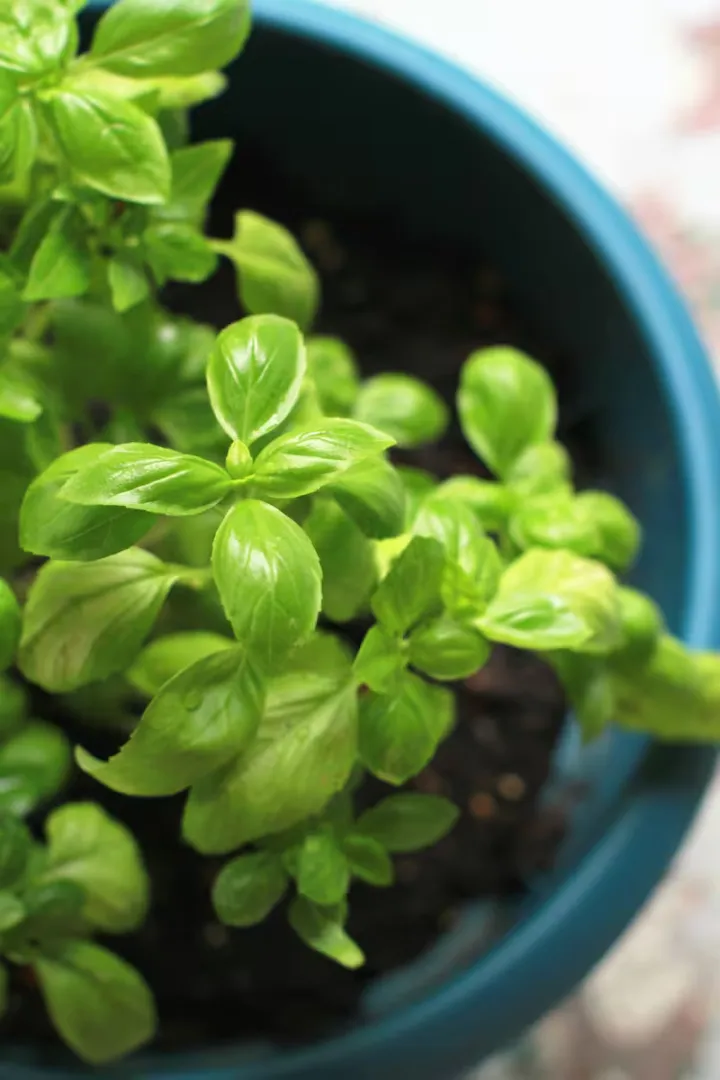
Basil
Basil is a fragrant, tender herb whose leaves are a staple of summer cooking. Native to tropical regions, basil is treated as an annual in temperate climates like the UK because it cannot tolerate frost. It thrives in warm, sunny conditions and can be grown in garden beds or pots for a steady supply of fresh, flavourful leaves throughout the summer.
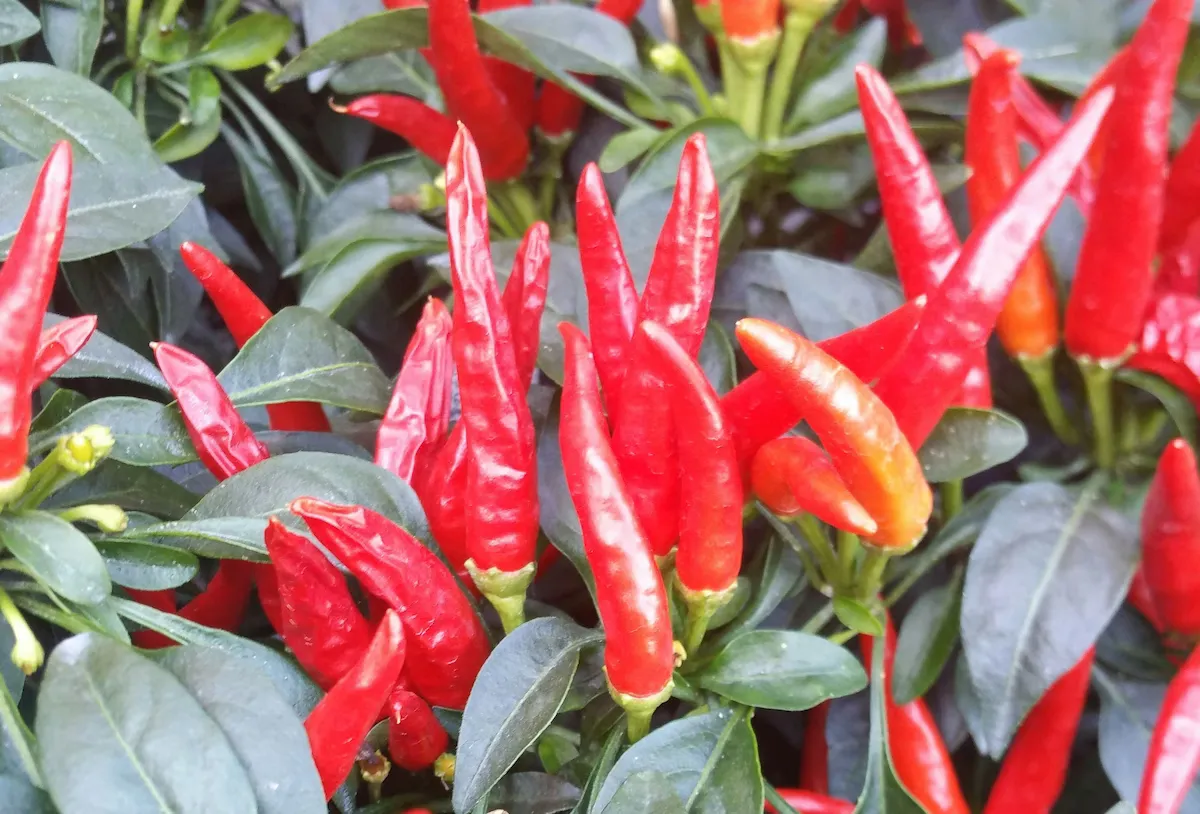
Chilli Pepper
Chilli peppers are tender perennials grown as annuals in the UK, requiring a long, warm season. They thrive in a greenhouse or a sunny, sheltered outdoor spot, producing fruits that range from mild to intensely hot depending on variety and growing conditions.
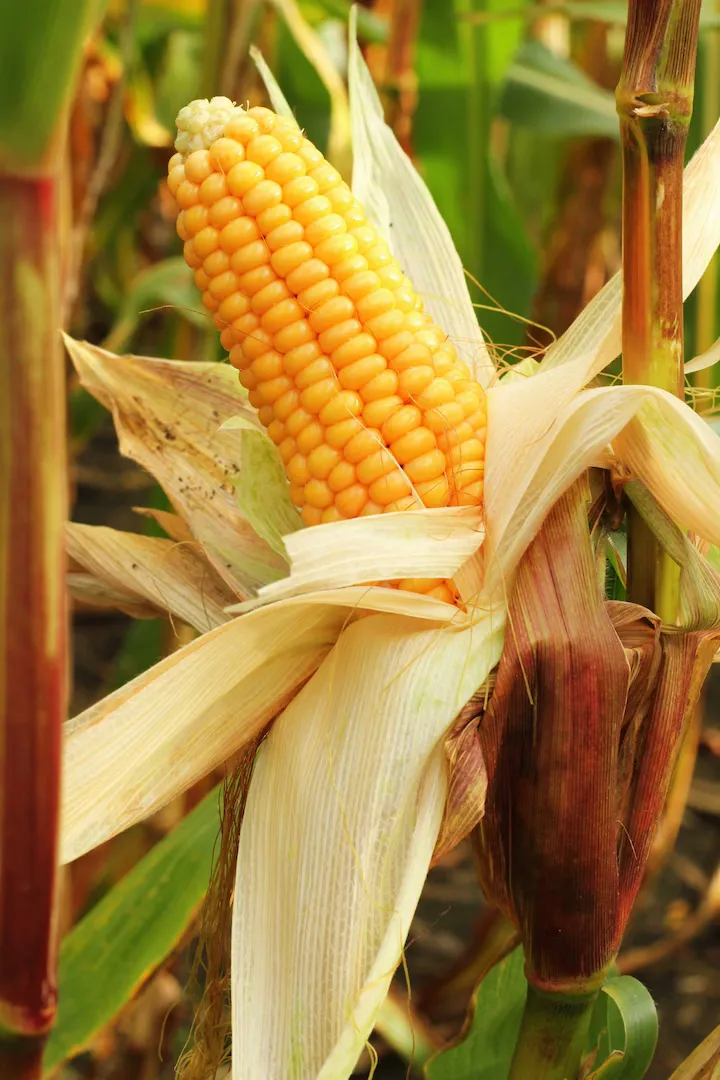
Sweetcorn
Sweetcorn is a tall annual plant grown for its sweet, juicy cobs. It thrives in warm, sunny conditions and must be planted after the last frost. Plants are wind-pollinated, so for best results grow them in blocks rather than single rows, ensuring well-filled cobs. With good care and warm weather, sweetcorn will reward you with delicious fresh corn-on-the-cob in late summer.