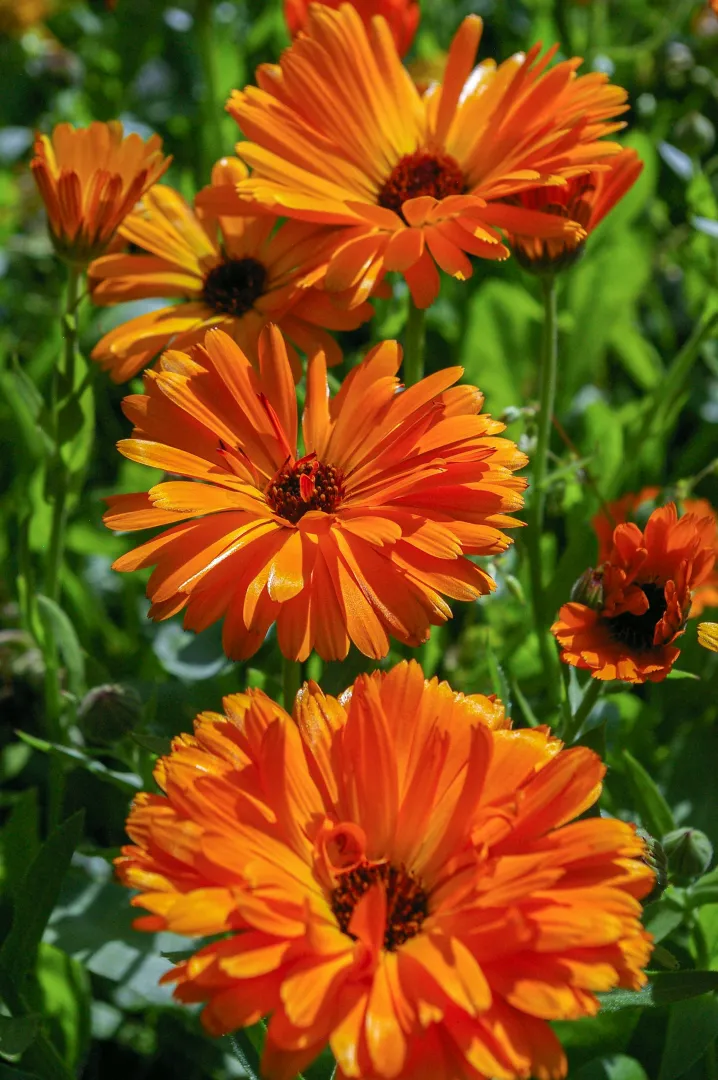
Calendulas in Barnton
Calendula officinalis
Hardy annual grown for long-lasting edible and ornamental flowers. In the UK it grows well from seed sown in modules or direct outdoors, then keeps flowering for months if you keep picking and deadheading.
Growing Guide
Step-by-step instructions for growing Calendula
Planting Calendar
Sow Seeds
28 Feb – 15 Mayevery 3 weeksSow seeds around 28th February - 15th May in a prepared seedbed or where you want the plants to grow. Cover with a fine layer of soil to a depth of and keep the rows lightly moist until germination.
Thin Seedlings
21 Apr – 28 AprWhen seedlings are large enough to handle, from 21st April, thin them to the strongest plants. Leave the final spacing at so each plant gets light and air.
Transplant as Companions
28 Apr – 12 MayFrom 28th April, move strong plants into gaps beside tomatoes, cabbages, beans or other vulnerable crops. Water them in thoroughly straight away, then protect young plants with fleece if slugs or cold nights are an issue.
Deadheading & Maintenance
4 Jun – 6 OctFrom 4th June to 6th October, remove fading flowers every few days so the plant does not set seed and keeps flowering until the autumn frosts. Water in dry spells and pick blooms often for the best display.
Companion Plants
Tap a plant to see why it works (or doesn't) with Calendula.
Good companions
Plants to avoid
Why companion planting matters
Companion planting can deter pests, improve pollination, and make better use of space. Some plants confuse pests or attract beneficial insects; others improve soil or offer shade to neighbours that need it.
Suggested Varieties
Popular varieties of Calendula to consider
Pacific Beauty
Mixed orange and yellow flowers on strong, reliable plants.
Indian Prince
Double orange flowers with a darker centre, good for cutting and display.
Snow Princess
Creamy white flowers on neat plants with a clean look in borders and pots.
Oopsy Daisy
Compact plants with double flowers, handy for containers and smaller spaces.
Related Plants
Explore similar plants you might like
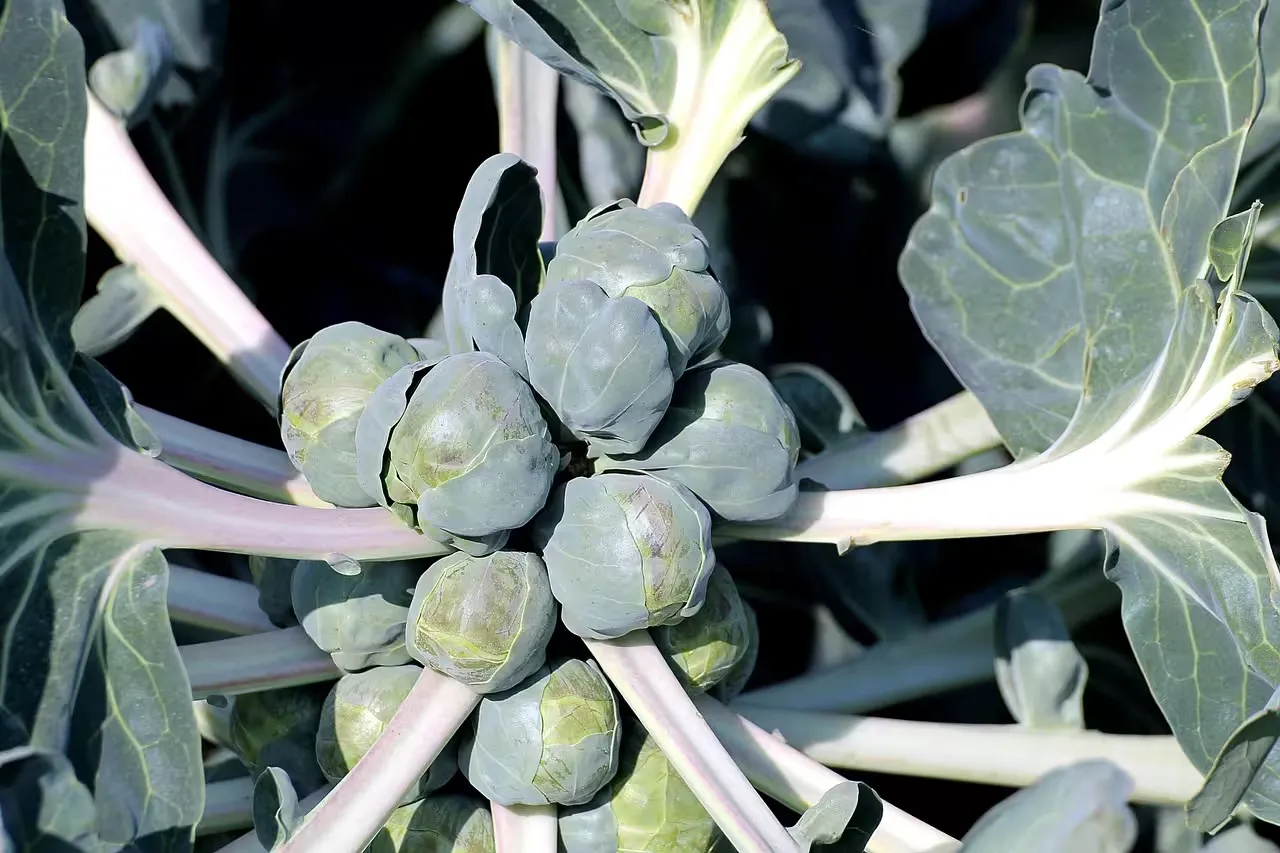
Brussels Sprouts
Brussels sprouts are a hardy winter brassica (cabbage family) that form sturdy, leafy stems often around 60–90cm tall. They produce edible mini-cabbage buds along the stem from autumn through winter. Thanks to their cold tolerance, sprouts remain productive into late winter, and frost actually improves their sweetness.
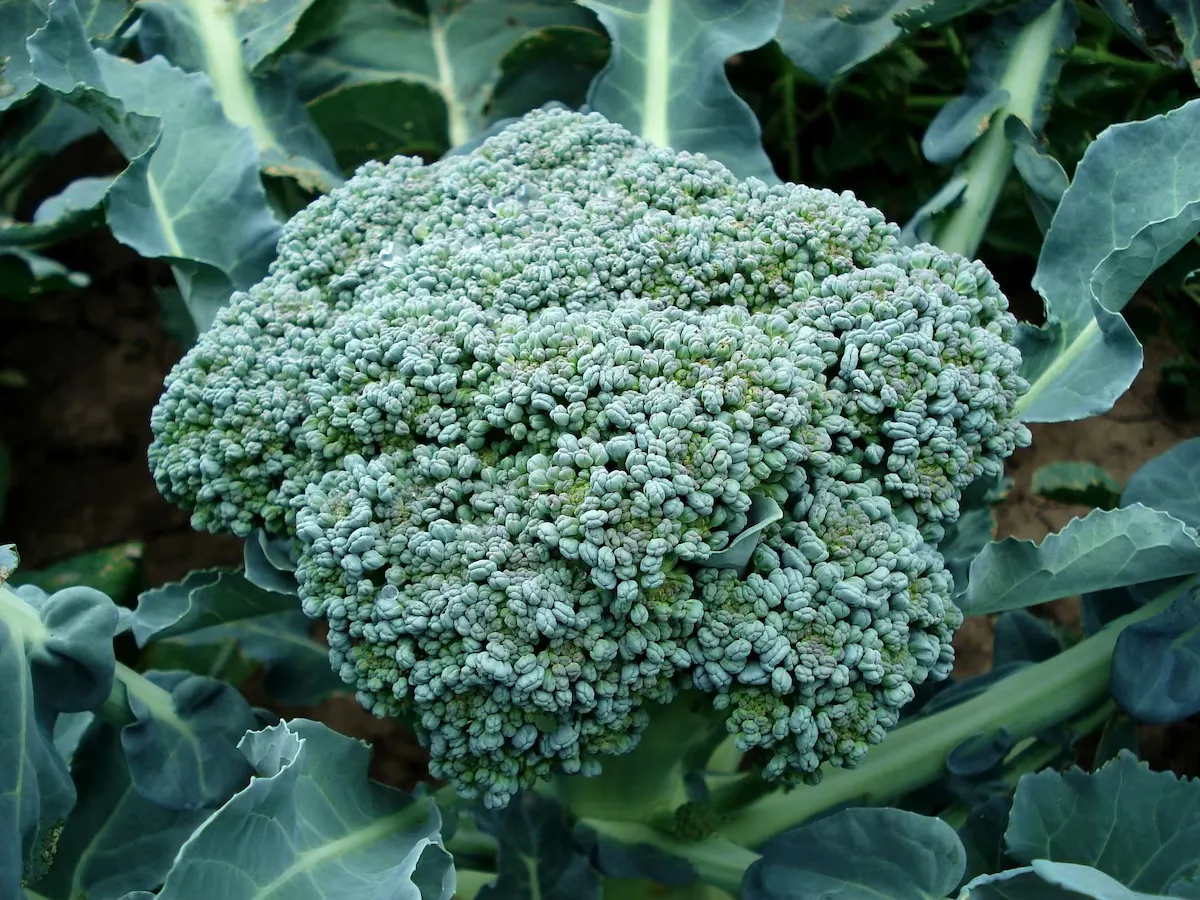
Calabrese
Calabrese (broccoli) produces a large central head of tightly-packed green buds, followed by smaller side-shoots after the main head is cut. It’s a cool-season brassica crop. Grow it in full sun with fertile, well-drained soil and keep plants watered during dry spells. Harvest the heads while firm, then leave the stem in the ground to allow side-shoots to develop.
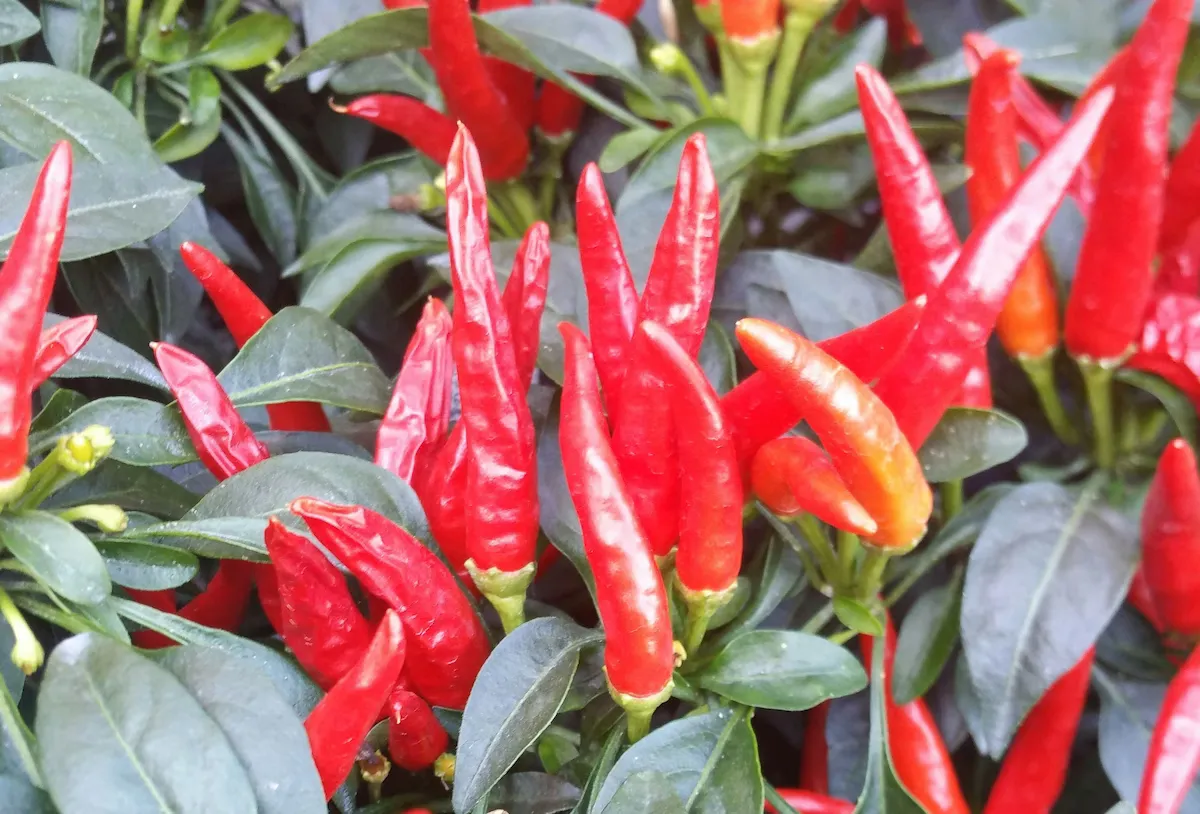
Chilli Pepper
Chilli peppers are tender perennials grown as annuals in the UK, requiring a long, warm season. They thrive in a greenhouse or a sunny, sheltered outdoor spot, producing fruits that range from mild to intensely hot depending on variety and growing conditions.