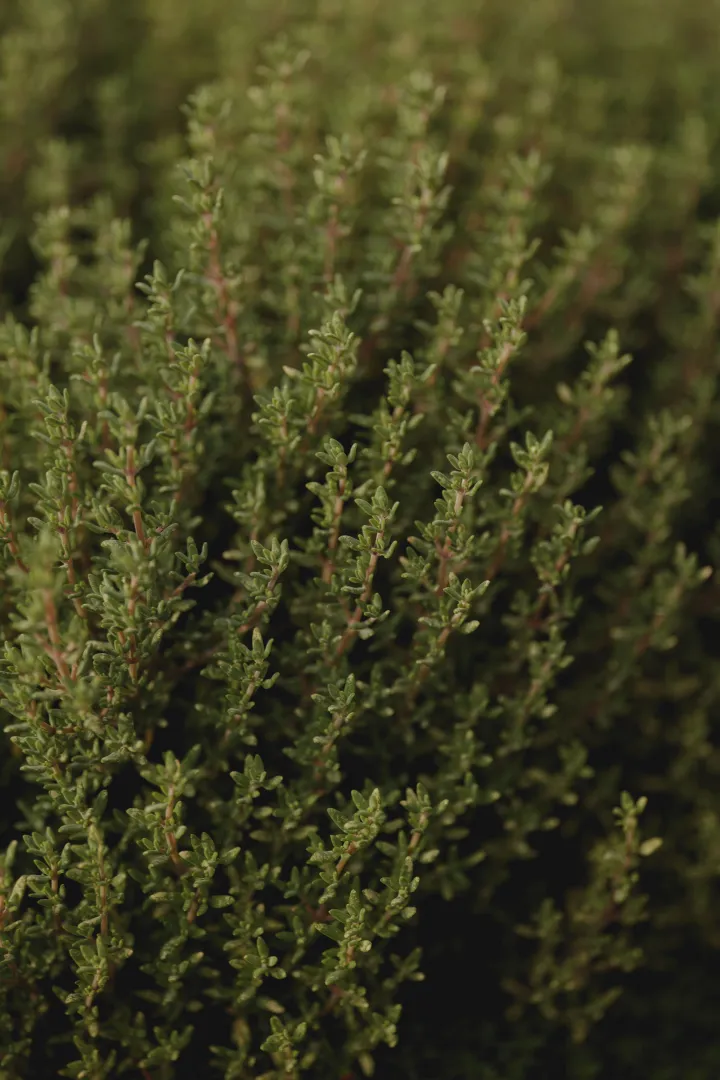
Thymes in Barns of Claverhouse
Thymus vulgaris
A low, woody Mediterranean herb that grows best in a sunny, free-draining spot in the UK. It dislikes wet winter soil, so keep it in raised beds, gritty borders or a pot if your ground stays damp.
Growing Guide
Step-by-step instructions for growing Thyme
Planting Calendar
Sow Seeds
25 Feb – 27 MarSow seeds thinly on the surface of moist seed compost around 25th February - 27th March and just press them in, because thyme needs light to germinate. Keep them warm and do not let the compost dry out.
Prick Out Seedlings
2 Apr – 16 AprWhen seedlings are large enough to handle, prick them out into small pots from 2nd April. Handle them by the leaves, not the stems, and keep them in bright light so they do not get lank.
Pot On Young Plants
23 Apr – 7 MayMove the plants into slightly larger pots from 23rd April once the roots fill the first pot. Use a free-draining mix and avoid overpotting, as thyme grows better when kept a little snug.
Harden Off
4 Apr – 25 AprAcclimatise the plants from 4th April over about 22 days before planting out. Put them outside for longer each day, but protect them from cold wind and heavy rain.
Plant Out
25 Apr – 9 MayPlant out from 25th April in a full sun, sharply drained spot, or keep the plant in a pot with gritty compost. Water in thoroughly straight after planting, then keep watering light while roots settle.
Pinch Tips
27 Jun – 11 NovFrom 27th June, pinch out the growing tips regularly to keep the plant bushy and stop it becoming straggly. Do not cut into old bare wood, since thyme may not reshoot well from that.
Harvest Sprigs
4 Jun – 11 NovTake small sprigs from 4th June once the plant is well rooted, then keep picking lightly through 11th November. In the first year, take only a modest amount so the plant can establish properly.
Companion Plants
Tap a plant to see why it works (or doesn't) with Thyme.
Good companions
Plants to avoid
Why companion planting matters
Companion planting can deter pests, improve pollination, and make better use of space. Some plants confuse pests or attract beneficial insects; others improve soil or offer shade to neighbours that need it.
Suggested Varieties
Popular varieties of Thyme to consider
English Winter Thyme
A dependable hardy thyme with a strong flavour and neat growth for pots or borders.
Broad Leaved Thyme
A recognised common thyme type with broader leaves and a slightly softer flavour for cooking.
Compactus
A low, compact cultivar that suits pots, edging and small spaces.
Related Plants
Explore similar plants you might like
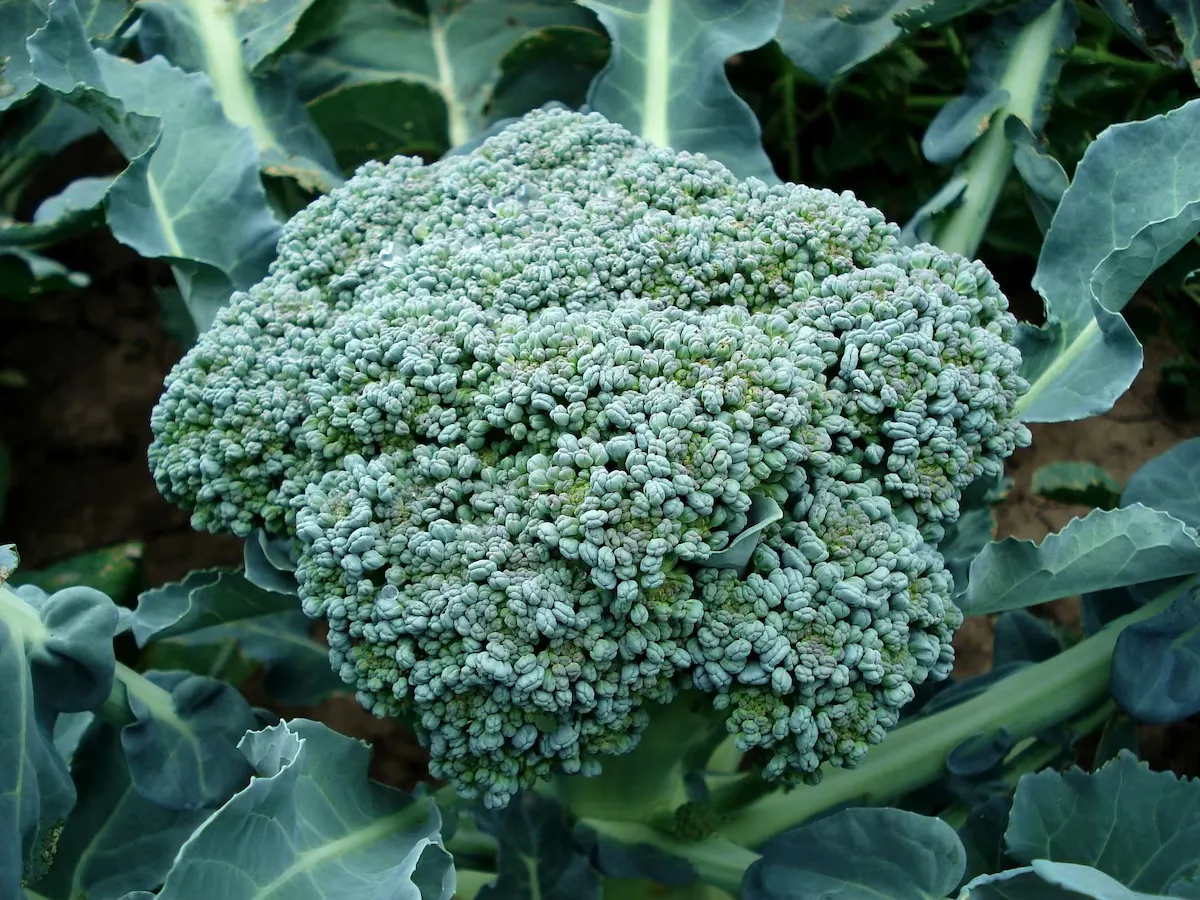
Calabrese
Calabrese (broccoli) produces a large central head of tightly-packed green buds, followed by smaller side-shoots after the main head is cut. It’s a cool-season brassica crop. Grow it in full sun with fertile, well-drained soil and keep plants watered during dry spells. Harvest the heads while firm, then leave the stem in the ground to allow side-shoots to develop.
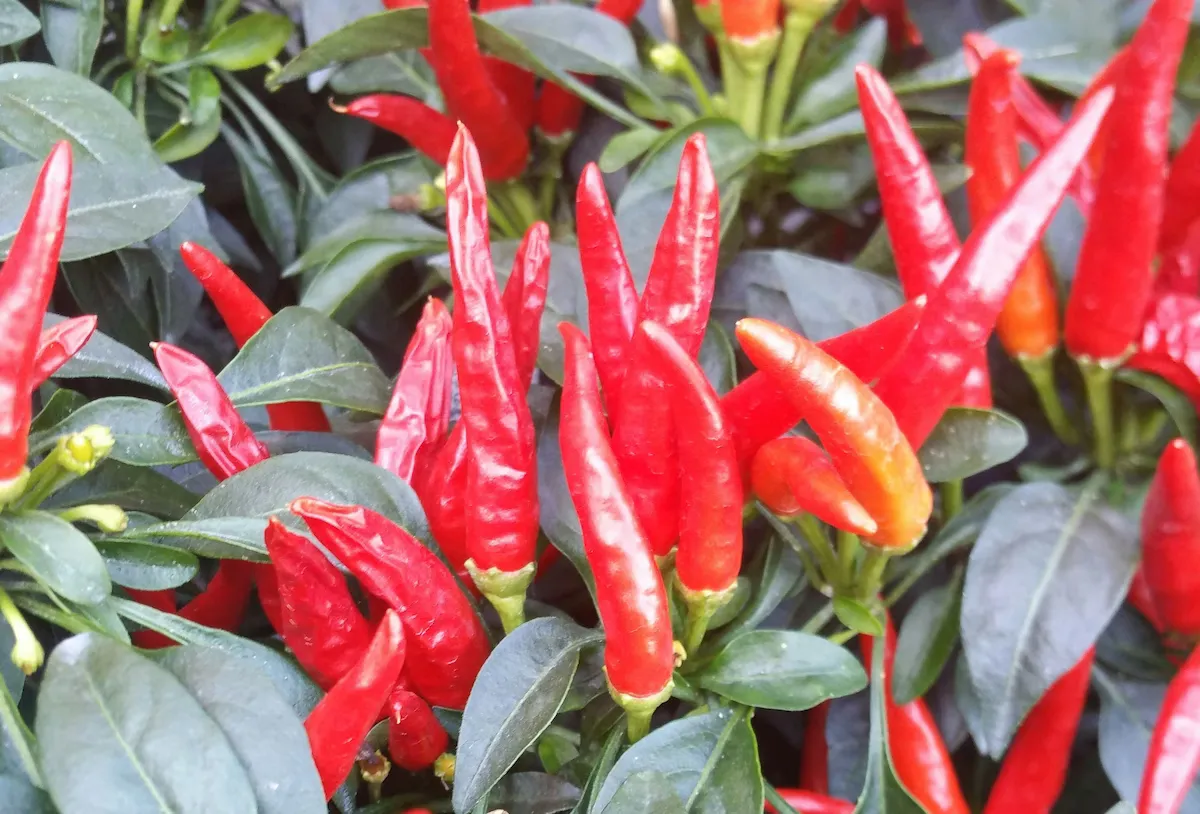
Chilli Pepper
Chilli peppers are tender perennials grown as annuals in the UK, requiring a long, warm season. They thrive in a greenhouse or a sunny, sheltered outdoor spot, producing fruits that range from mild to intensely hot depending on variety and growing conditions.
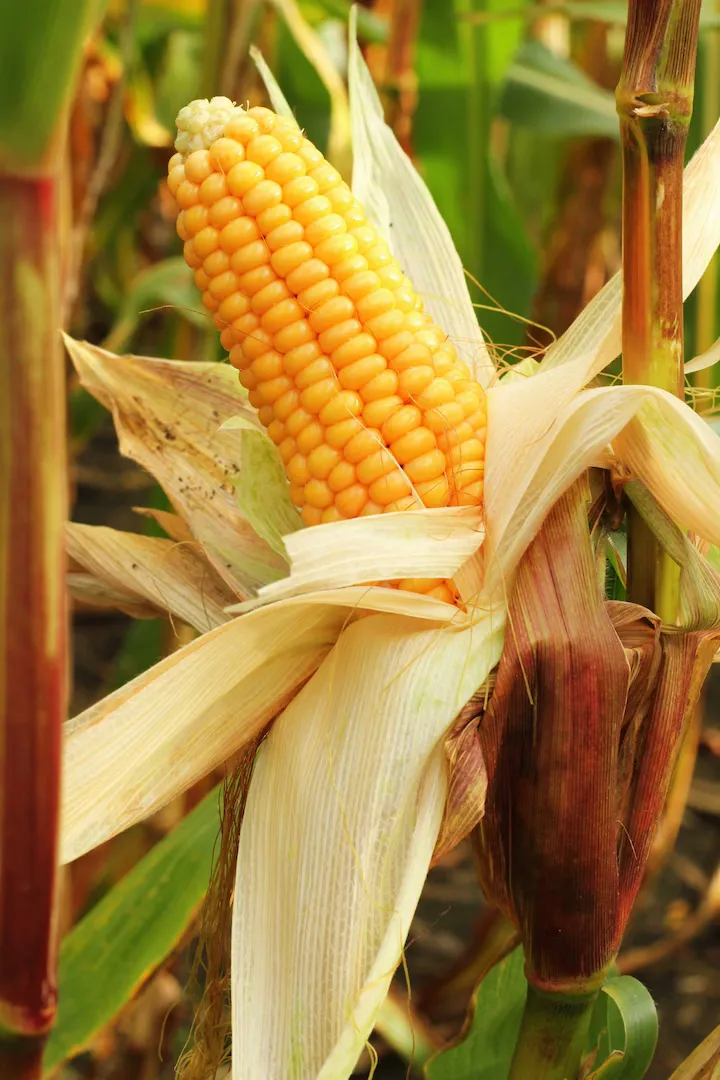
Sweetcorn
Sweetcorn is a tall annual plant grown for its sweet, juicy cobs. It thrives in warm, sunny conditions and must be planted after the last frost. Plants are wind-pollinated, so for best results grow them in blocks rather than single rows, ensuring well-filled cobs. With good care and warm weather, sweetcorn will reward you with delicious fresh corn-on-the-cob in late summer.