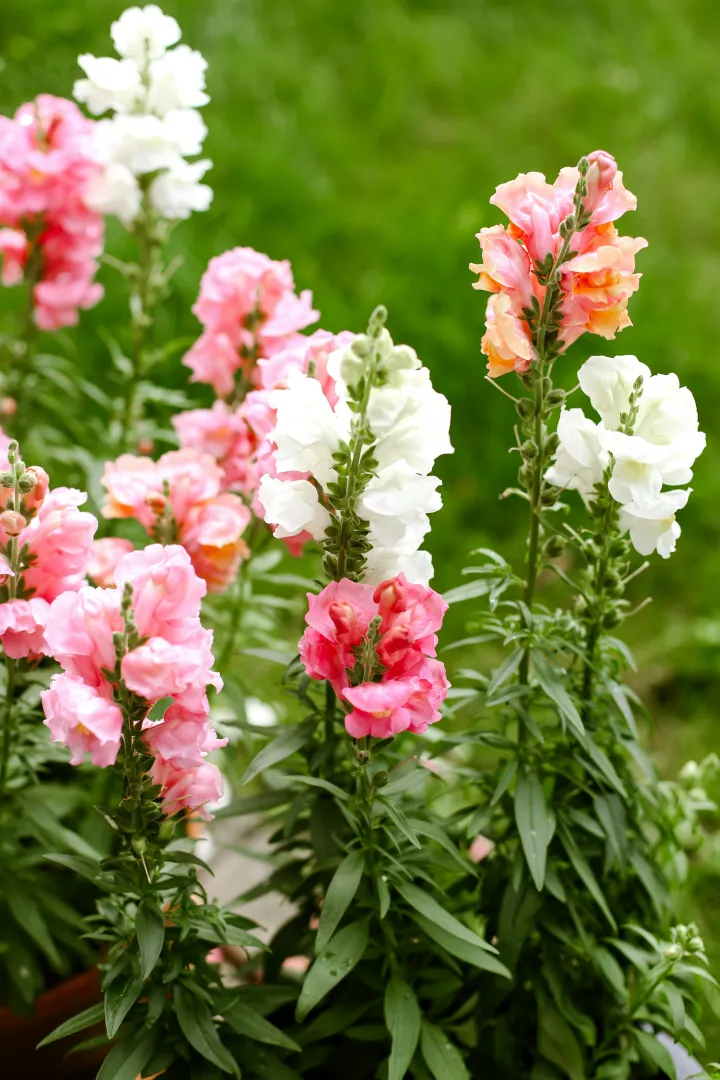
Snapdragons in Barns of Claverhouse
Antirrhinum majus
A half-hardy bedding flower for a bright, long-running display in a sheltered UK border or container. Start seeds under cover, then plant out after frost risk has passed and keep deadheading for a long flowering season.
Growing Guide
Step-by-step instructions for growing Snapdragon
Planting Calendar
Sow Seeds Indoors
31 Jan – 7 MarSow seeds in modules or trays around 31st January - 7th March and just cover them with fine compost. Keep them at and use a bright windowsill or propagator so they germinate evenly.
Prick Out Seedlings
3 Mar – 17 MarWhen seedlings are large enough to handle, move them into small pots and grow them on from 3rd March. Keep the compost just moist and give them plenty of light so they do not get leggy.
Harden Off
28 Mar – 11 AprAcclimatise the young plants outside over 28th March - 11th April. Put them out for a few hours at first, then leave them out longer each day so they can handle cooler air and sun without checking.
Plant Out
25 Apr – 9 MayPlant into final positions from 25th April, spacing them apart. Water in thoroughly straight away and keep fleece handy if a cold snap is forecast.
Deadhead & Maintain
1 Jun – 12 Octevery 2 weeksRemove fading flowers regularly from 1st June so the plants keep flowering rather than putting energy into seed. Water during dry spells and feed lightly every 14 days to keep growth steady through the season.
Companion Plants
Tap a plant to see why it works (or doesn't) with Snapdragon.
Good companions
Plants to avoid
Why companion planting matters
Companion planting can deter pests, improve pollination, and make better use of space. Some plants confuse pests or attract beneficial insects; others improve soil or offer shade to neighbours that need it.
Suggested Varieties
Popular varieties of Snapdragon to consider
Rocket F1
Tall, upright plants with strong stems and good weather tolerance.
Sonnet Mixed
A reliable half-hardy group with a wide colour range and neat growth.
Madame Butterfly
Double-flowered blooms on branching plants, good for cutting and borders.
Twinny Mix
Compact, double-flowered plants suited to pots and the front of borders.
Related Plants
Explore similar plants you might like
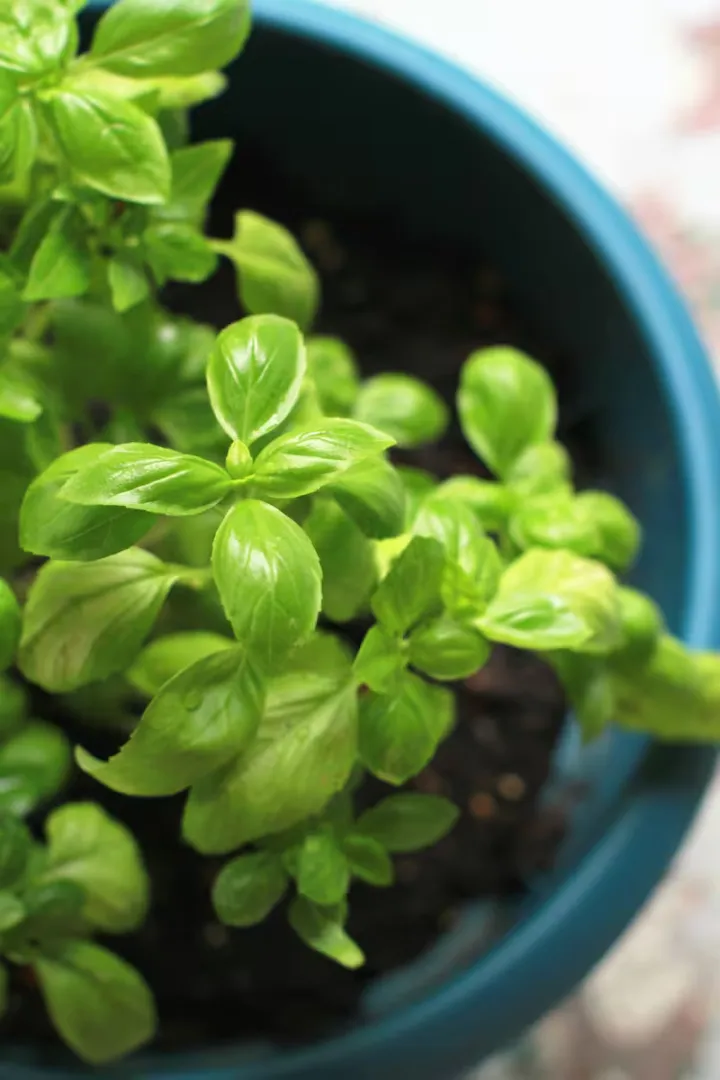
Basil
Basil is a fragrant, tender herb whose leaves are a staple of summer cooking. Native to tropical regions, basil is treated as an annual in temperate climates like the UK because it cannot tolerate frost. It thrives in warm, sunny conditions and can be grown in garden beds or pots for a steady supply of fresh, flavourful leaves throughout the summer.
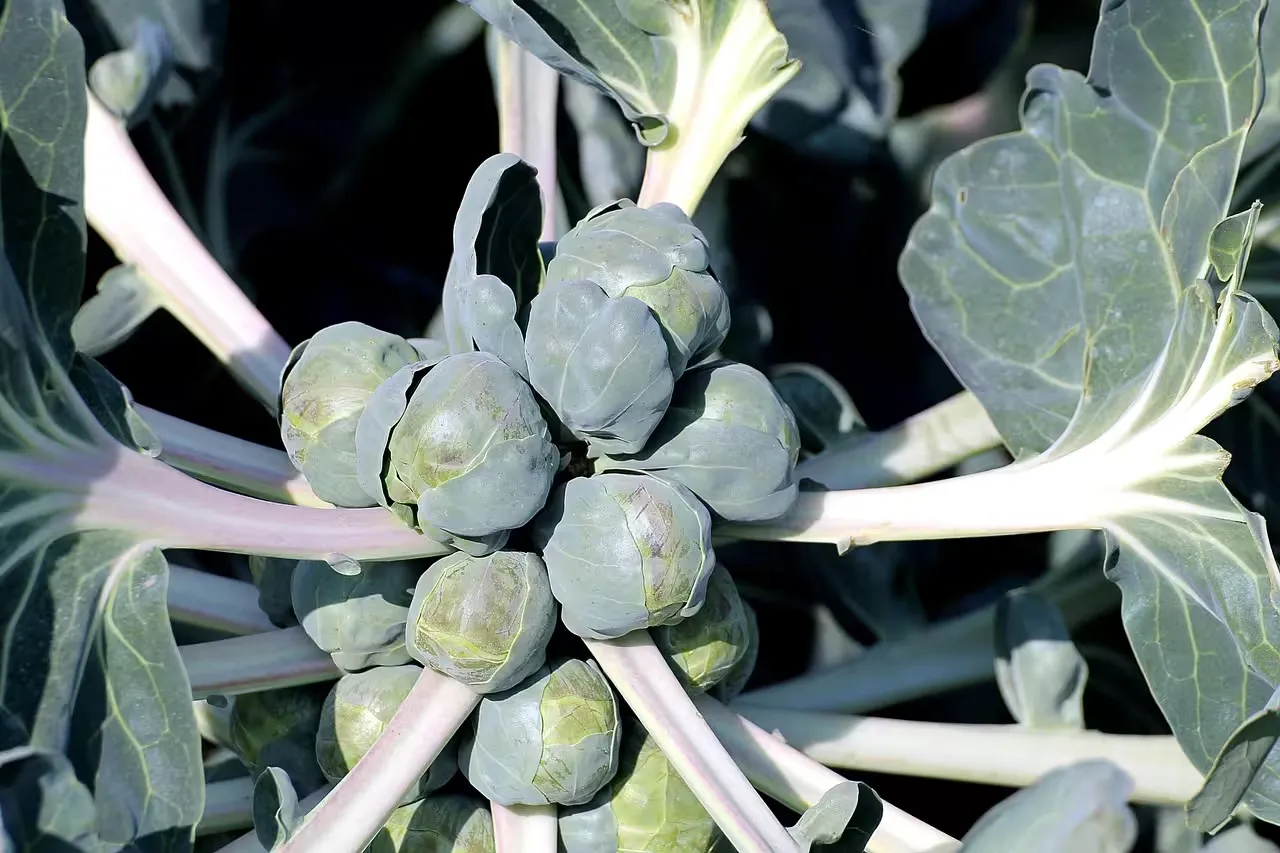
Brussels Sprouts
Brussels sprouts are a hardy winter brassica (cabbage family) that form sturdy, leafy stems often around 60–90cm tall. They produce edible mini-cabbage buds along the stem from autumn through winter. Thanks to their cold tolerance, sprouts remain productive into late winter, and frost actually improves their sweetness.
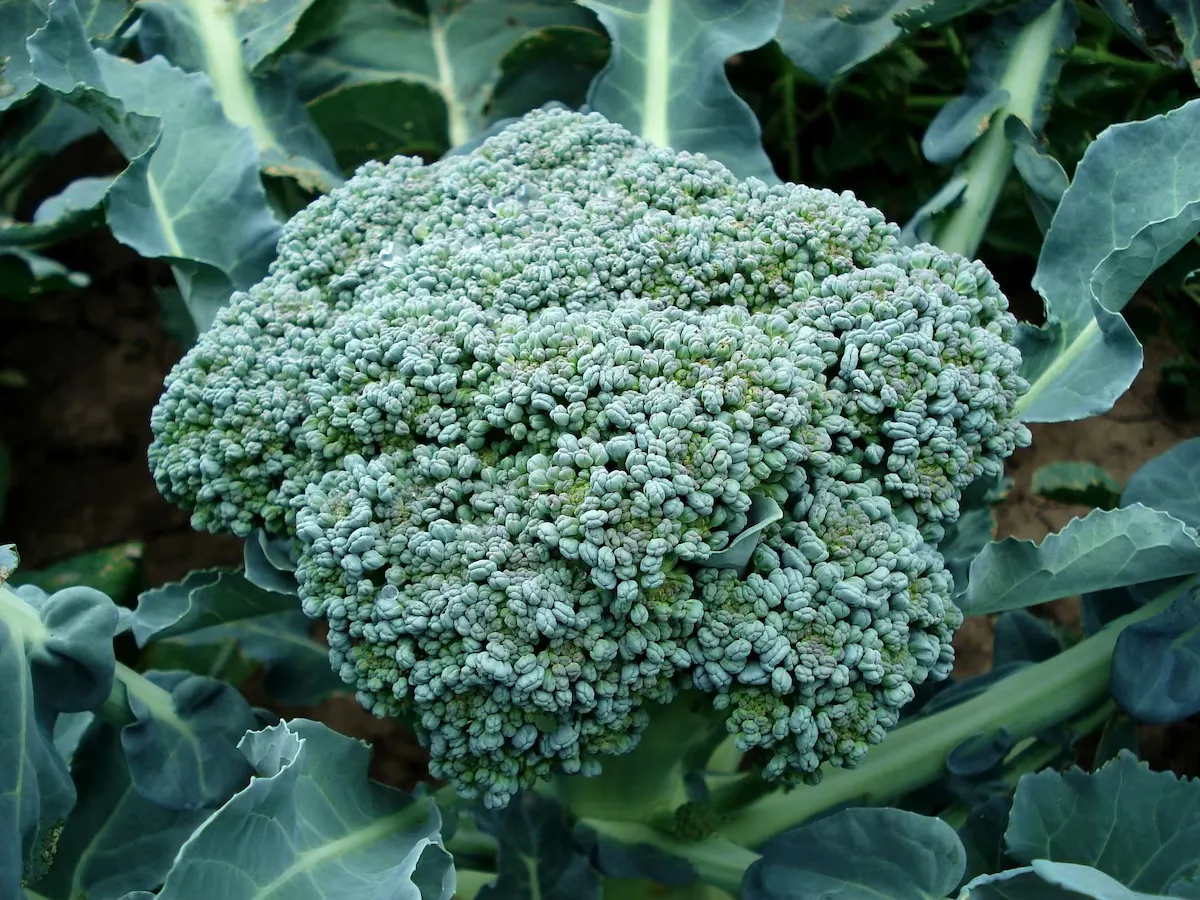
Calabrese
Calabrese (broccoli) produces a large central head of tightly-packed green buds, followed by smaller side-shoots after the main head is cut. It’s a cool-season brassica crop. Grow it in full sun with fertile, well-drained soil and keep plants watered during dry spells. Harvest the heads while firm, then leave the stem in the ground to allow side-shoots to develop.