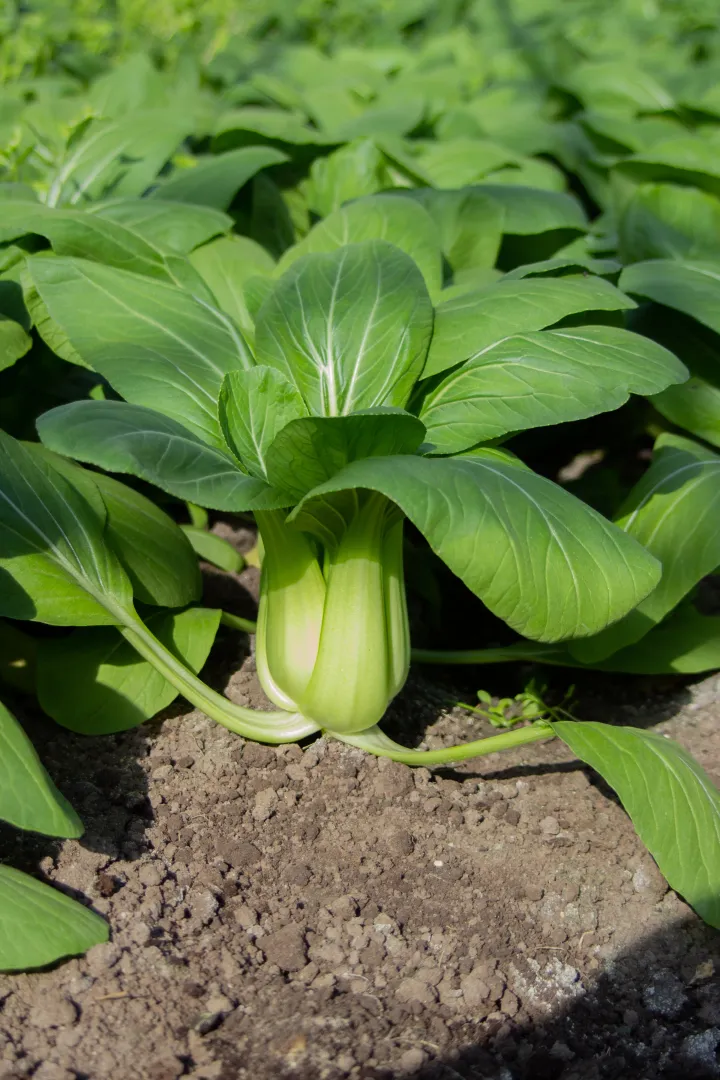
Pak Chois in Barns of Claverhouse
Brassica rapa subsp. chinensis
A quick-growing Asian brassica for the UK garden. It does best in cool, moist conditions, with regular sowings from late spring through summer and a steady supply of water to slow bolting.
Growing Guide
Step-by-step instructions for growing Pak Choi
Planting Calendar
Sow Small Batches
11 Apr – 9 Augevery 3 weeksSow thinly around 11th April - 9th August in shallow drills, then repeat every 21 days for a steady supply. Cover lightly with fine soil and keep the row moist while the seed germinates.
Thin Seedlings
20 Jun – 1 JulWhen seedlings have a couple of true leaves, thin them to one plant every . Use the thinnings in the kitchen if they are healthy, and keep the strongest plants growing on.
Protect From Pests
17 Jun – 5 AugCheck plants from 17th June for slug and snail damage, especially on soft young leaves. Use barriers, hand-picking, or pellets where needed, and keep the area tidy so pests have fewer hiding places.
Water Regularly
17 Jun – 12 OctFrom 17th June, keep the soil evenly moist so plants grow away quickly and are less likely to bolt in warm spells. Water at the base rather than over the leaves, and give a good soak whenever the top of the soil starts to dry.
Harvest Leaves or Whole Plants
10 Jul – 12 OctStart picking from 10th July once plants are firm enough to crop. Take outer leaves for cut-and-come-again harvests, or cut whole plants at soil level when they reach eating size.
Companion Plants
Tap a plant to see why it works (or doesn't) with Pak Choi.
Good companions
Plants to avoid
Why companion planting matters
Companion planting can deter pests, improve pollination, and make better use of space. Some plants confuse pests or attract beneficial insects; others improve soil or offer shade to neighbours that need it.
Suggested Varieties
Popular varieties of Pak Choi to consider
Joi Choi
A reliable green pak choi with good bolting tolerance and crisp stems.
Mei Qing Choi
A compact mini pak choi that suits smaller gardens and containers.
Green Stem
A standard green-stemmed type with quick growth and a mild flavour.
Suiho
A productive hybrid pak choi grown for uniform heads and steady cropping.
Related Plants
Explore similar plants you might like
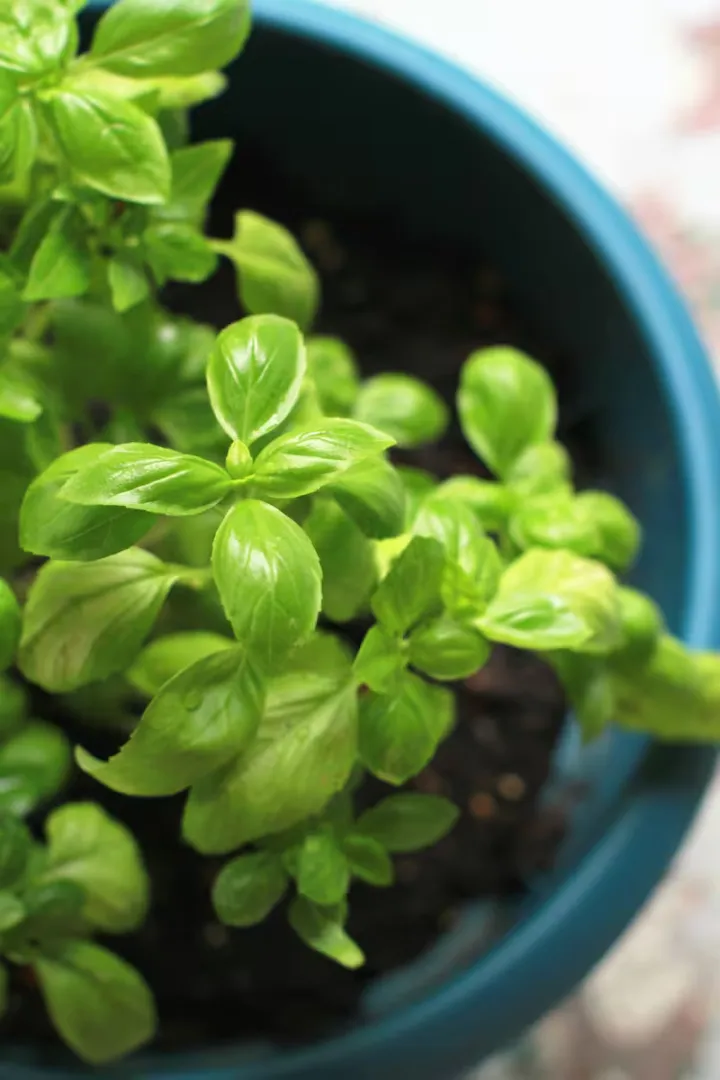
Basil
Basil is a fragrant, tender herb whose leaves are a staple of summer cooking. Native to tropical regions, basil is treated as an annual in temperate climates like the UK because it cannot tolerate frost. It thrives in warm, sunny conditions and can be grown in garden beds or pots for a steady supply of fresh, flavourful leaves throughout the summer.
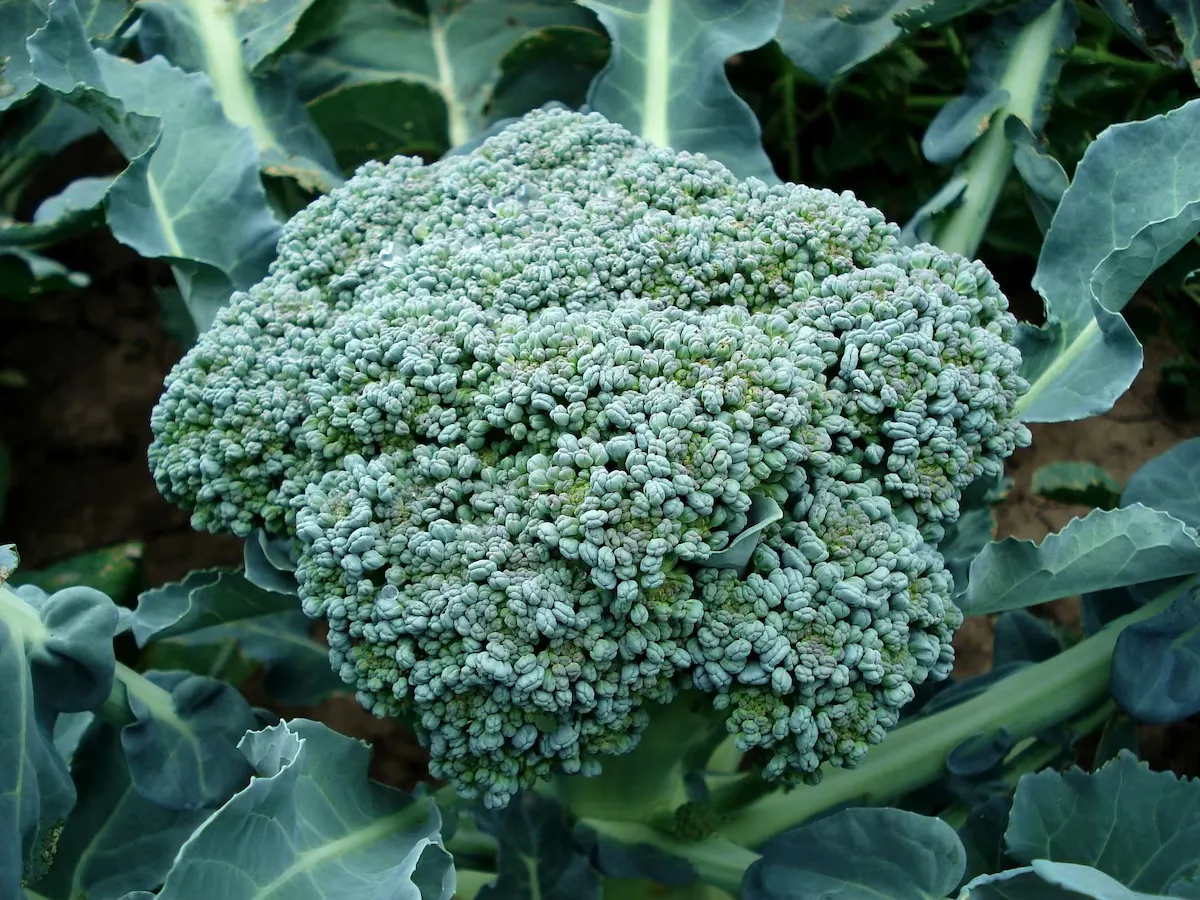
Calabrese
Calabrese (broccoli) produces a large central head of tightly-packed green buds, followed by smaller side-shoots after the main head is cut. It’s a cool-season brassica crop. Grow it in full sun with fertile, well-drained soil and keep plants watered during dry spells. Harvest the heads while firm, then leave the stem in the ground to allow side-shoots to develop.
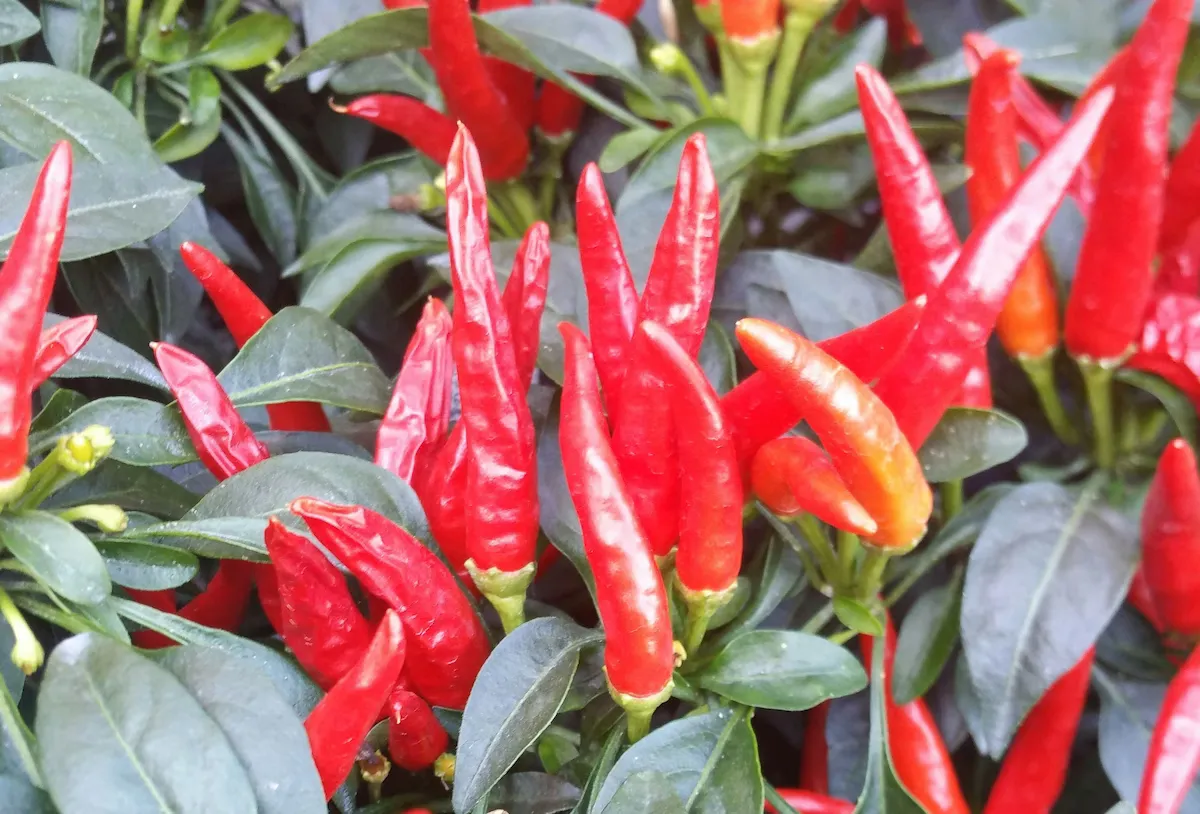
Chilli Pepper
Chilli peppers are tender perennials grown as annuals in the UK, requiring a long, warm season. They thrive in a greenhouse or a sunny, sheltered outdoor spot, producing fruits that range from mild to intensely hot depending on variety and growing conditions.