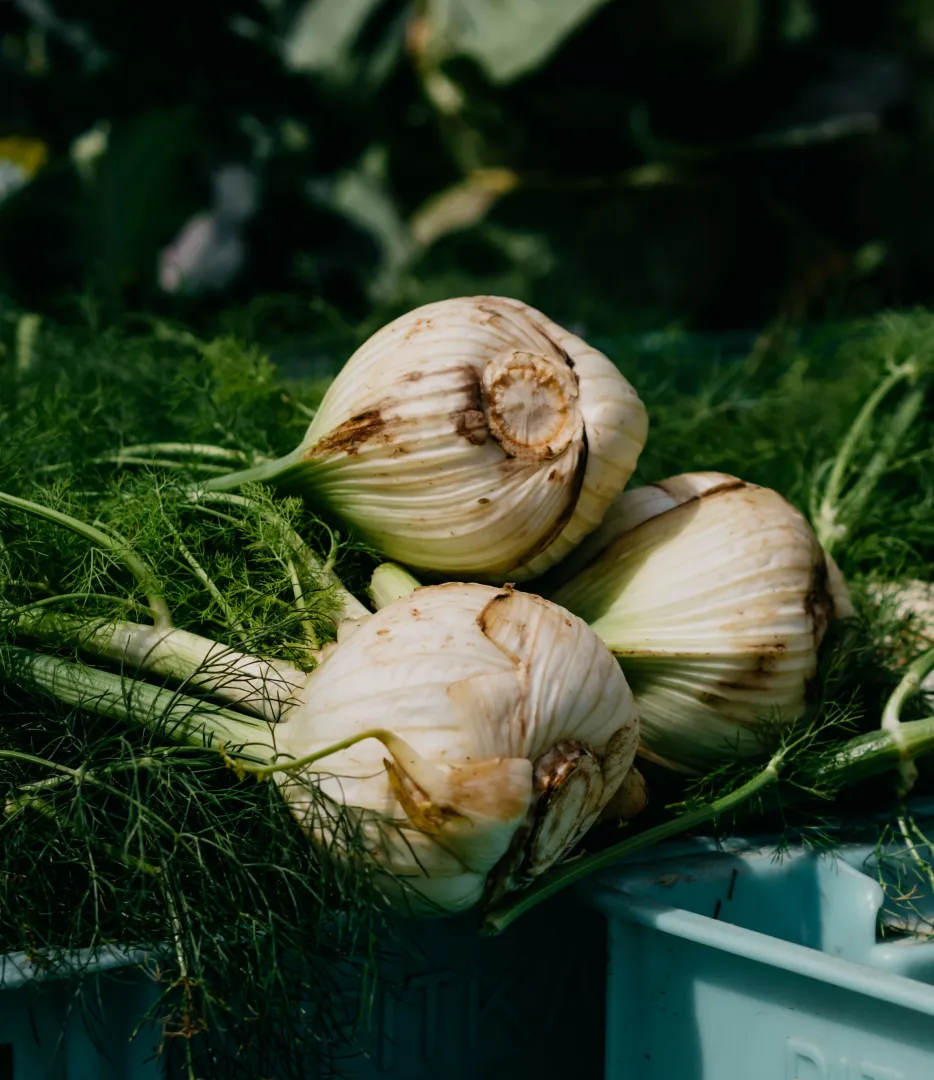
Florence Fennels in Barns of Claverhouse
Foeniculum vulgare var. azoricum
A half-hardy fennel grown for its swollen leaf bases. In the UK it does best sown from late spring into mid-summer in fertile, moisture-retentive soil, with steady watering to avoid bolting and split bulbs.
Growing Guide
Step-by-step instructions for growing Florence Fennel
Planting Calendar
Sow Seeds
11 Apr – 20 Junevery 3 weeksSow thinly from 11th April to 20th June in shallow drills, about deep. Keep the soil evenly moist and sow a fresh batch every 21 days for a longer picking season.
Thin Seedlings
26 May – 6 JunWhen seedlings are large enough to handle, from 26th May to 6th June, thin them to one plant every . Keep the strongest seedlings and remove the rest carefully so you do not disturb the roots.
Water and Mulch
6 Jun – 12 Octevery 2 weeksFrom 6th June to 12th October, water regularly so the soil stays evenly moist, especially in dry spells. Mulch around plants to hold moisture and slow bolting, but keep the base of the swollen stems clear.
Harvest Bulbs
8 Aug – 12 OctStart cutting from 8th August once the bulbs are firm and well swollen. Lift or cut them as needed through 12th October, before plants become woody or start to run to seed.
Companion Plants
Tap a plant to see why it works (or doesn't) with Florence Fennel.
Good companions
Plants to avoid
Why companion planting matters
Companion planting can deter pests, improve pollination, and make better use of space. Some plants confuse pests or attract beneficial insects; others improve soil or offer shade to neighbours that need it.
Suggested Varieties
Popular varieties of Florence Fennel to consider
Perfection
A reliable maincrop type with good-sized bulbs and a steady crop in the UK.
Cantino
A compact hybrid that bulks up fairly evenly and suits smaller plots.
Romanesco
A popular open-pollinated type with crisp, rounded bulbs and good flavour.
Solaris
A bolt-tolerant hybrid that performs well where summers turn dry and hot.
Related Plants
Explore similar plants you might like
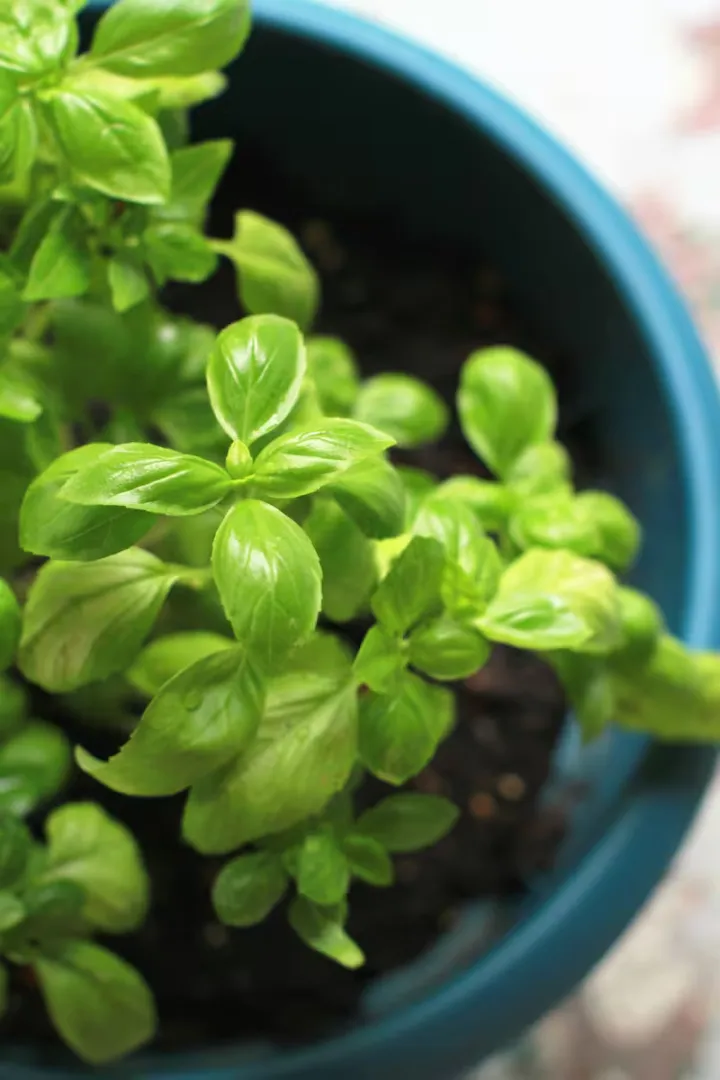
Basil
Basil is a fragrant, tender herb whose leaves are a staple of summer cooking. Native to tropical regions, basil is treated as an annual in temperate climates like the UK because it cannot tolerate frost. It thrives in warm, sunny conditions and can be grown in garden beds or pots for a steady supply of fresh, flavourful leaves throughout the summer.
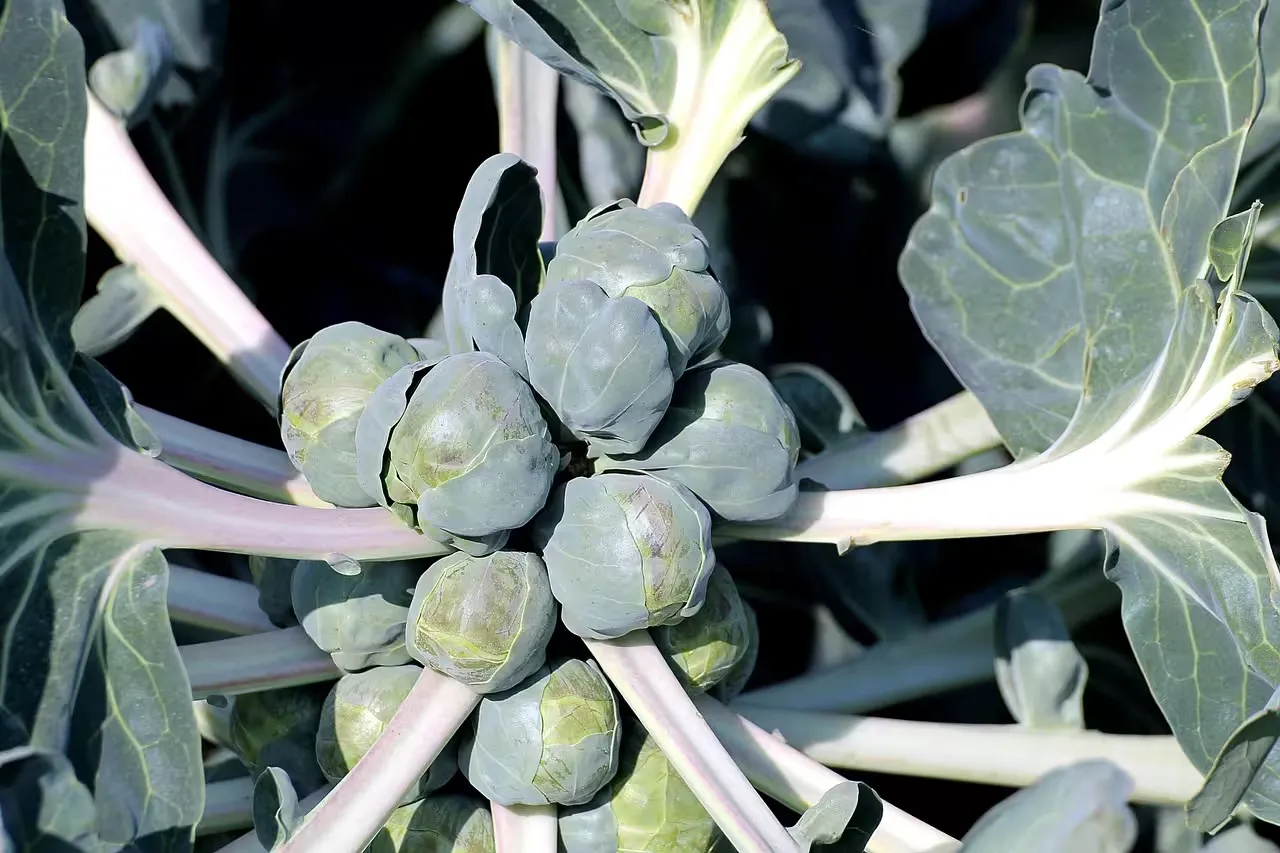
Brussels Sprouts
Brussels sprouts are a hardy winter brassica (cabbage family) that form sturdy, leafy stems often around 60–90cm tall. They produce edible mini-cabbage buds along the stem from autumn through winter. Thanks to their cold tolerance, sprouts remain productive into late winter, and frost actually improves their sweetness.
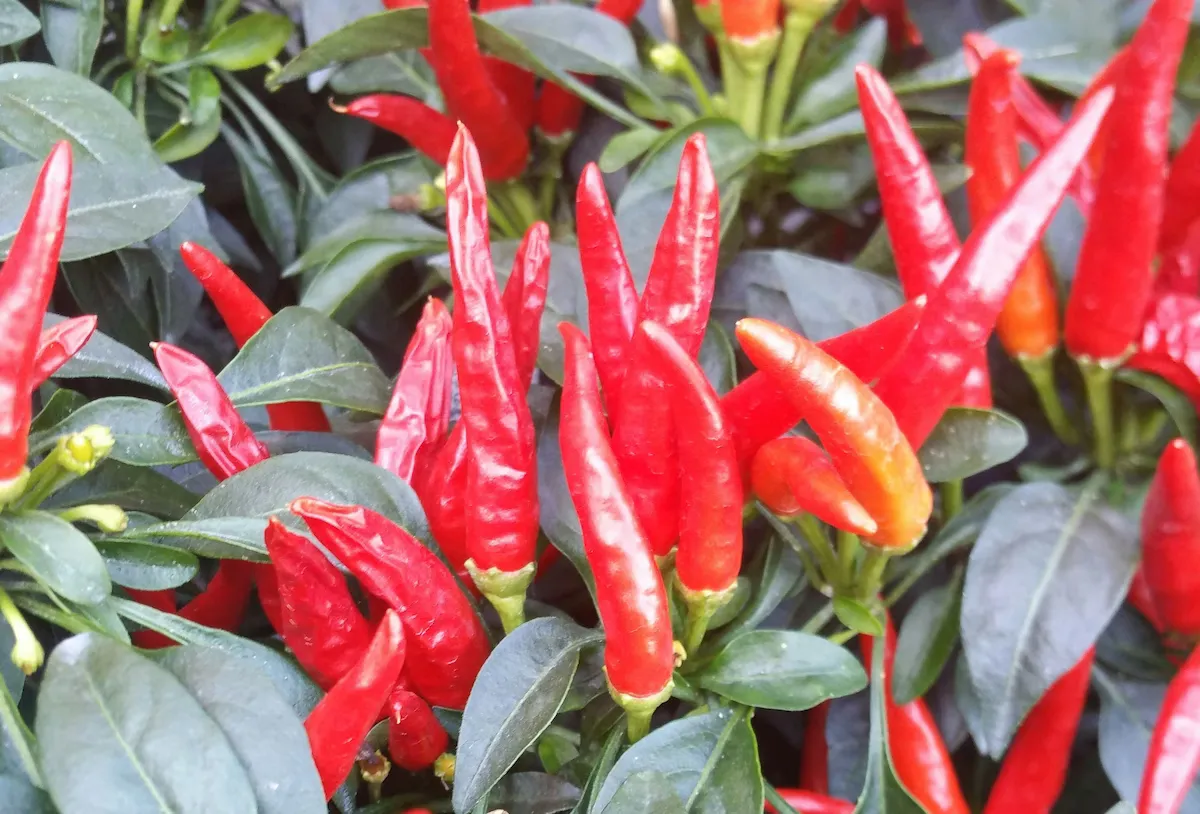
Chilli Pepper
Chilli peppers are tender perennials grown as annuals in the UK, requiring a long, warm season. They thrive in a greenhouse or a sunny, sheltered outdoor spot, producing fruits that range from mild to intensely hot depending on variety and growing conditions.