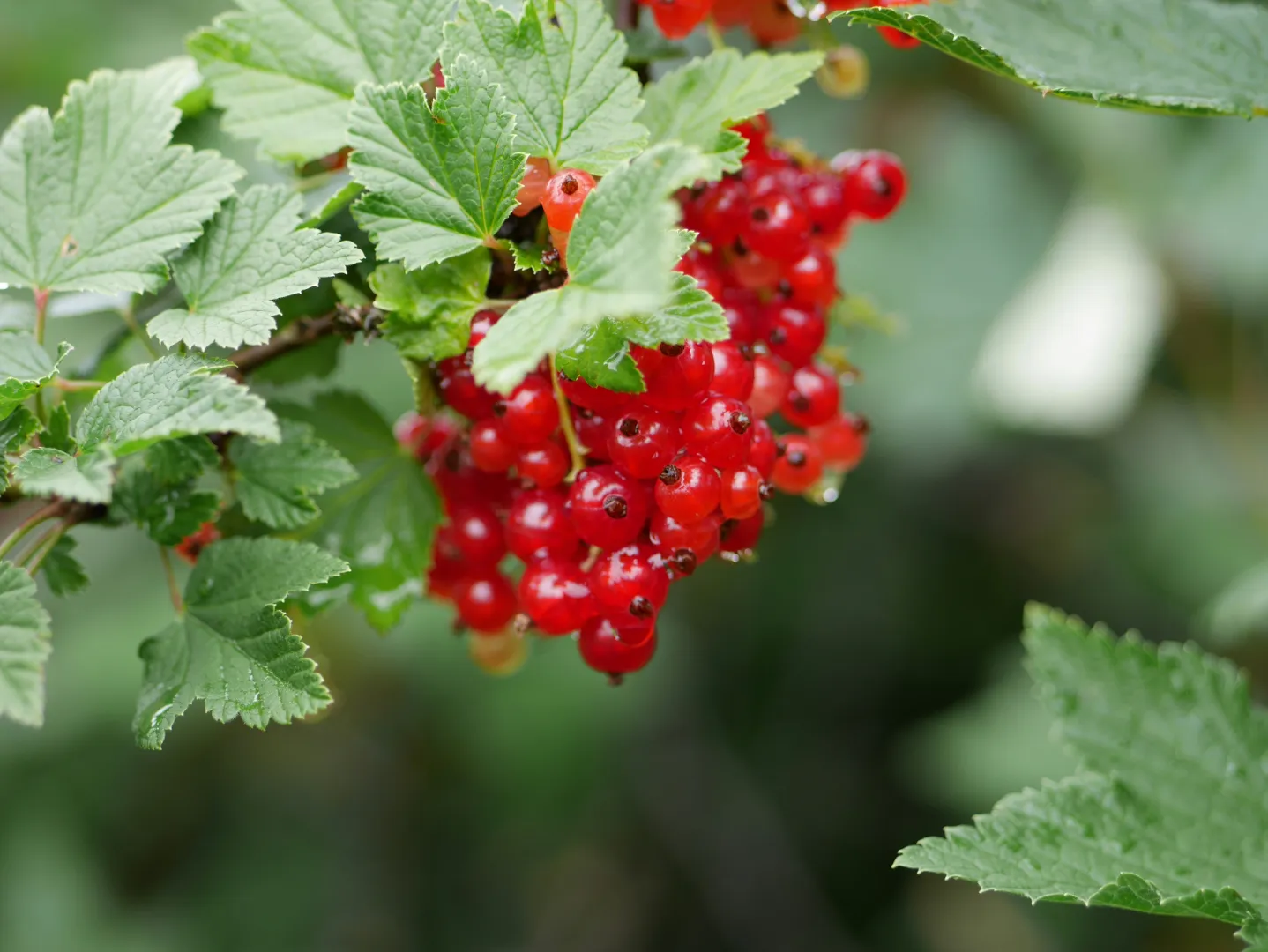
Redcurrants in Barnhill
Ribes rubrum
A hardy fruit bush for a sunny or lightly shaded spot in the UK. Plant bare-root bushes while dormant, keep the soil evenly moist, and mulch well each spring to support a reliable summer crop.
Growing Guide
Step-by-step instructions for growing Redcurrant
Planting Calendar
Plant Bare-root Bushes
10 Nov – 20 MarPlant bare-root bushes while they are dormant around 10th November - 20th March in well-prepared soil enriched with garden compost. Set the bush at the same depth it was growing before, firm it in well, and water in thoroughly straight away.
Keep Moist
14 Jan – 14 MayWater the bush regularly through 14th January - 14th May, especially in dry spells and on lighter soil. Keep the root zone evenly moist while it establishes, but don't leave the ground sodden.
Mulch and Feed
12 Feb – 14 Marevery 365 daysMulch around the base around 12th February - 14th March with well-rotted manure or compost, leaving a clear gap around the stems. A spring mulch helps hold moisture, suppress weeds, and support the next crop.
Protect from Birds
13 May – 28 MayPut netting over the bush from 13th May before the fruit starts to colour. Birds can strip a ripe crop very quickly, so make sure the net is secure and doesn't sit on the branches.
Harvest Berries
7 Jun – 12 JulPick the trusses regularly from 7th June once the berries are fully red and come away easily. Harvest over 7th June - 12th July as the fruit ripens unevenly, and use shallow containers so the berries do not crush.
Winter Prune
13 Jan – 12 FebPrune in 13th January - 12th February to keep the bush open and productive. Remove a few of the oldest stems at the base, then shorten crowded shoots to an open goblet shape so light and air reach the centre.
Companion Plants
Tap a plant to see why it works (or doesn't) with Redcurrant.
Good companions
Plants to avoid
Why companion planting matters
Companion planting can deter pests, improve pollination, and make better use of space. Some plants confuse pests or attract beneficial insects; others improve soil or offer shade to neighbours that need it.
Suggested Varieties
Popular varieties of Redcurrant to consider
Rovada
A widely grown late redcurrant with long trusses and good flavour. It is a dependable choice for home gardens and crops well in a sunny, sheltered spot.
Jonkheer van Tets
An early redcurrant with long, bright red trusses. It is a good garden variety where you want an earlier harvest.
Red Lake
A strong-growing redcurrant with reliable crops and good-sized berries. It suits the UK climate well and is often grown in gardens as a general-purpose variety.
Related Plants
Explore similar plants you might like
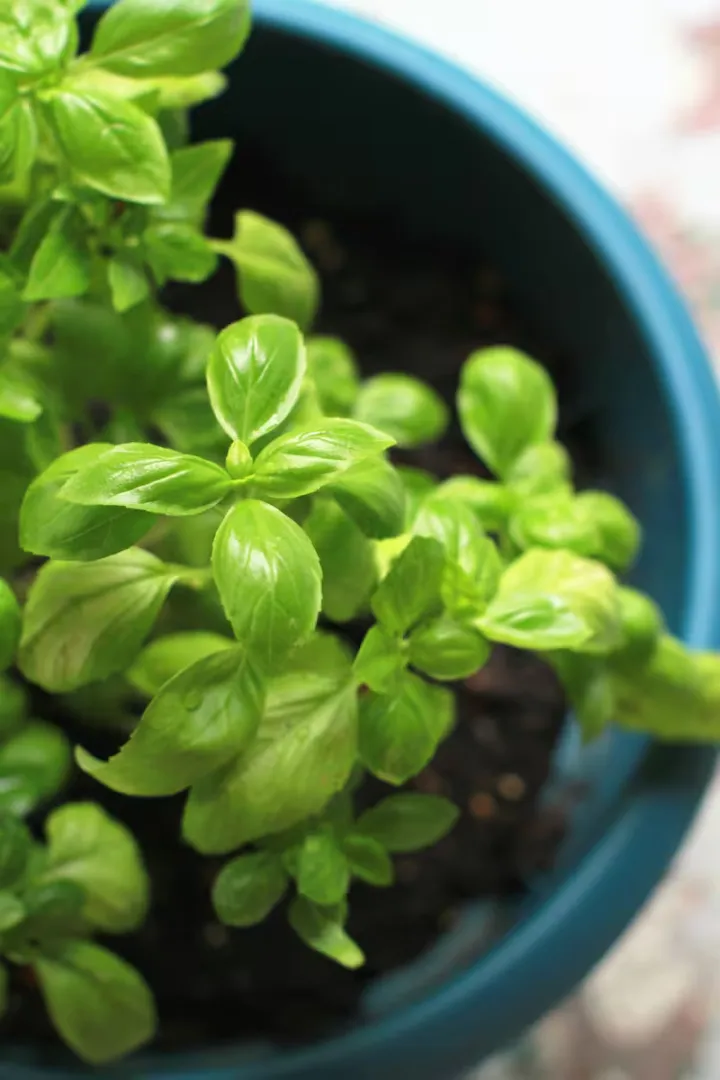
Basil
Basil is a fragrant, tender herb whose leaves are a staple of summer cooking. Native to tropical regions, basil is treated as an annual in temperate climates like the UK because it cannot tolerate frost. It thrives in warm, sunny conditions and can be grown in garden beds or pots for a steady supply of fresh, flavourful leaves throughout the summer.
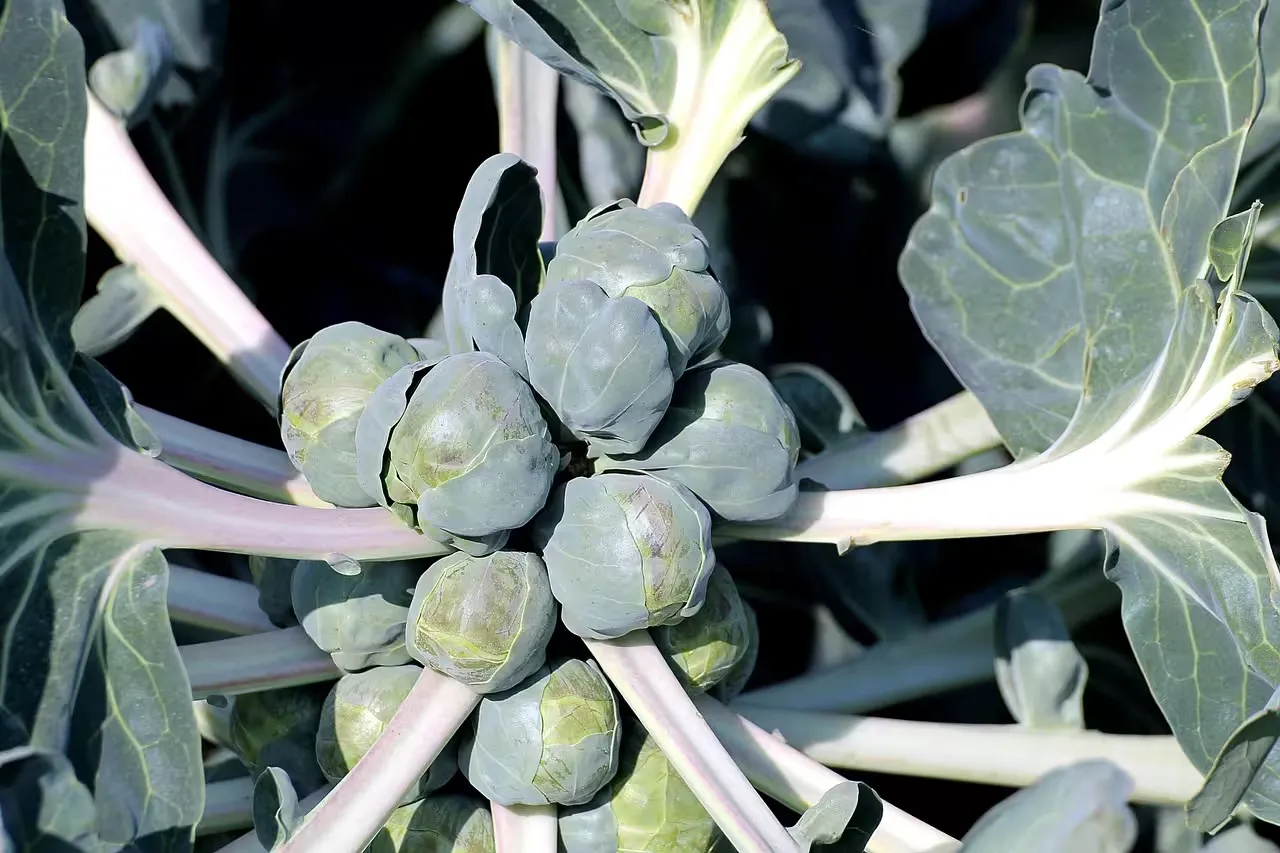
Brussels Sprouts
Brussels sprouts are a hardy winter brassica (cabbage family) that form sturdy, leafy stems often around 60–90cm tall. They produce edible mini-cabbage buds along the stem from autumn through winter. Thanks to their cold tolerance, sprouts remain productive into late winter, and frost actually improves their sweetness.
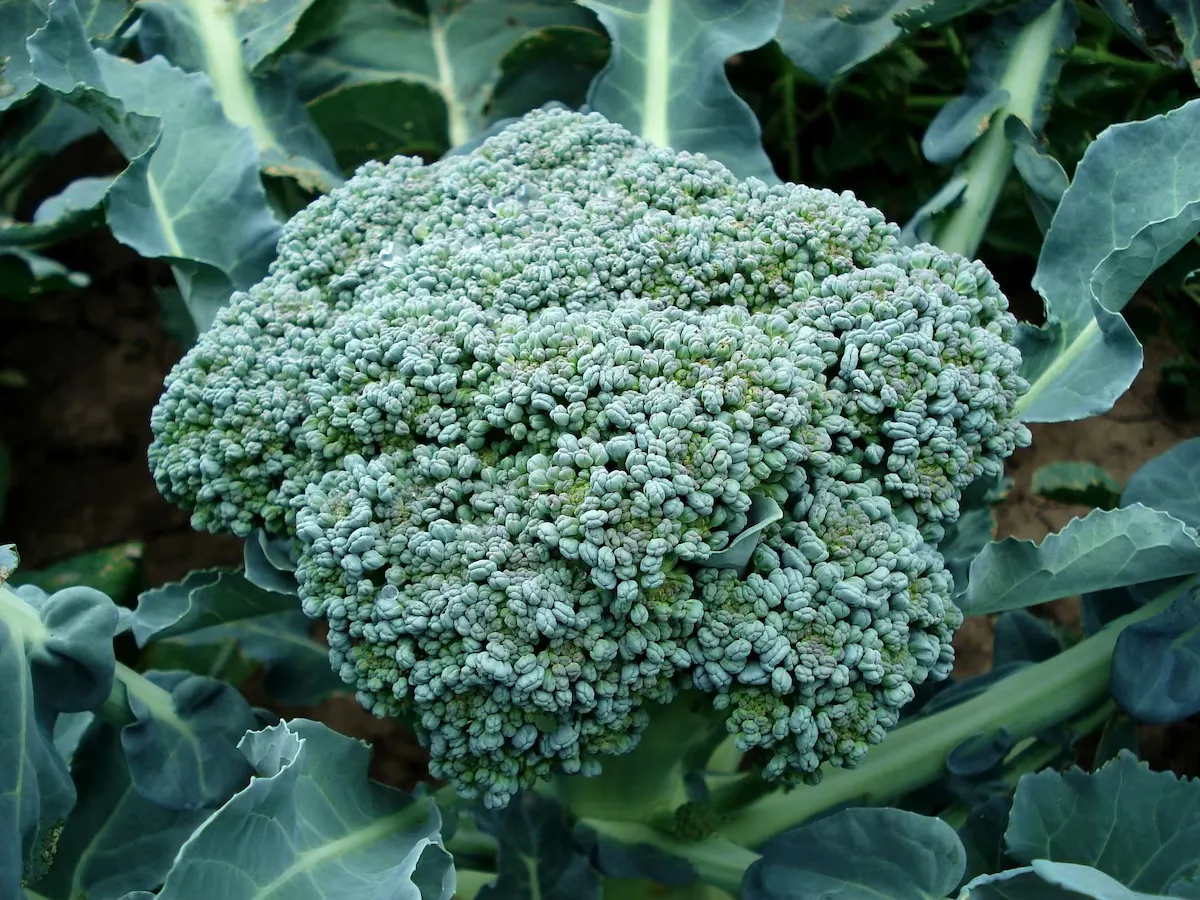
Calabrese
Calabrese (broccoli) produces a large central head of tightly-packed green buds, followed by smaller side-shoots after the main head is cut. It’s a cool-season brassica crop. Grow it in full sun with fertile, well-drained soil and keep plants watered during dry spells. Harvest the heads while firm, then leave the stem in the ground to allow side-shoots to develop.
Also in nearby towns
See how Redcurrant timing shifts in other towns with different frost dates.