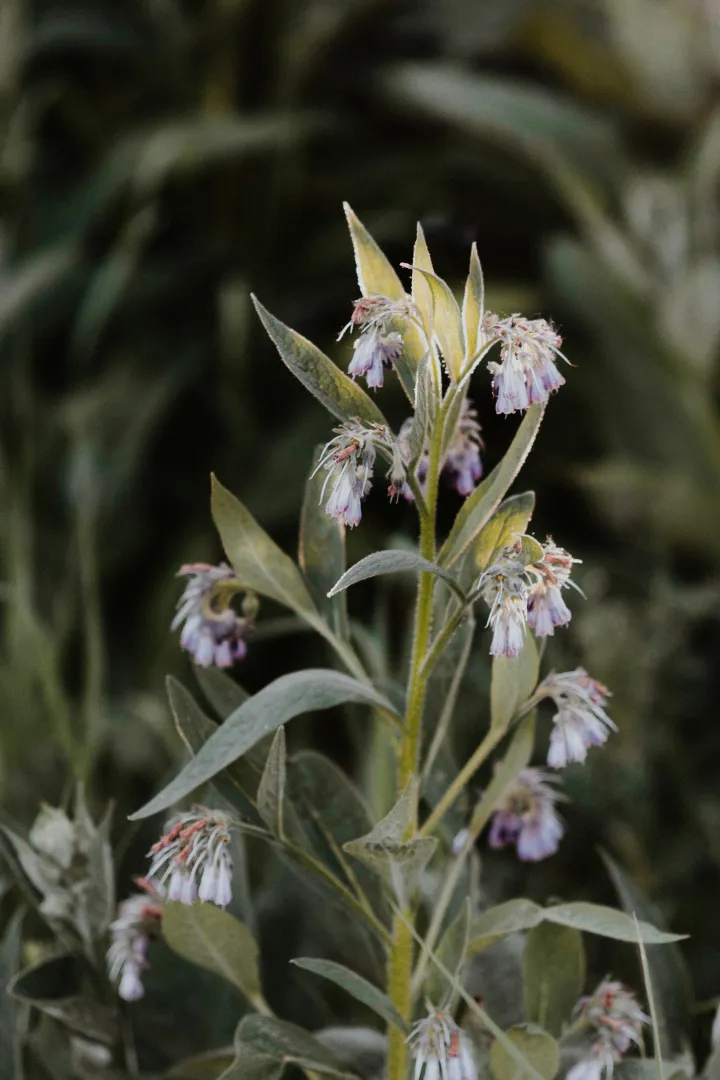
Comfreys in Barnhill
Symphytum officinale
A hardy perennial for a permanent UK garden bed. It grows best in moist, fertile soil and is usually planted from crowns or bare roots in spring, then cut back for feed a few times each year once established.
Growing Guide
Step-by-step instructions for growing Comfrey
Planting Calendar
Prepare the Bed
14 Mar – 27 AprClear the site of perennial weeds and dig in plenty of well-rotted compost or manure before planting. Work the soil to a fine tilth and leave it settled for 14th March - 27th April so the bed is ready for a long-term planting.
Plant Crowns
30 Mar – 11 MayPlant dormant crowns or bare roots once the ground is workable, setting them at depth. Space them apart, then water in well straight after planting.
Keep Weed Free
20 Apr – 18 AugKeep the bed clear of weeds and water during dry spells through 20th April - 18th August while the roots settle in. Do not cut any growth in the first year, let the foliage build the root crown for future harvests.
Top-Dress
30 Mar – 13 Aprevery 365 daysTop-dress the crown area with compost or a balanced organic feed as new growth starts. Repeat once a year from 30th March for steady leafy growth and better cutting the following season.
Harvest Leaves
13 Apr – 11 AugCut young leaves and stems for feed from 13th April once the plant is established. Take only a few cuts over 13th April - 11th August, then stop so the plant can rebuild its crown for next year.
Cut Back
7 Oct – 4 NovAfter the first frosts, cut the dying foliage down to ground level and clear away debris from 7th October - 4th November. This helps keep the planting tidy and reduces places where pests can overwinter.
Companion Plants
Tap a plant to see why it works (or doesn't) with Comfrey.
Good companions
Plants to avoid
Why companion planting matters
Companion planting can deter pests, improve pollination, and make better use of space. Some plants confuse pests or attract beneficial insects; others improve soil or offer shade to neighbours that need it.
Suggested Varieties
Popular varieties of Comfrey to consider
Bocking 14
A common sterile Russian comfrey selection, widely used in UK gardens for leaf production and as a mulch crop.
Bocking 4
A well-known comfrey selection grown for vigorous leafy growth and frequent cutting for compost or liquid feed.
Related Plants
Explore similar plants you might like
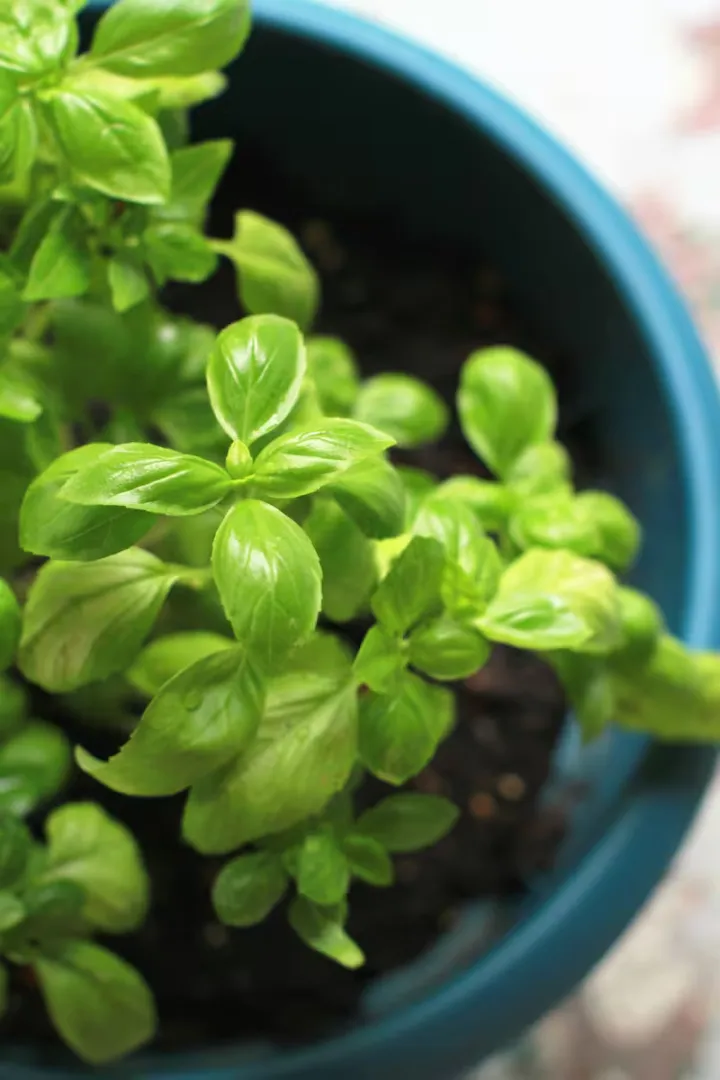
Basil
Basil is a fragrant, tender herb whose leaves are a staple of summer cooking. Native to tropical regions, basil is treated as an annual in temperate climates like the UK because it cannot tolerate frost. It thrives in warm, sunny conditions and can be grown in garden beds or pots for a steady supply of fresh, flavourful leaves throughout the summer.
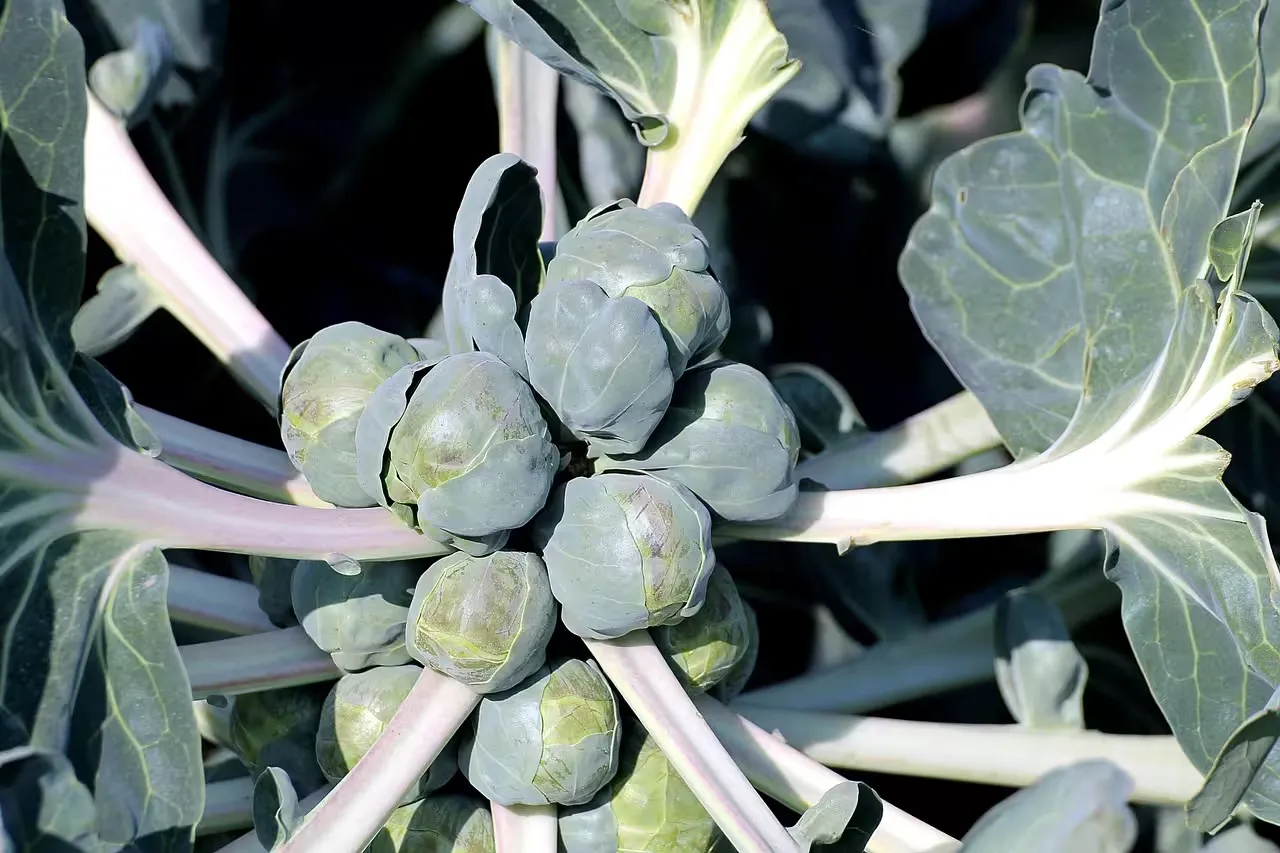
Brussels Sprouts
Brussels sprouts are a hardy winter brassica (cabbage family) that form sturdy, leafy stems often around 60–90cm tall. They produce edible mini-cabbage buds along the stem from autumn through winter. Thanks to their cold tolerance, sprouts remain productive into late winter, and frost actually improves their sweetness.
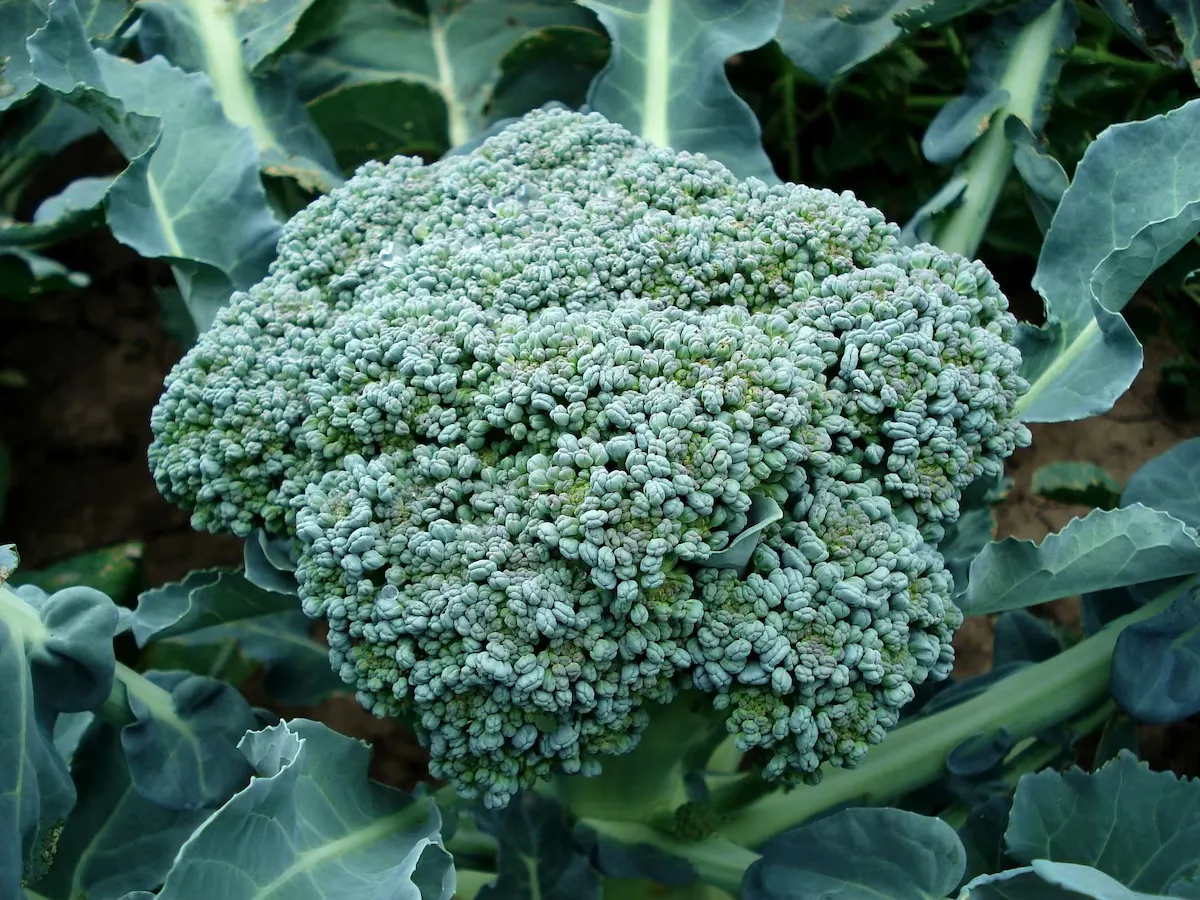
Calabrese
Calabrese (broccoli) produces a large central head of tightly-packed green buds, followed by smaller side-shoots after the main head is cut. It’s a cool-season brassica crop. Grow it in full sun with fertile, well-drained soil and keep plants watered during dry spells. Harvest the heads while firm, then leave the stem in the ground to allow side-shoots to develop.
Also in nearby towns
See how Comfrey timing shifts in other towns with different frost dates.