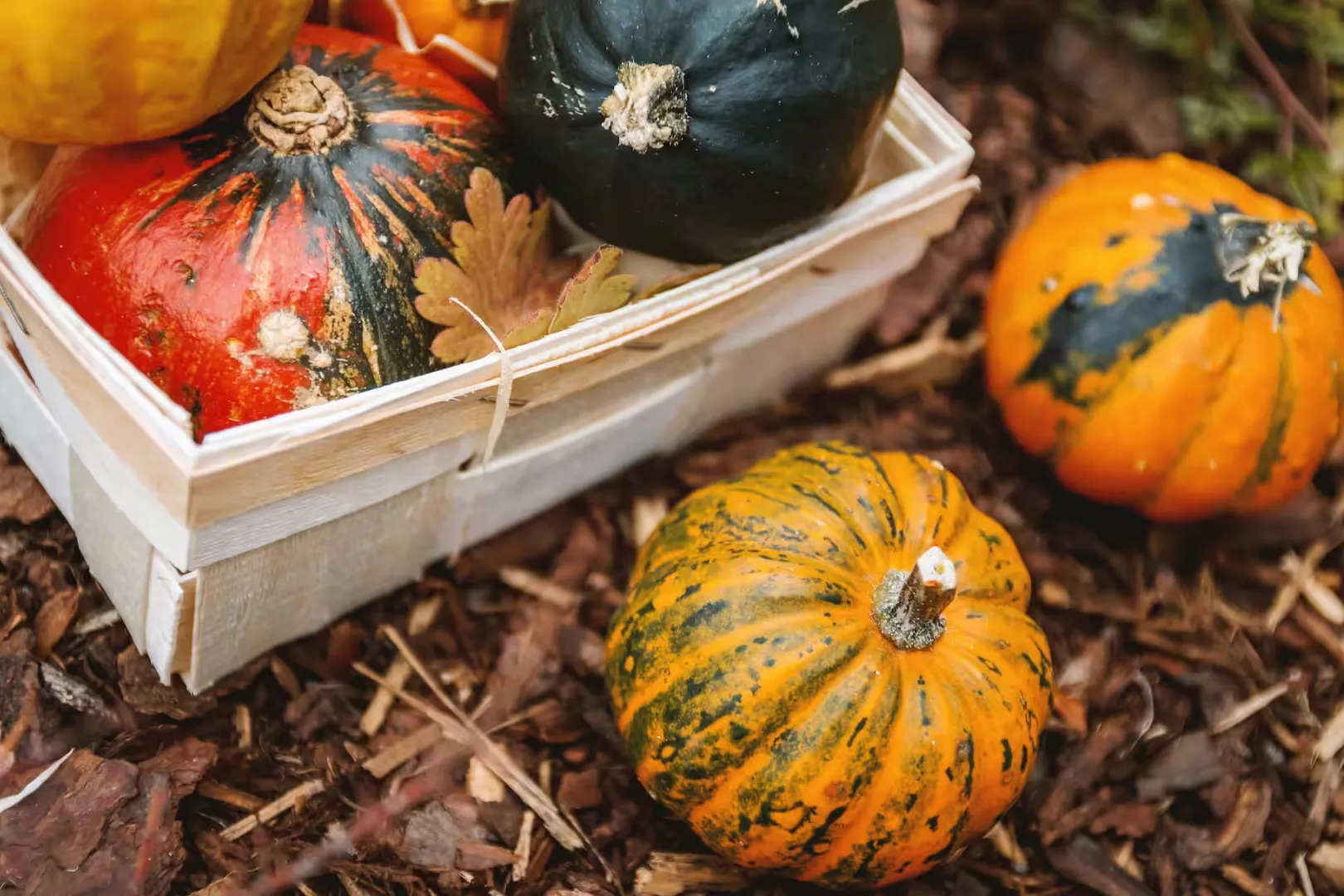
Squashes in Barkston Ash
Cucurbita spp.
Squash come in summer and winter types, offering versatile fruits from tender courgette-like harvests to hard-skinned varieties that store through winter. They're vigorous plants that love sun and rich soil, producing colourful, flavourful crops perfect for roasting, soups, or stuffing. With trailing or compact options, there's a squash for every garden size.
Growing Guide
Step-by-step instructions for growing Squash
Planting Calendar
Growing Guide for
Change the guide to see different planting timelines and tips.
Traditional method for larger winter squashes like butternut or crown prince, allowing vines to spread for maximum yield in open ground.
Start Seeds Indoors
9 Feb – 2 MarFill pots with peat-free seed compost and sow seeds on their side about deep. Keep them warm until they germinate, then grow on in a bright spot.
Care for Seedlings
19 Feb – 26 MarWater your young squash plants regularly to keep the compost moist, and pot them on into larger containers if roots fill the pot.
Harden Off Seedlings
30 Mar – 6 AprGradually accustom your squash plants to outdoor conditions by placing them outside for increasing time each day over a week or two.
Transplant Outdoors
6 Apr – 20 AprOnce the risk of frost has passed in Barkston Ash, plant out into rich, well-prepared soil in full sun, spacing apart depending on variety.
Ongoing Care
13 Apr – 11 AugKeep plants well watered, especially during dry spells, and mulch around them to retain moisture. Feed every couple of weeks with a high-potash feed once fruits start to swell.
Train and Prune
13 May – 12 JulAllow vines to trail naturally, or pinch out growing tips once 4-6 fruits have set to direct energy into ripening them.
Harvest Fruits
9 Oct – 2 NovCut mature squashes with a sharp knife, leaving a short stem, when skins are hard and leaves start to die back before first frosts.
Companion Plants
Tap a plant to see why it works (or doesn't) with Squash.
Good companions
Plants to avoid
Why companion planting matters
Companion planting can deter pests, improve pollination, and make better use of space. Some plants confuse pests or attract beneficial insects; others improve soil or offer shade to neighbours that need it.
Related Plants
Explore similar plants you might like
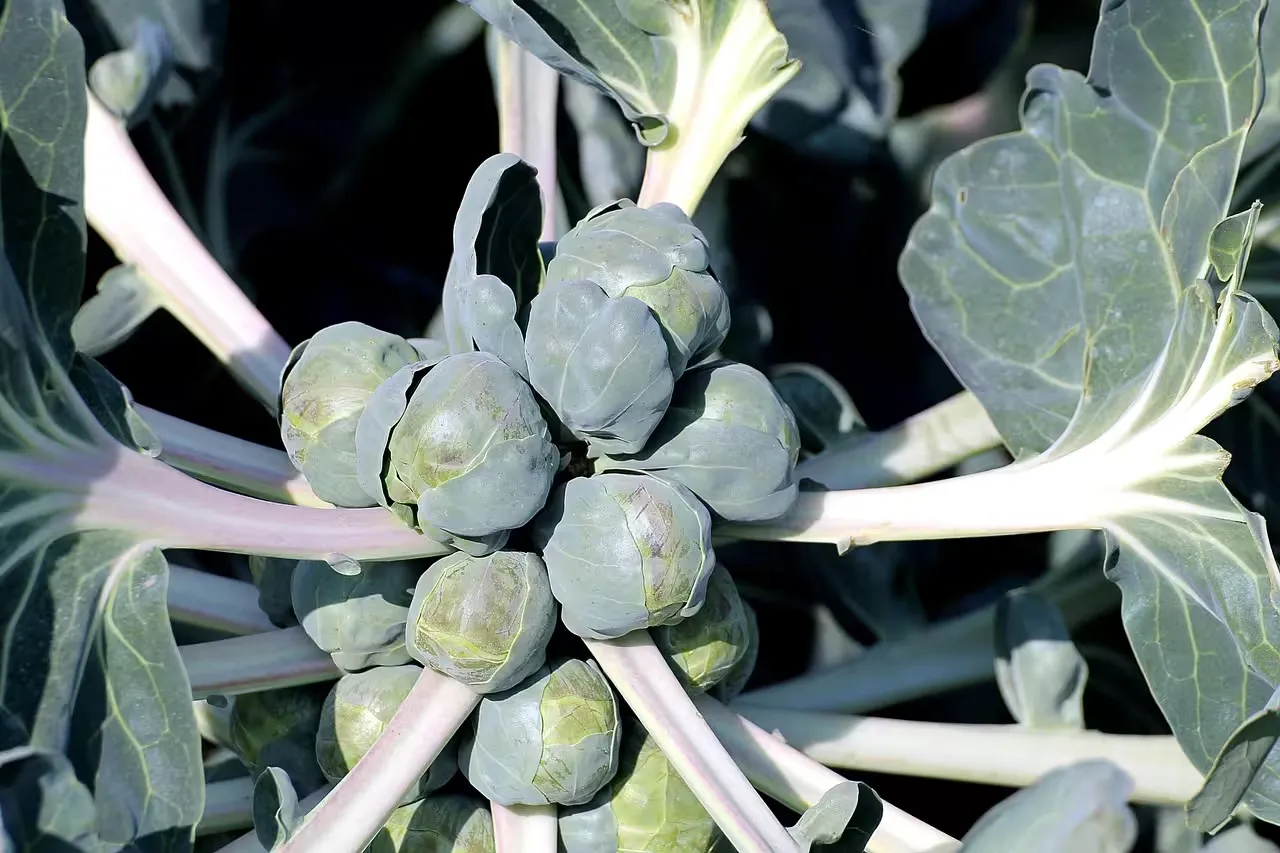
Brussels Sprouts
Brussels sprouts are a hardy winter brassica (cabbage family) that form sturdy, leafy stems often around 60–90cm tall. They produce edible mini-cabbage buds along the stem from autumn through winter. Thanks to their cold tolerance, sprouts remain productive into late winter, and frost actually improves their sweetness.
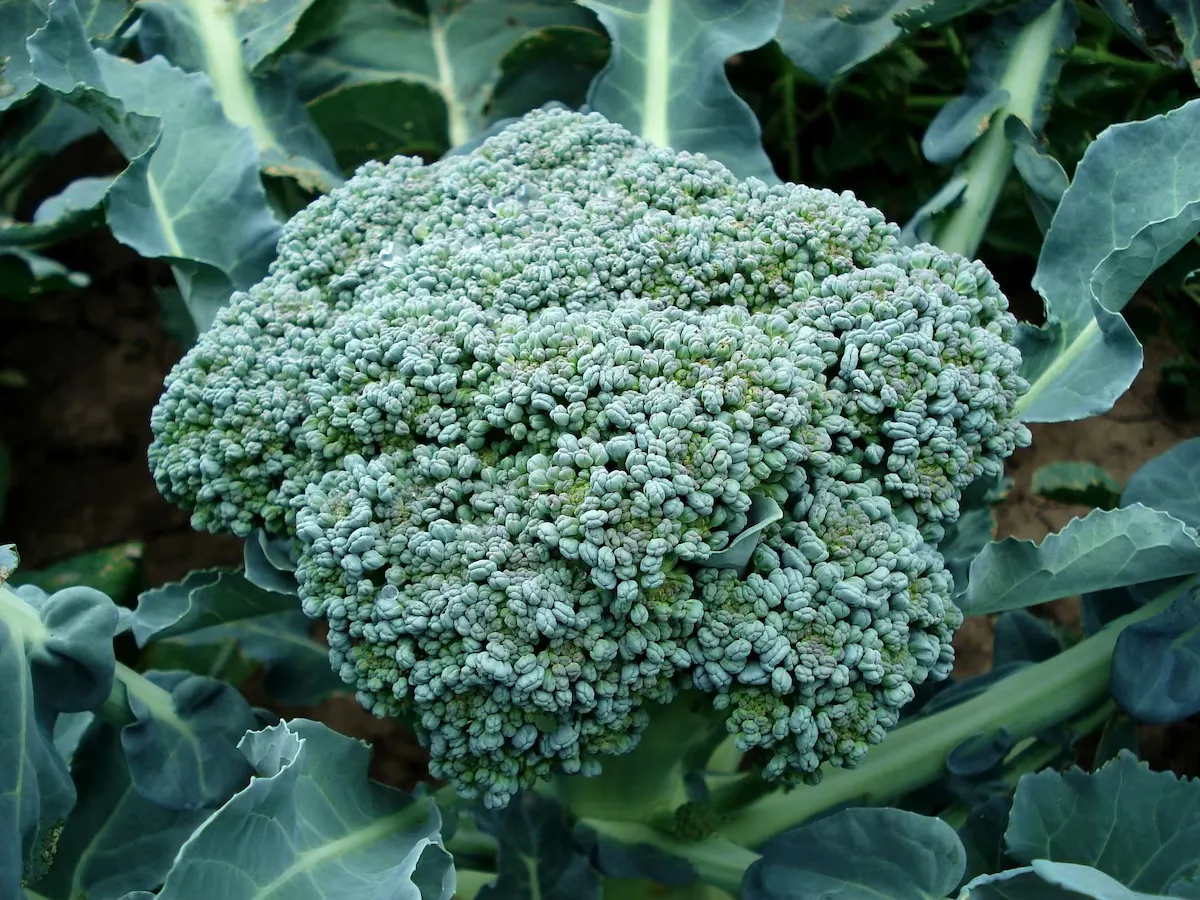
Calabrese
Calabrese (broccoli) produces a large central head of tightly-packed green buds, followed by smaller side-shoots after the main head is cut. It’s a cool-season brassica crop. Grow it in full sun with fertile, well-drained soil and keep plants watered during dry spells. Harvest the heads while firm, then leave the stem in the ground to allow side-shoots to develop.
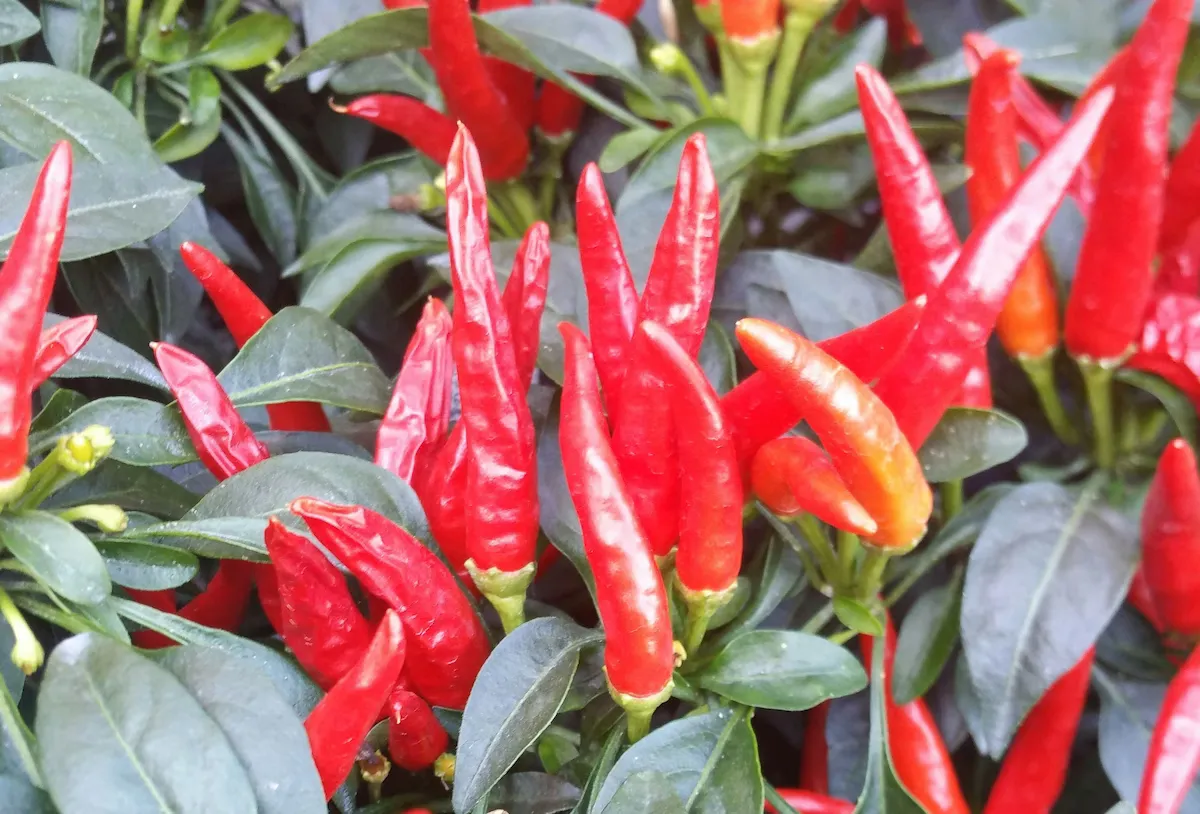
Chilli Pepper
Chilli peppers are tender perennials grown as annuals in the UK, requiring a long, warm season. They thrive in a greenhouse or a sunny, sheltered outdoor spot, producing fruits that range from mild to intensely hot depending on variety and growing conditions.
Also in nearby towns
See how Squash timing shifts in other towns with different frost dates.