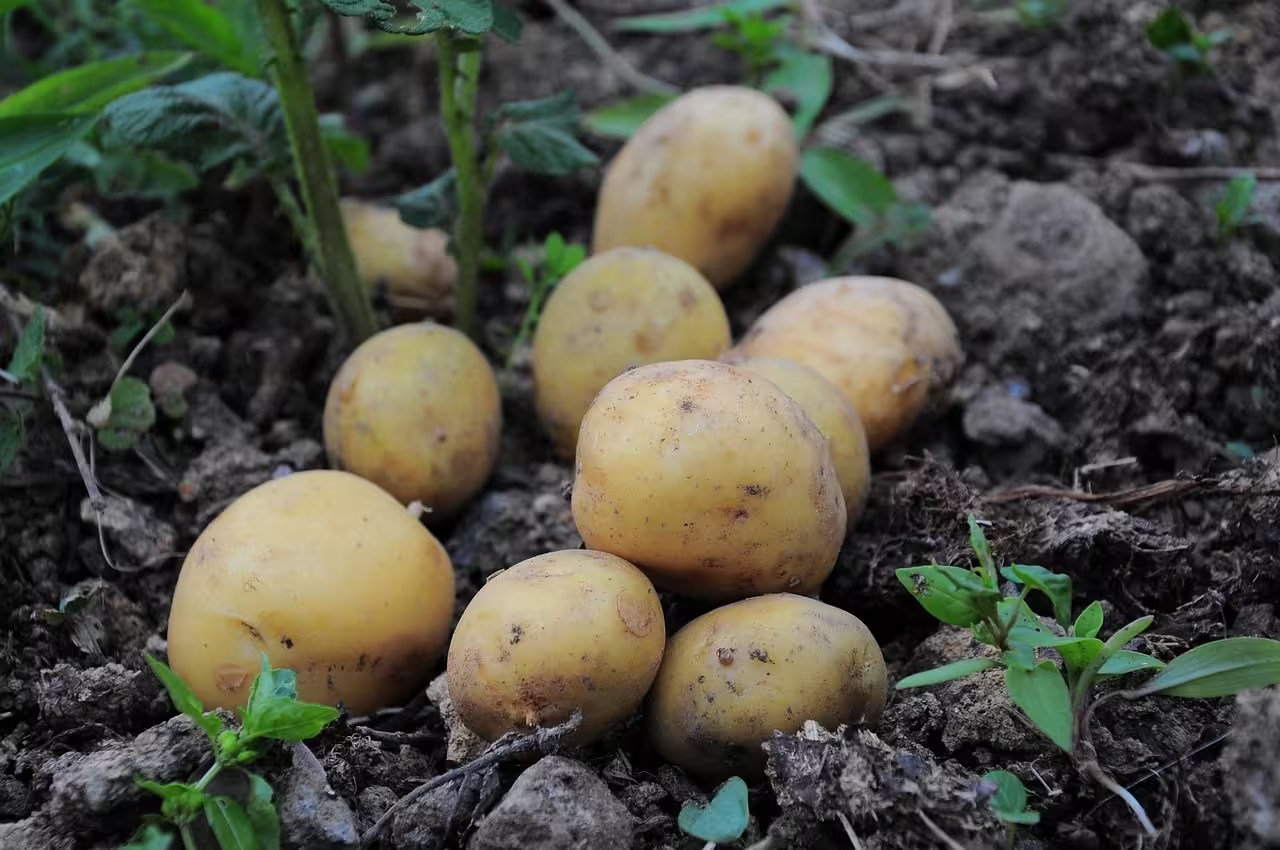
Potatoes in Balthangie
Solanum tuberosum
A staple root vegetable grown from seed potatoes, producing tubers underground. In the UK, potatoes are classified as first earlies, second earlies, or maincrop, each with different planting and harvesting times. They thrive in well-drained soil and full sun, and require earthing up to protect tubers from light.
Growing Guide
Step-by-step instructions for growing Potato
Planting Calendar
Growing Guide for
Change the guide to see different planting timelines and tips.
Grow maincrop potatoes for a larger yield that stores well through winter. Plant in spring and leave in the ground until autumn.
Chit Seed Potatoes
11 Feb – 25 FebPlace seed potatoes eyes-up in egg boxes in a cool, light place from 11th February - 25th February. This encourages sturdy shoots over 4–6 weeks before planting.
Plant Outdoors
11 Mar – 8 AprPlant chitted potatoes in trenches or containers from 11th March - 8th April. Space them apart and cover with of soil. They can tolerate a light frost once established.
Earth Up
15 Apr – 17 JunDraw soil up around the stems as they grow from 15th April - 17th June. This prevents tubers turning green and toxic. Build the mound to about high over several weeks.
Water and Feed
29 Apr – 8 Julevery 3 weeksWater regularly to keep the soil moist, especially during dry spells from 29th April - 8th July. Apply a high-potash feed every 21 days to encourage tuber development.
Harvest Maincrop
23 Jul – 20 NovHarvest from 23rd July - 20th November after the foliage has completely died back. Leave the tubers in the ground for a few weeks after this to set the skins for storage. Lift carefully with a fork and store in a cool, dark place.
Companion Plants
Tap a plant to see why it works (or doesn't) with Potato.
Good companions
Plants to avoid
Why companion planting matters
Companion planting can deter pests, improve pollination, and make better use of space. Some plants confuse pests or attract beneficial insects; others improve soil or offer shade to neighbours that need it.
Suggested Varieties
Popular varieties of Potato to consider
Charlotte
A popular salad potato with waxy, yellow flesh that holds its shape well when boiled. It's reliable in UK conditions and produces a good crop of uniform tubers.
Maris Piper
A classic maincrop variety that's widely grown for its versatility and good blight resistance. It's excellent for roasting, chipping and mashing.
Rocket
An early variety that produces quick crops of white-fleshed potatoes, often ready by June. It's a good choice for gardeners wanting new potatoes early in the season.
King Edward
A heritage maincrop with distinctive pink eyes and floury white flesh that's ideal for baking and roasting. It stores well and performs reliably across the UK.
Pink Fir Apple
An unusual heritage variety with long, knobbly tubers and waxy, flavoursome flesh. It's prized for salads and holds up well in cooler UK summers.
Cara
A red-skinned maincrop with good resistance to common scab and drought tolerance. It produces large, floury tubers that are good for baking and mashing.
Related Plants
Explore similar plants you might like
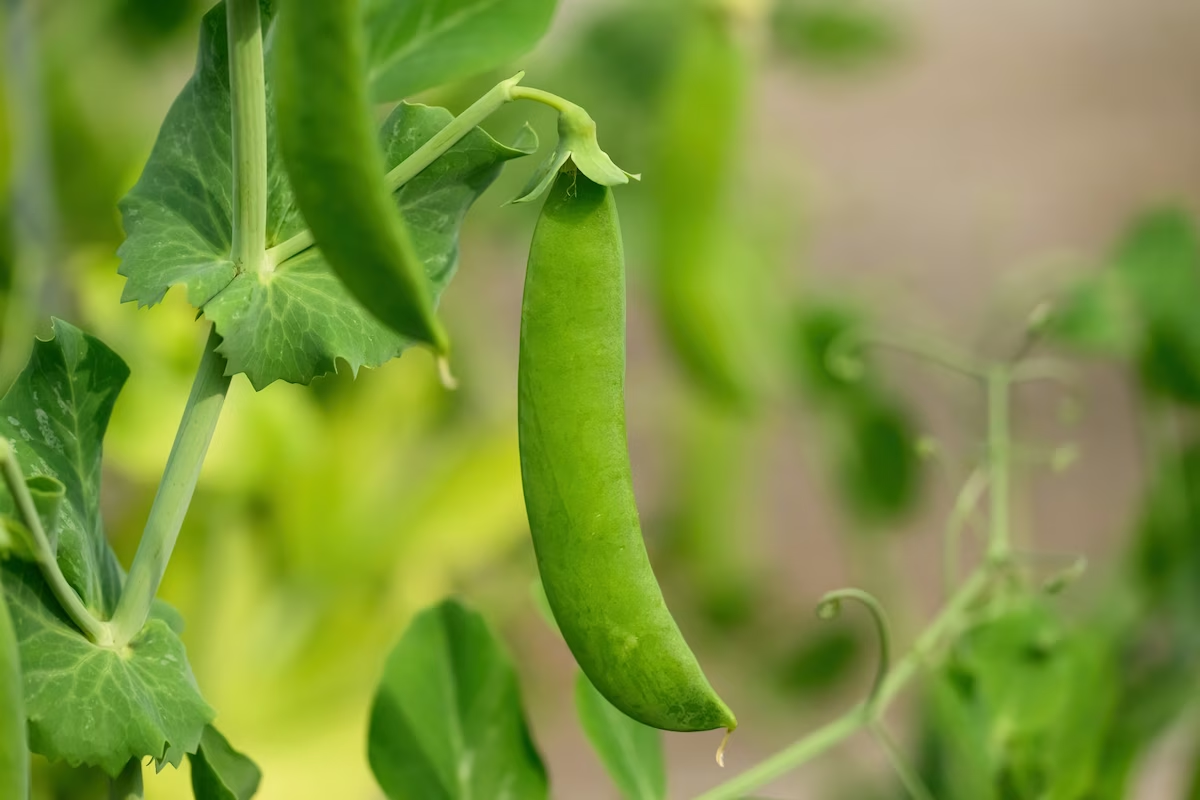
Peas
A cool-season legume grown for its sweet pods or shelling peas. In the UK, peas thrive in early spring and autumn, needing support and protection from pests like mice and pigeons.
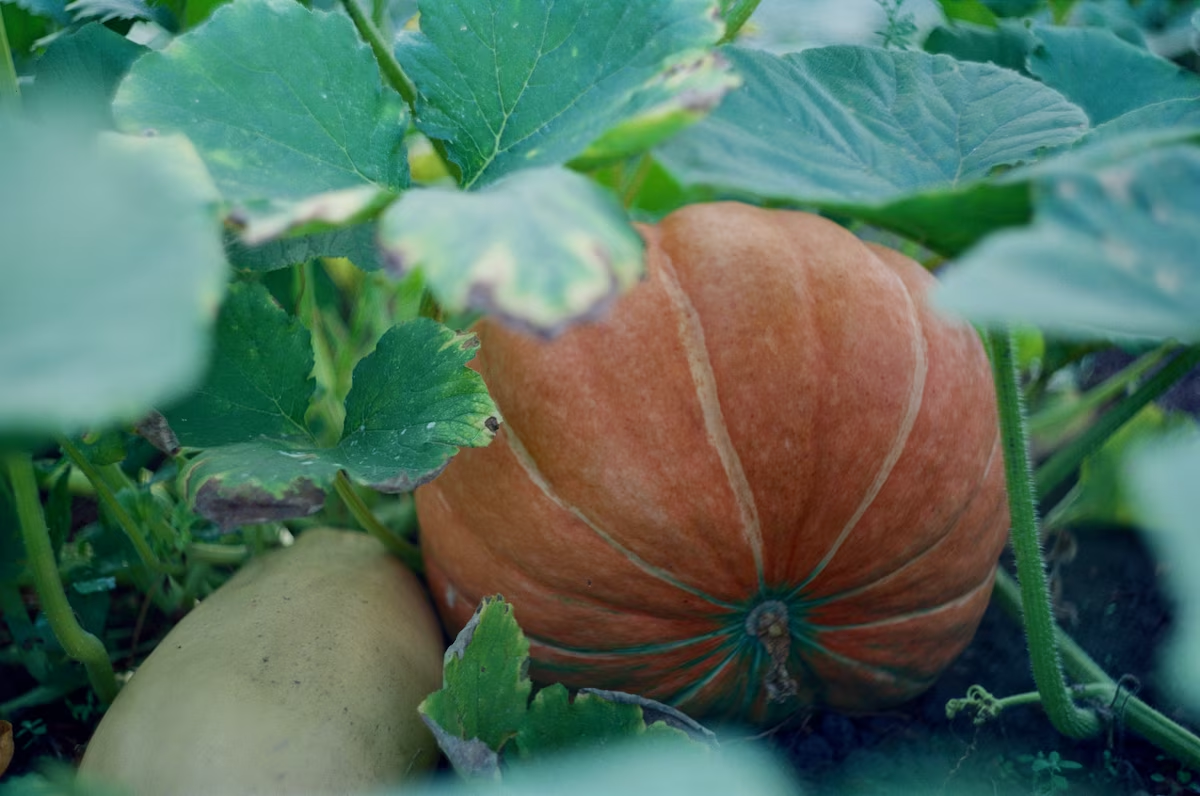
Pumpkin
Pumpkins are vigorous annual vines grown for their large, colourful autumn fruits. They thrive in warm, sunny conditions and produce long, sprawling stems that can easily run several metres. Pumpkins are frost-tender and need a good, rich soil and consistent watering through summer. With enough warmth and space, they reward you with hard-skinned fruits that store well and are ideal for both cooking and seasonal decoration.
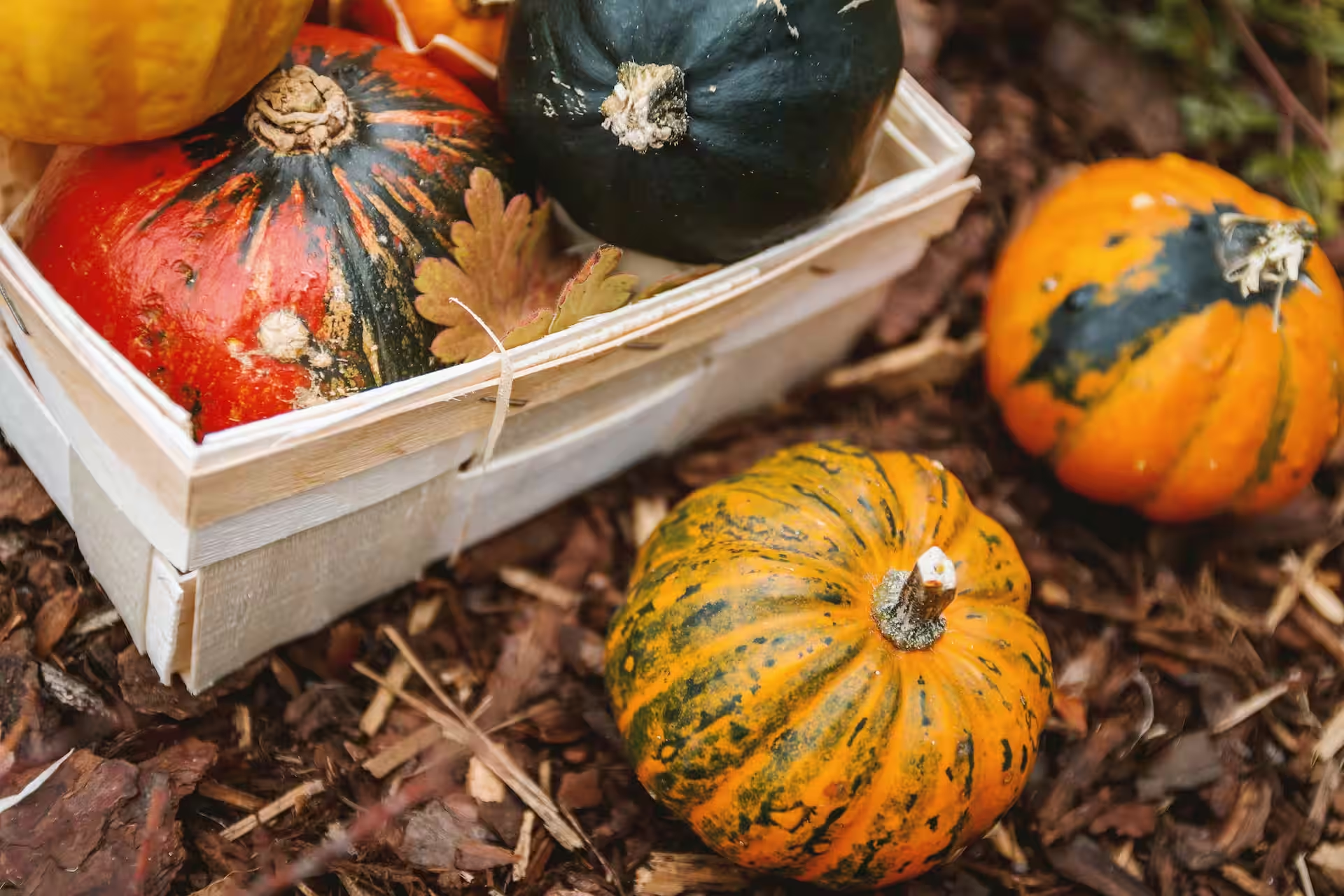
Squash
Squash come in summer and winter types, offering versatile fruits from tender courgette-like harvests to hard-skinned varieties that store through winter. They're vigorous plants that love sun and rich soil, producing colourful, flavourful crops perfect for roasting, soups, or stuffing. With trailing or compact options, there's a squash for every garden size.