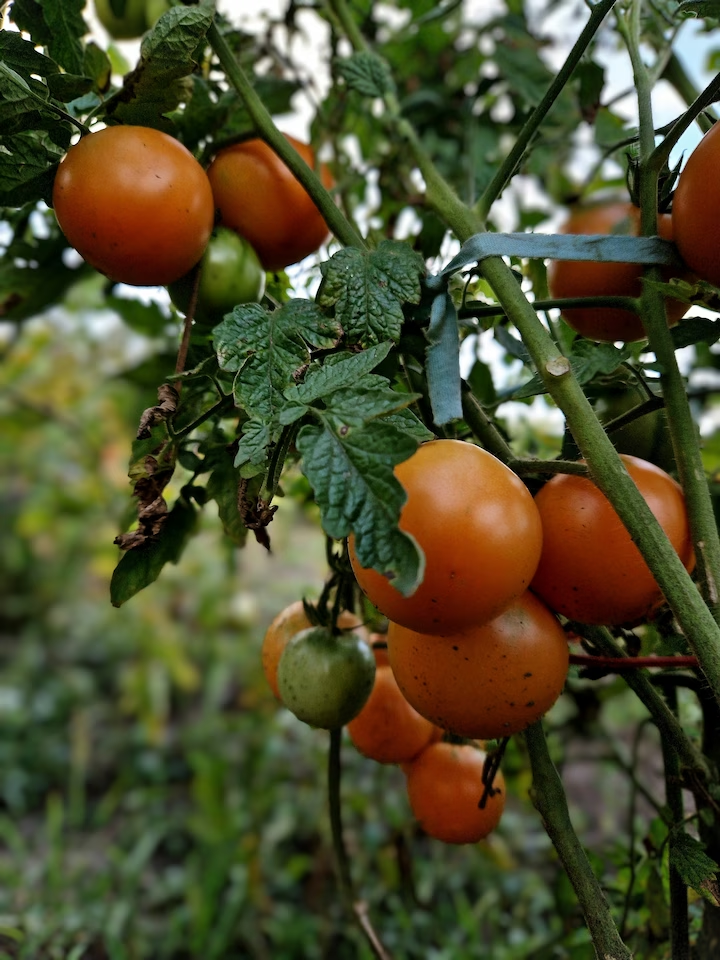
Tomatoes in Ansty
Solanum lycopersicum
Tomatoes are popular annual plants that produce juicy, colourful fruits and thrive in warm conditions. They are native to South America and come in two main types, determinate and indeterminate. Determinate plants are bushy and self-supporting and indeterminate are tall plants that require staking and pruning.
Growing Guide
Step-by-step instructions for growing Tomato
Planting Calendar
Growing Guide for
Change the guide to see different planting timelines and tips.
Grow tomatoes outdoors in a sunny, sheltered spot. This method is common in UK gardens but requires careful timing due to frost risks.
1 Sow Seeds Indoors
Sow seeds indoors in modules or small pots around 23rd February - 10th March. Use a heated propagator or warm windowsill at for germination. Keep the compost moist but not waterlogged.
2 Prick Out Seedlings
Once seedlings develop their first true leaves, prick them out into individual pots around 16th March - 23rd March. Handle seedlings by the leaves to avoid stem damage and plant at the same depth as before.
3 Pot On Plants
Move plants into larger pots around 30th March - 6th April to prevent root restriction. Use a good quality potting compost and water well after repotting to settle the roots.
4 Harden Off Plants
Gradually acclimatise plants to outdoor conditions over 10-14 days starting around 23rd April - 30th April. Place them outside in a sheltered spot during the day and bring in at night, increasing exposure each day.
5 Transplant Outdoors
Plant tomatoes in their final position around 30th April - 7th May after frost risk has passed. Space plants apart in fertile, well-drained soil. Water in well and consider using cloches or fleece for extra protection.
6 Support and Train Plants
Provide stakes or cages for support from 10th May. For cordon varieties, remove side shoots regularly to direct energy into the main stem. Pinch out the main growing tip after 4-6 trusses have set to force ripening in the UK climate.
7 Feed Plants
Apply a high-potassium liquid fertiliser every 14 days starting around 3rd October and continuing until 17th May. This supports flowering and fruit development. Water plants regularly to prevent blossom end rot.
8 Harvest Tomatoes
Pick fruits as they ripen from 3rd October until 17th July. Harvest regularly to encourage more production. If frost threatens, pick green tomatoes and ripen indoors on a windowsill.
Companion Plants
Plants that grow well (or poorly) with Tomato
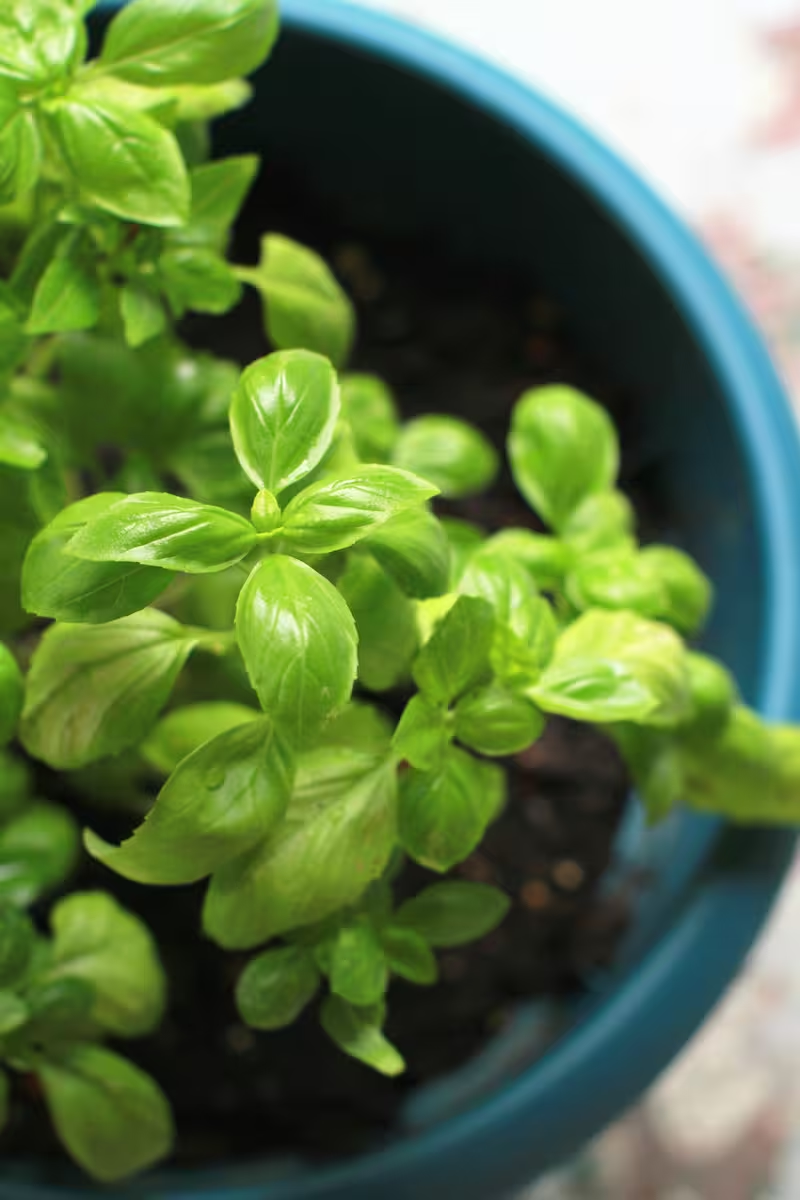
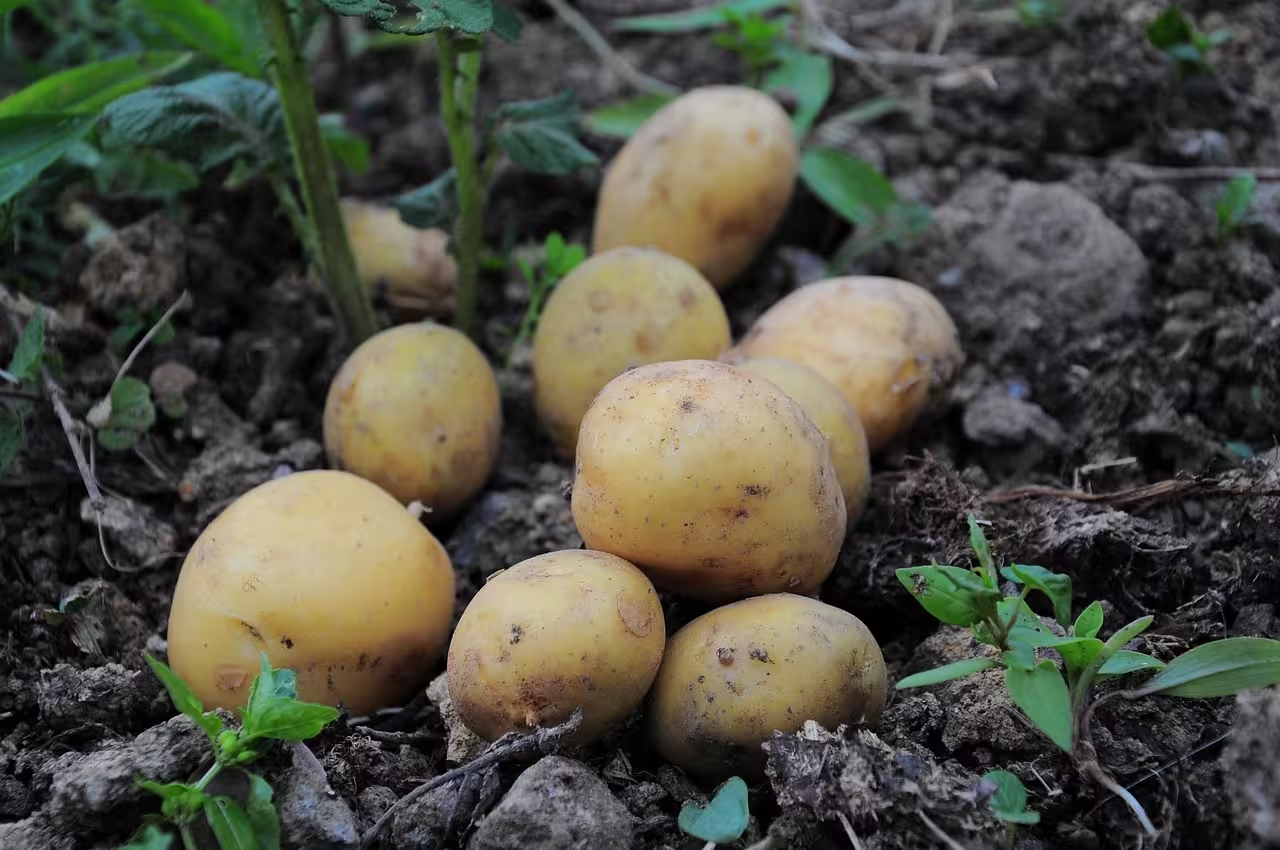
Why Companion Planting Matters
Companion planting can help deter pests, improve pollination, enhance growth, and maximize garden space. Some plants release chemicals that repel pests or attract beneficial insects, while others can improve soil quality or provide shade for sensitive plants.
Suggested Varieties
Popular varieties of Tomato to consider
Gardener's Delight
A popular cherry tomato with sweet, abundant fruits. Ideal for UK gardens due to its reliability and good flavour.
Moneymaker
A classic cordon variety producing medium-sized red fruits. Known for its high yield and disease resistance in UK conditions.
Tumbling Tom
A trailing bush tomato perfect for hanging baskets or containers. Produces small red or yellow fruits without needing support.
Related Plants
Explore similar plants you might like
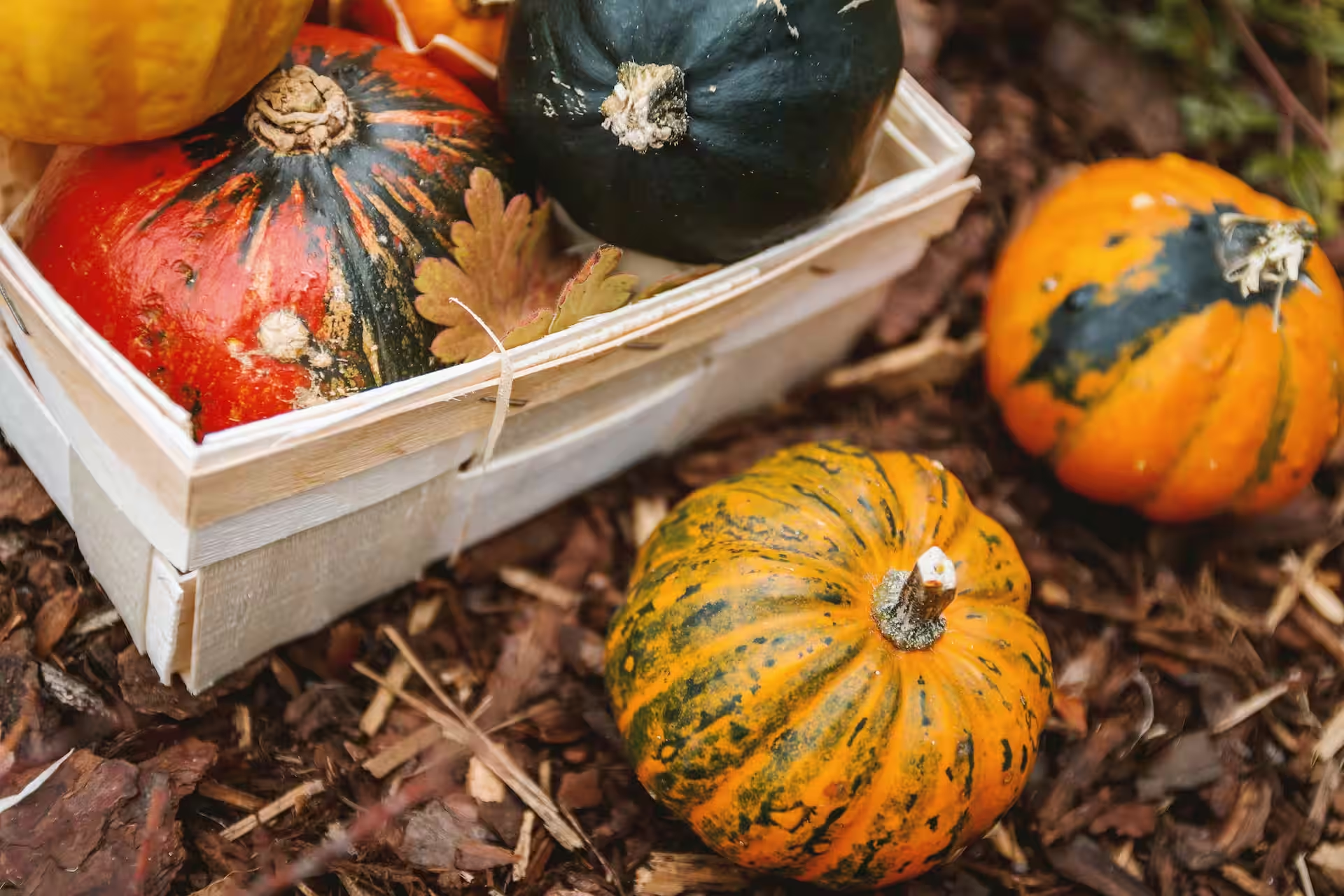
Squash
Squash come in summer and winter types, offering versatile fruits from tender courgette-like harvests to hard-skinned varieties that store through winter. They're vigorous plants that love sun and rich soil, producing colourful, flavourful crops perfect for roasting, soups, or stuffing. With trailing or compact options, there's a squash for every garden size.
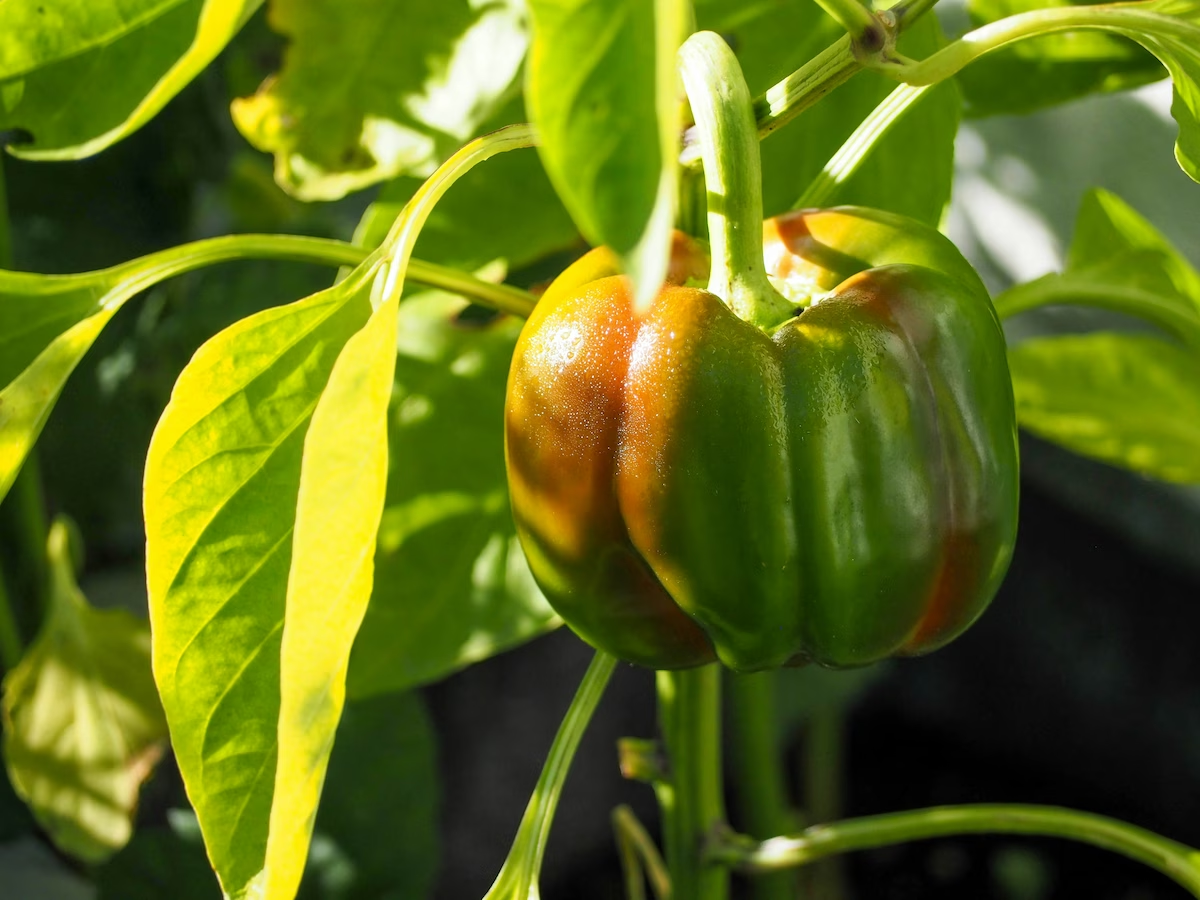
Sweet Pepper
Sweet peppers are tender annuals that produce crisp, colourful fruits with a mild flavour. Native to Central and South America, they thrive in warm, sunny positions and are commonly grown under glass in the UK to ensure reliable cropping, though they can succeed outdoors in sheltered spots during particularly warm summers.
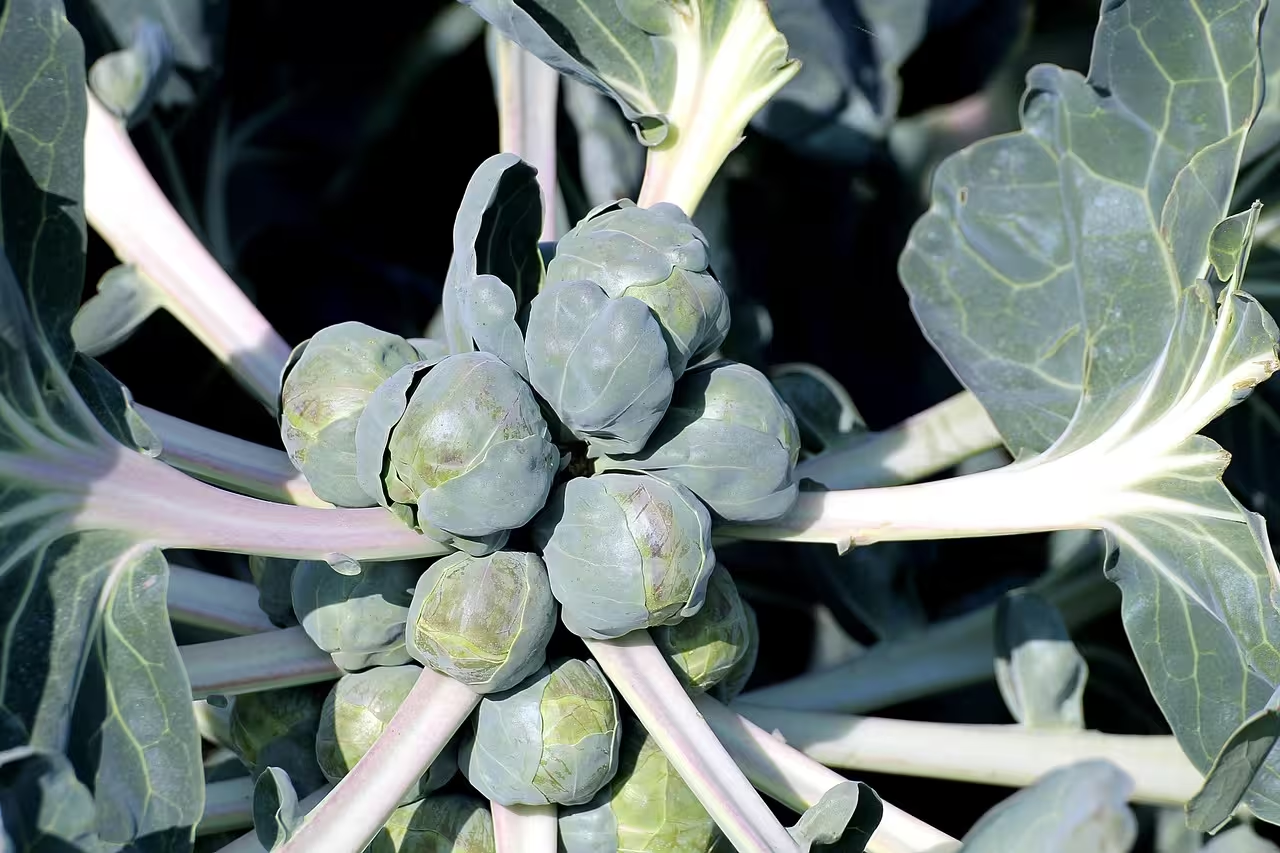
Brussels Sprouts
Brussels sprouts are a hardy winter brassica (cabbage family) that form sturdy, leafy stems often around 60–90cm tall. They produce edible mini-cabbage buds along the stem from autumn through winter. Thanks to their cold tolerance, sprouts remain productive into late winter, and frost actually improves their sweetness.