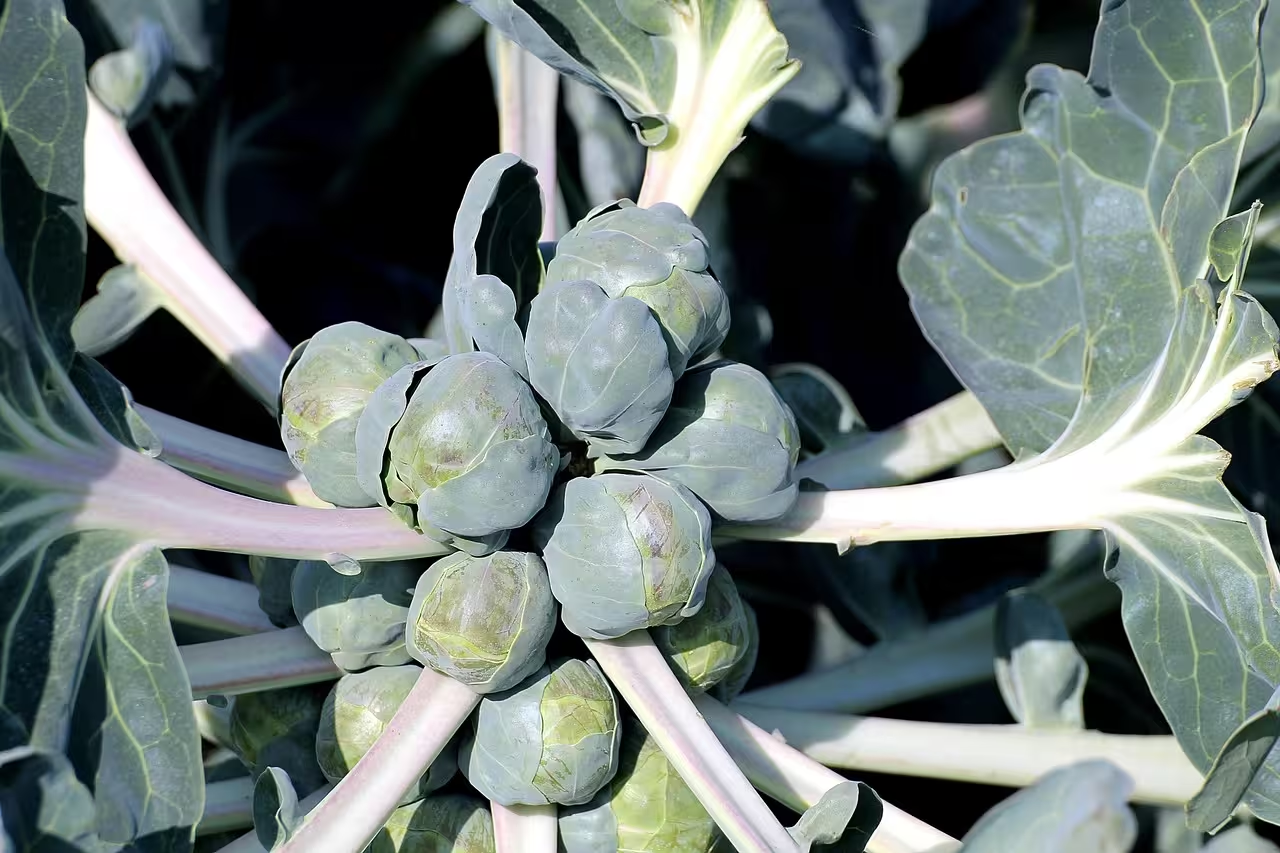
Brussels Sprouts in Aldersbrook
Brassica oleracea (Gemmifera Group)
Brussels sprouts are a hardy winter brassica (cabbage family) that form sturdy, leafy stems often around 60–90cm tall. They produce edible mini-cabbage buds along the stem from autumn through winter. Thanks to their cold tolerance, sprouts remain productive into late winter, and frost actually improves their sweetness.
Growing Guide
Step-by-step instructions for growing Brussels Sprouts
Planting Calendar
1 Sow seeds indoors
In late winter, sow 2 seeds per module or small pot of peat-free seed compost, about deep. Water them in and keep the tray in a warm spot (e.g. a heated propagator or sunny windowsill at ~) to germinate in 1-2 weeks.
2 Pot on seedlings
Once seedlings have 2-3 true leaves, pot each into its own pot of compost, burying them up to the lowest leaves to encourage strong roots. Keep them in bright light and water regularly as they continue to grow.
3 Harden off seedlings
After the risk of frost has passed around March in Aldersbrook, begin hardening off by placing the young plants outside for a few hours each day, increasing exposure gradually over a week.
4 Transplant outdoors
Plant the hardened seedlings into prepared ground in a sunny, sheltered spot. Space them about apart and at the same depth they were in their pots. Firm each plant in and water well to settle the soil.
5 Fertilise plants
When growth begins around April in Aldersbrook, feed the sprouts with a general-purpose fertiliser or some well-rotted manure to support their long growing season.
6 Support plants
As the plants grow tall, mound up soil around the base (hilling up) in late summer to brace the stems, and use stakes or canes if needed to keep them upright.
7 Harvest sprouts
Starting around December in Aldersbrook after first frosts, begin harvesting the firm, tightly closed sprouts from the bottom of the stem. Continue picking through winter, removing any yellowing lower leaves.
Related Plants
Explore similar plants you might like
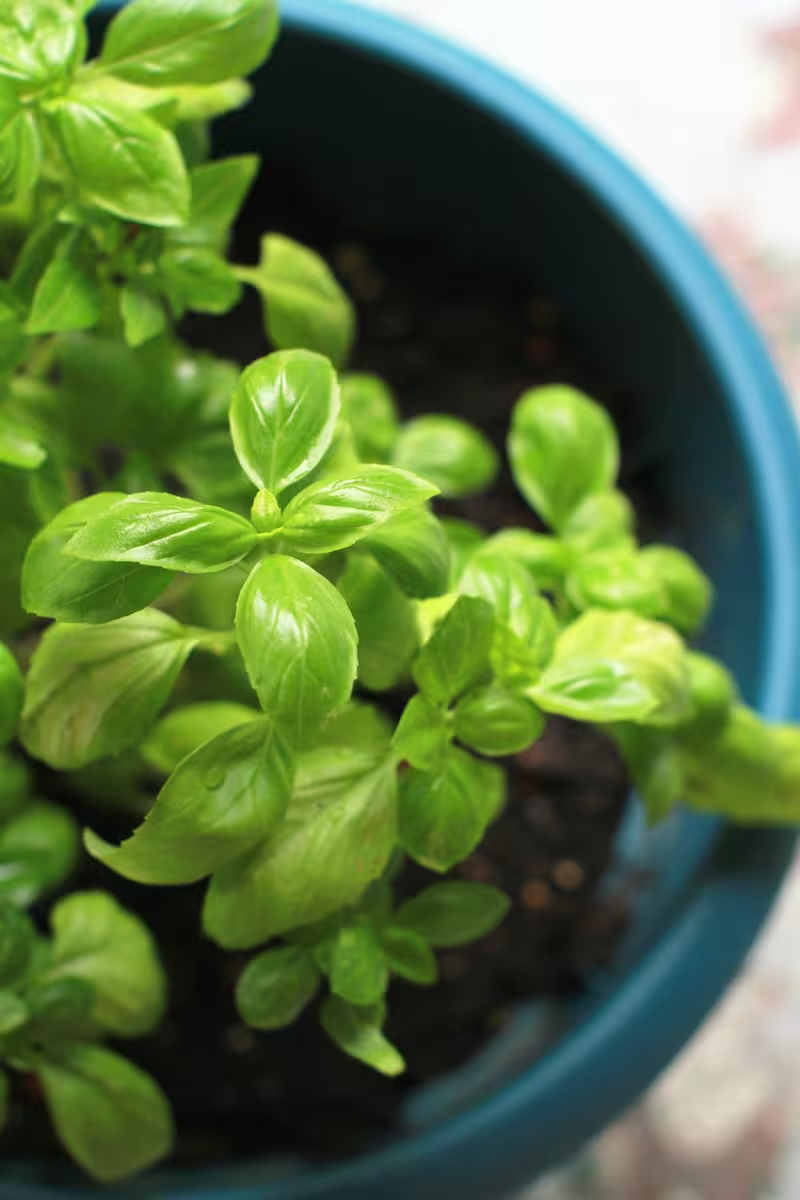
Basil
Basil is a fragrant, tender herb whose leaves are a staple of summer cooking. Native to tropical regions, basil is treated as an annual in temperate climates like the UK because it cannot tolerate frost. It thrives in warm, sunny conditions and can be grown in garden beds or pots for a steady supply of fresh, flavourful leaves throughout the summer.
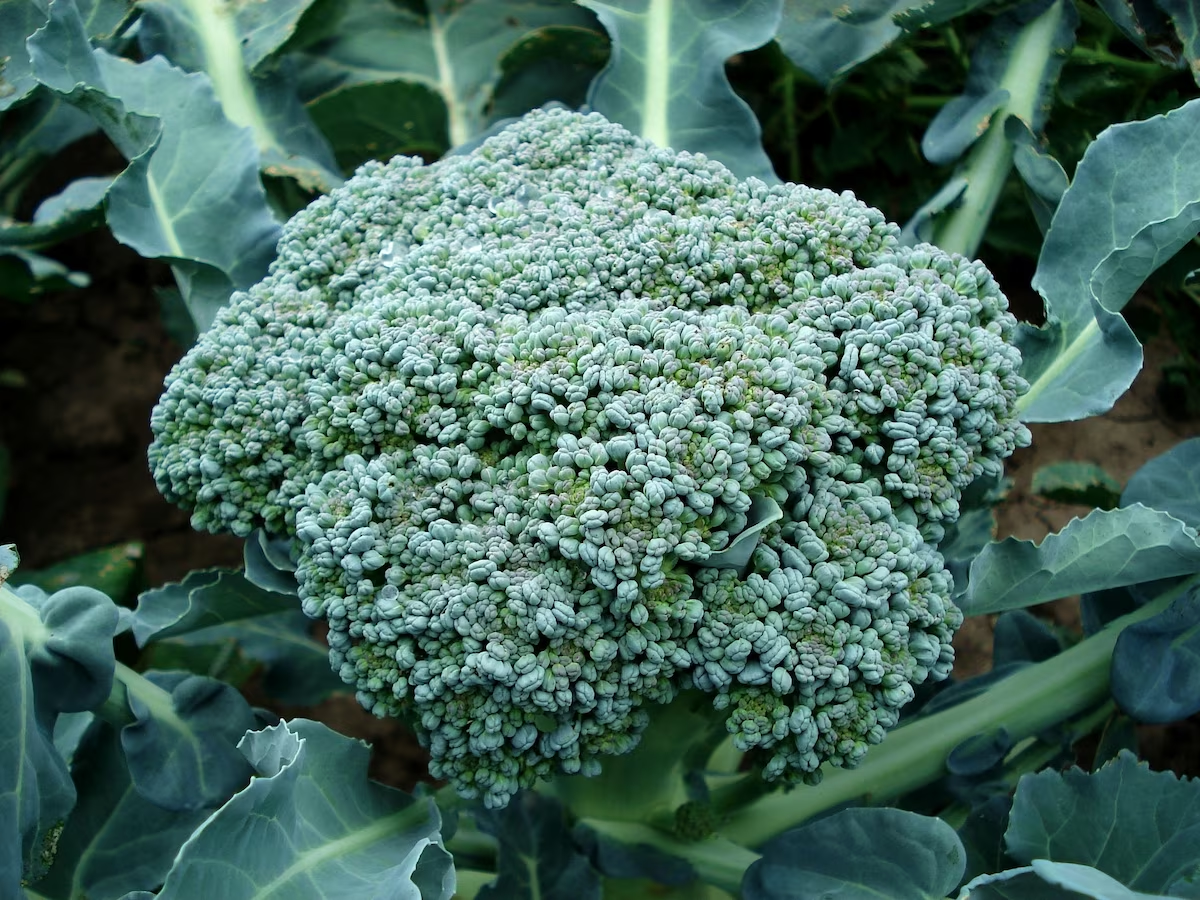
Calabrese
Calabrese (broccoli) produces a large central head of tightly-packed green buds, followed by smaller side-shoots after the main head is cut. It’s a cool-season brassica crop. Grow it in full sun with fertile, well-drained soil and keep plants watered during dry spells. Harvest the heads while firm, then leave the stem in the ground to allow side-shoots to develop.
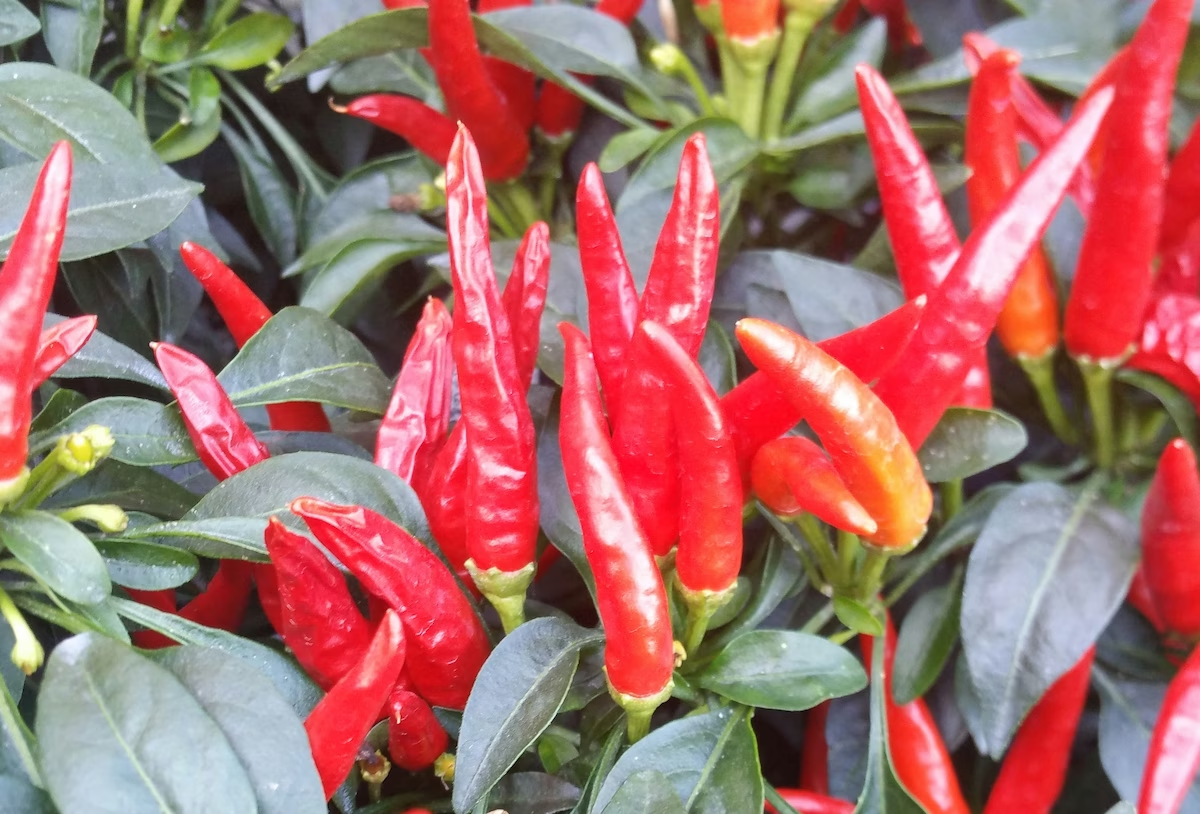
Chilli Pepper
Chilli peppers are half-hardy annuals that produce an abundance of spicy, colourful fruits in warm conditions. They originate from tropical regions of the Americas and need a long growing season and plenty of heat to ripen their pods in the UK. Plants stay relatively compact (often 30–60cm tall) and grow well in containers or sheltered beds. There are countless varieties ranging from mild to extremely hot (measured in Scoville Heat Units), but all need sunshine and warmth to thrive.