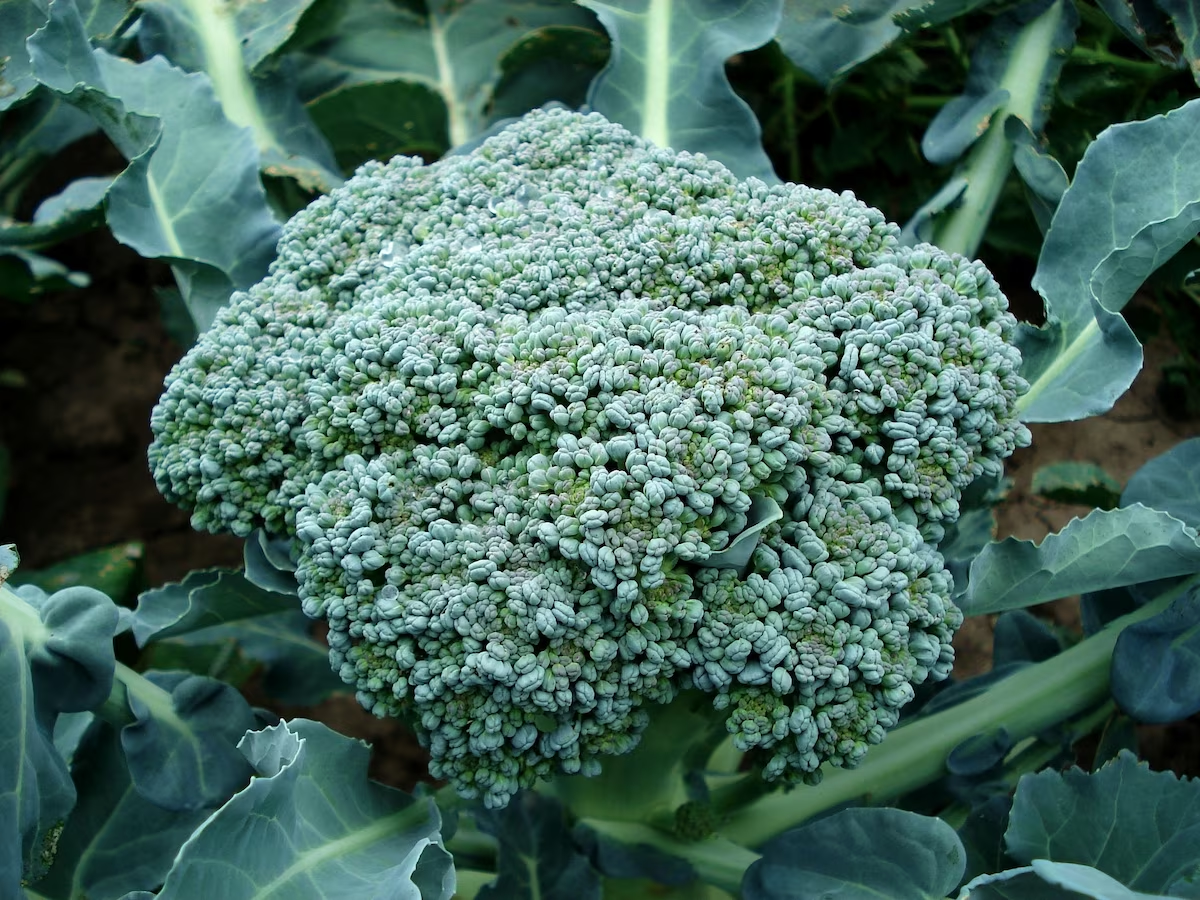
Calabreses in Aith
Brassica oleracea var. italica
Calabrese (broccoli) produces a large central head of tightly-packed green buds, followed by smaller side-shoots after the main head is cut. It’s a cool-season brassica crop. Grow it in full sun with fertile, well-drained soil and keep plants watered during dry spells. Harvest the heads while firm, then leave the stem in the ground to allow side-shoots to develop.
Growing Guide
Step-by-step instructions for growing Calabrese
Planting Calendar
Growing Guide for
Change the guide to see different planting timelines and tips.
Grow Calabrese for a main harvest in summer, with side shoots continuing into early autumn. This is the most common method for UK home gardeners.
1 Sow Seeds Indoors
Sow seeds indoors in modules or small pots from 18th February - 5th March. Use a good seed compost and cover lightly with . Keep at for germination, which takes 7-10 days. Water gently to keep the compost moist but not soggy.
2 Prick Out Seedlings
Once seedlings have two true leaves, prick them out into individual pots from 11th March - 18th March. Handle by the leaves to avoid stem damage and plant at the same depth. Use a potting compost and water well after transplanting to settle the roots.
3 Harden Off Plants
Gradually acclimatise plants to outdoor conditions over 7-10 days from 1st April - 8th April. Start by placing them outside in a sheltered spot during the day, bringing them in at night. Increase exposure each day to prevent shock when transplanting.
4 Transplant Outdoors
Transplant hardened-off plants to their final growing position from 18th April - 2nd May. Space them apart in rows apart. Firm the soil well around the roots with your heel to prevent wind-rock, a technique known as the 'Brassica Stomp'. Water in thoroughly.
5 Install Pest Protection
Protect plants from pests immediately after transplanting from 25th April - 2nd May. Cover with fine mesh netting to keep out cabbage white butterflies and pigeons. Fit brassica collars around the base of each stem to deter cabbage root fly larvae.
6 Feed Plants
Apply a nitrogen-rich fertiliser every 28 days from 20th October to support leafy growth. Use a balanced liquid feed or granular fertiliser, watering it in well. Stop feeding once the main head starts to form to avoid over-fertilisation.
7 Harvest Calabrese
Harvest the central head when it's firm and tight, cutting it with a sharp knife about down the stem from 20th October. Leave the plant in the ground to produce side shoots, which you can pick regularly until 24th June. Water consistently to prevent bolting in dry weather.
Companion Plants
Plants that grow well (or poorly) with Calabrese
Why Companion Planting Matters
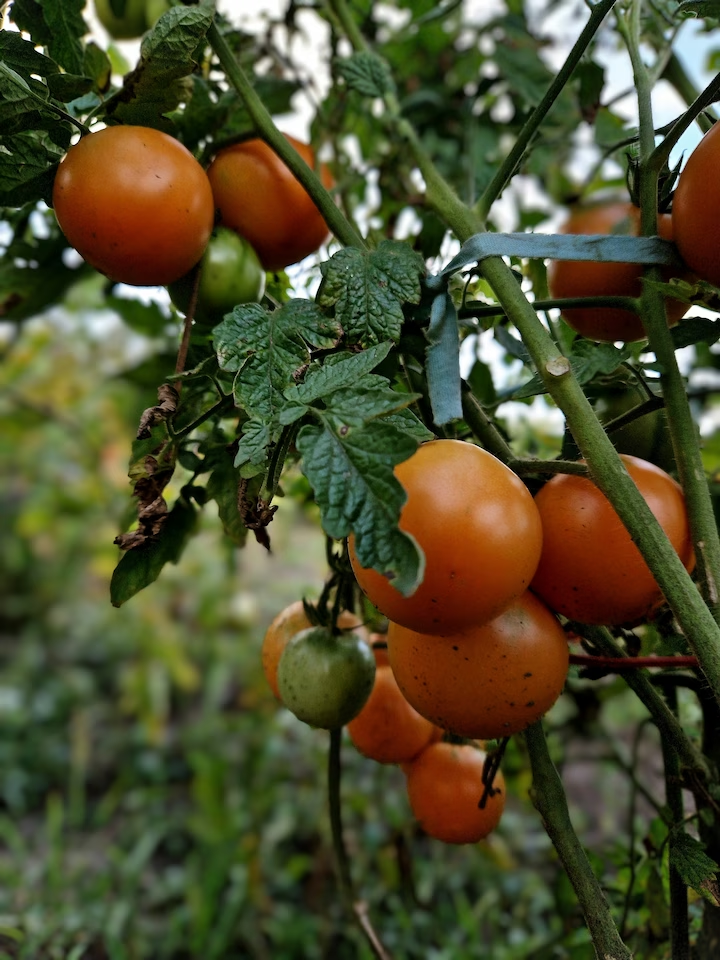
Companion planting can help deter pests, improve pollination, enhance growth, and maximize garden space. Some plants release chemicals that repel pests or attract beneficial insects, while others can improve soil quality or provide shade for sensitive plants.
Suggested Varieties
Popular varieties of Calabrese to consider
Belstar
A reliable F1 hybrid with good heat tolerance, producing medium-sized blue-green heads and abundant side shoots. It's resistant to bolting and suitable for UK summers.
Green Magic
An early-maturing variety with uniform, dense heads and a sweet flavour. It performs well in cooler conditions and is ideal for succession sowing.
Ironman
A vigorous F1 hybrid known for its large central head and prolific side shoot production. It has good disease resistance and is well-suited to organic growing.
Related Plants
Explore similar plants you might like
Basil
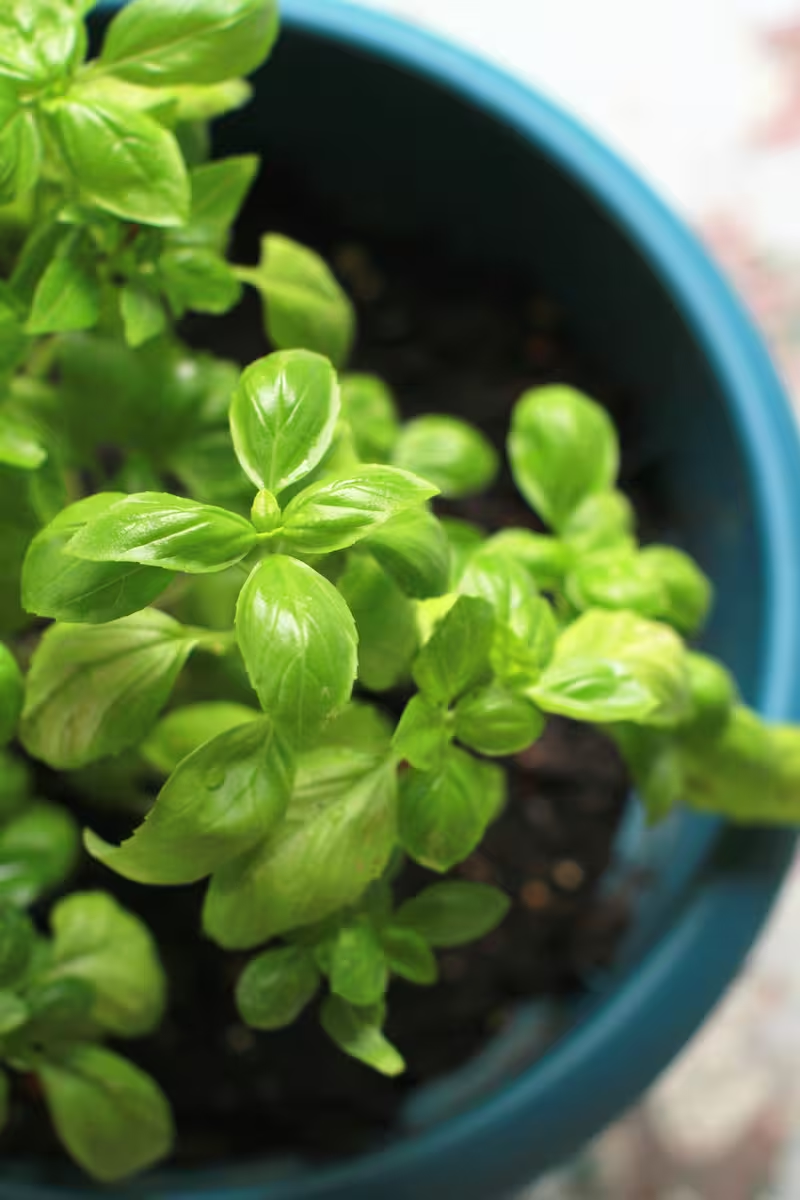
Basil is a fragrant, tender herb whose leaves are a staple of summer cooking. Native to tropical regions, basil is treated as an annual in temperate climates like the UK because it cannot tolerate frost. It thrives in warm, sunny conditions and can be grown in garden beds or pots for a steady supply of fresh, flavourful leaves throughout the summer.
Brussels Sprouts
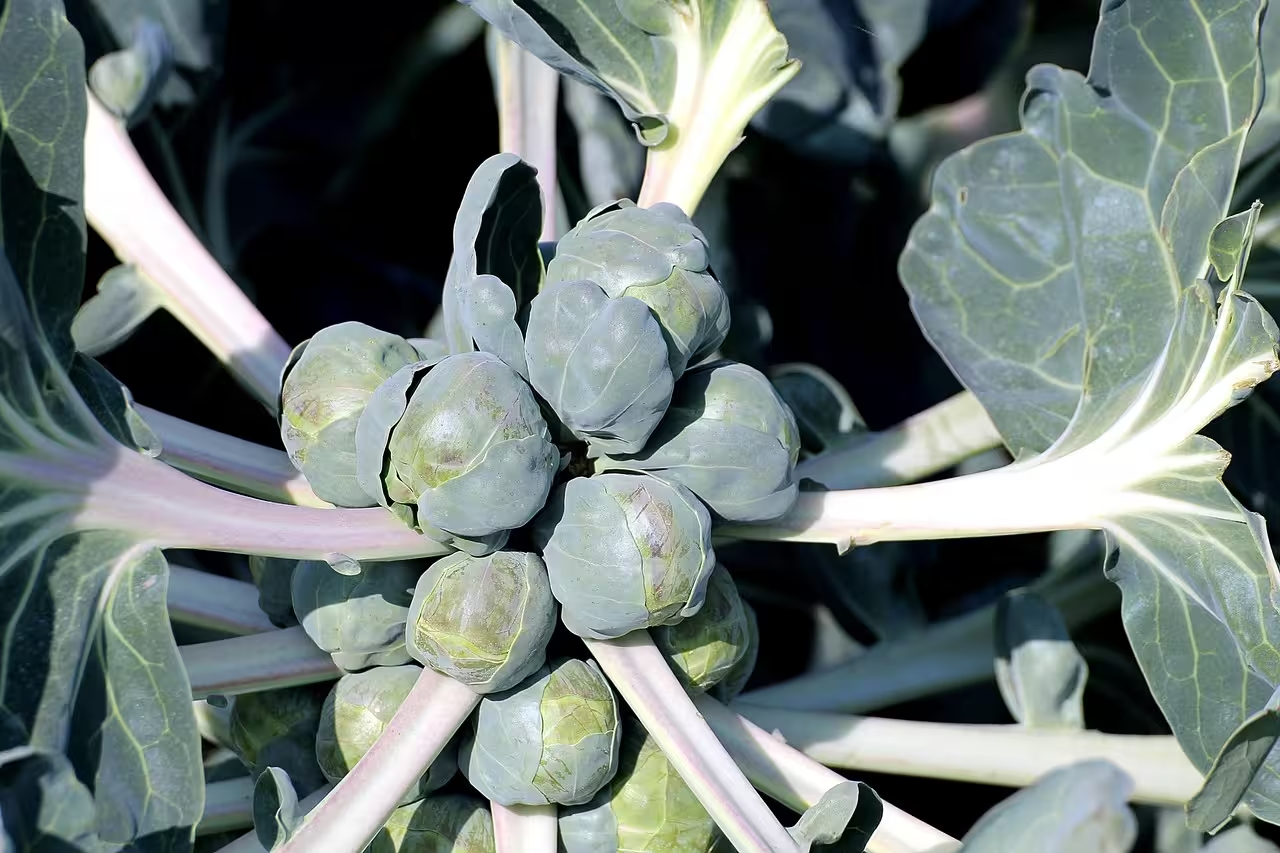
Brussels sprouts are a hardy winter brassica (cabbage family) that form sturdy, leafy stems often around 60–90cm tall. They produce edible mini-cabbage buds along the stem from autumn through winter. Thanks to their cold tolerance, sprouts remain productive into late winter, and frost actually improves their sweetness.
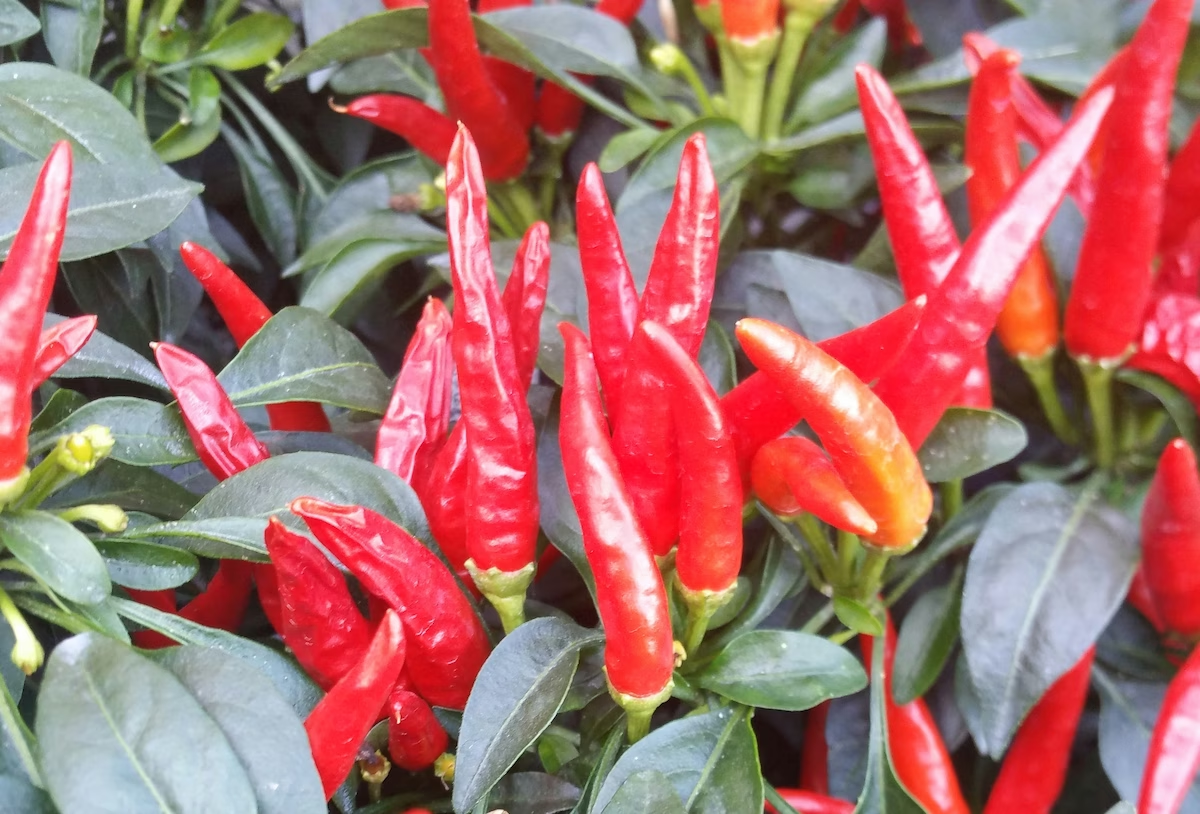
Chilli Pepper
Chilli peppers are tender perennials grown as annuals in the UK, requiring a long, warm season. They thrive in a greenhouse or a sunny, sheltered outdoor spot, producing fruits that range from mild to intensely hot depending on variety and growing conditions.