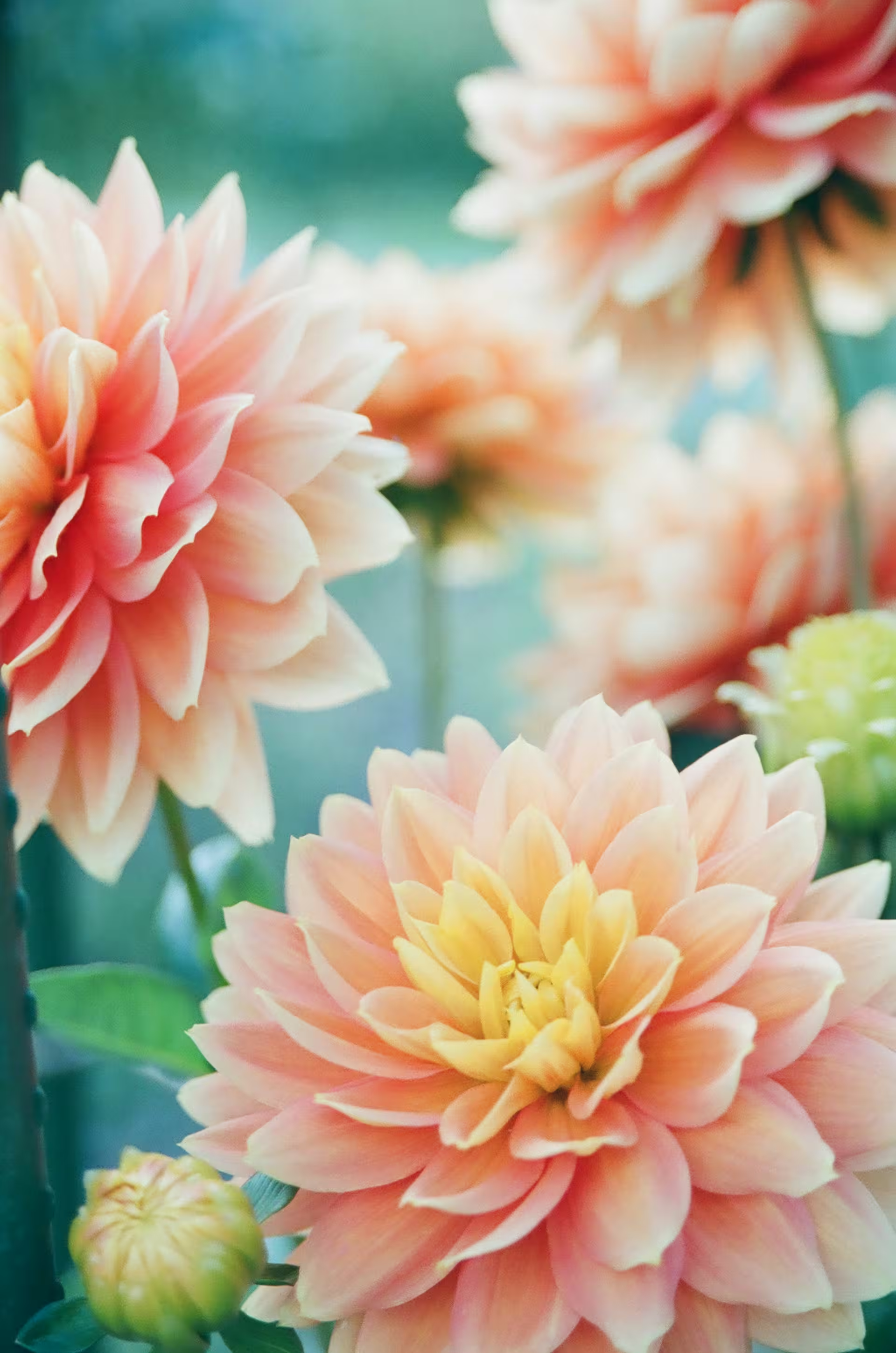
Dahlias in Abington
Dahlia pinnata
Show-stopping tuberous perennials that provide a spectacular display of colour from mid-summer right up until the first frosts. Ranging from enormous 'dinner plate' blooms to intricate pompoms and open-centred varieties that bees adore, they are a staple of the late summer UK garden.
Growing Guide
Step-by-step instructions for growing Dahlia
Planting Calendar
Growing Guide for
Change the guide to see different planting timelines and tips.
The most common UK method, starting tubers indoors in spring and planting out after frosts for summer blooms.
1 Start Tubers Indoors
Place tubers in trays with moist compost, eye-side up, and cover lightly. Keep at in a bright spot indoors from 27th February - 13th March. Water sparingly until shoots appear.
2 Pot On Shoots
Once shoots are tall, pot each tuber into individual containers with multi-purpose compost from 27th March - 3rd April. Grow on in a bright, frost-free place.
3 Harden Off Plants
Gradually acclimatise plants to outdoor conditions over 10-14 days from 17th April - 24th April. Place outside during the day and bring in at night, avoiding frost.
4 Plant Outdoors
Transplant into well-drained, fertile soil in full sun after frosts from 24th April - 8th May. Space plants apart and water in well. Use fleece if cold nights are forecast.
5 Support and Pinch
Insert stakes at planting to support tall stems. Pinch out the growing tip when plants reach to encourage bushiness from 8th May - 15th May.
6 Feed and Water
Water regularly to keep soil moist, especially in dry spells. Feed every 14 days with a high-potash fertiliser from 18th October to boost flowering. Stop feeding by 15th May.
7 Deadhead Regularly
Remove spent flowers weekly from 25th October to encourage continuous blooms. Cut back to a leaf joint to promote new buds.
8 Lift and Store Tubers
After the first frost blackens foliage, cut stems back and carefully lift tubers from 8th November - 22nd November. Dry, label, and store in frost-free conditions in dry compost or sand over winter.
Companion Plants
Plants that grow well (or poorly) with Dahlia
Plants to Avoid
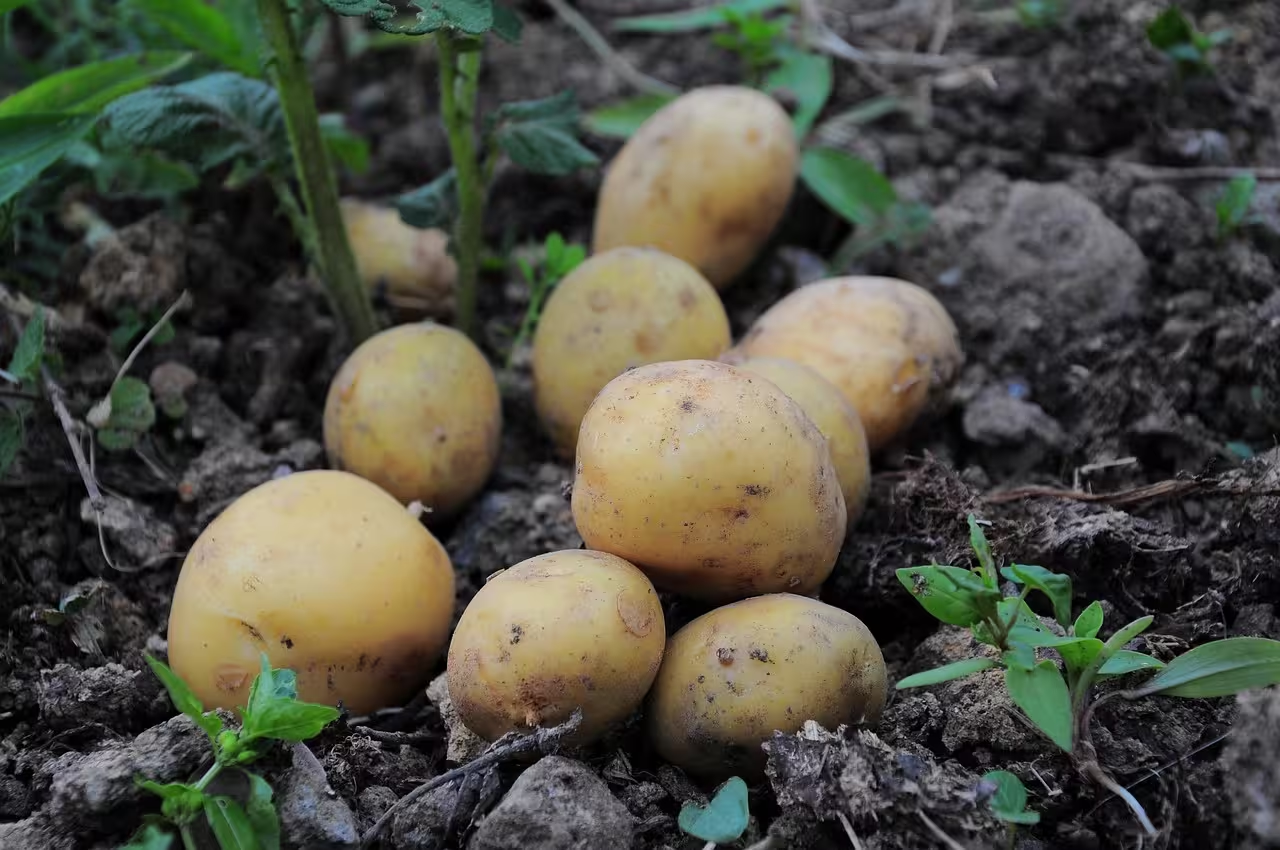
Why Companion Planting Matters
Companion planting can help deter pests, improve pollination, enhance growth, and maximize garden space. Some plants release chemicals that repel pests or attract beneficial insects, while others can improve soil quality or provide shade for sensitive plants.
Suggested Varieties
Popular varieties of Dahlia to consider
Bishop of Llandaff
A classic variety with dark foliage and bright red flowers, ideal for borders and excellent for pollinators.
Café au Lait
Popular for weddings, with large, creamy-pink blooms that can reach up to 25cm across.
Happy Days
A compact bedding type, perfect for containers, with prolific flowering in mixed colours.
Related Plants
Explore similar plants you might like
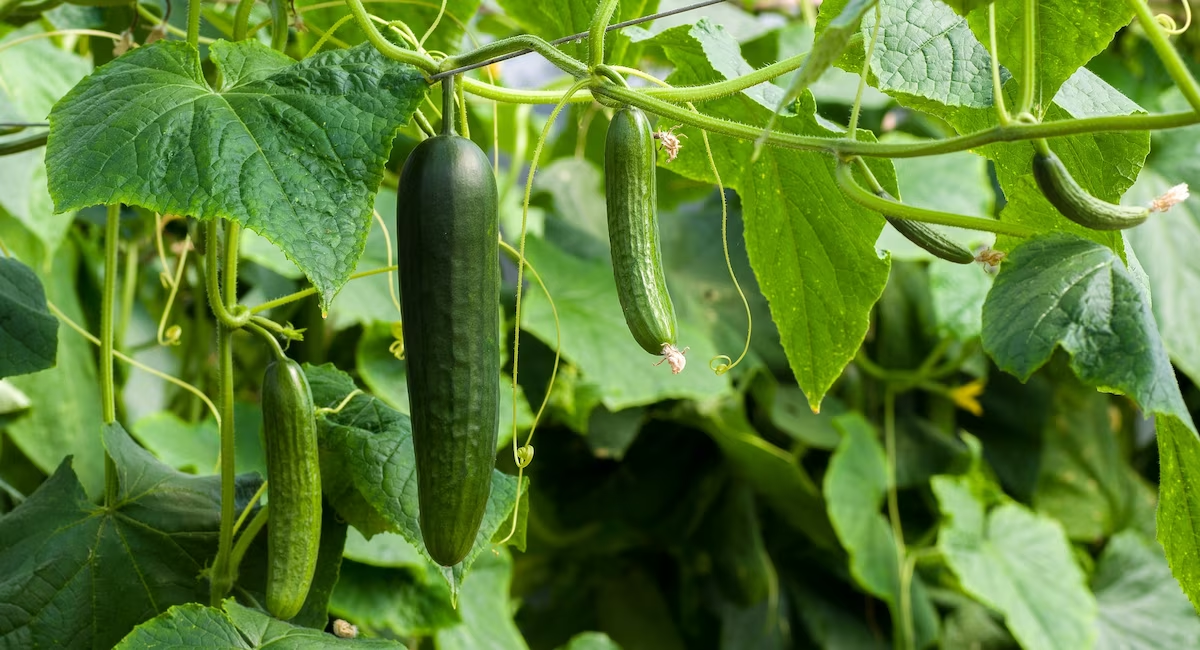
Cucumber
A tender climbing vine grown for its crisp fruits, requiring warm conditions and consistent moisture. In the UK, greenhouse varieties yield earlier and longer, while outdoor ridge types are hardier but need a warm summer.
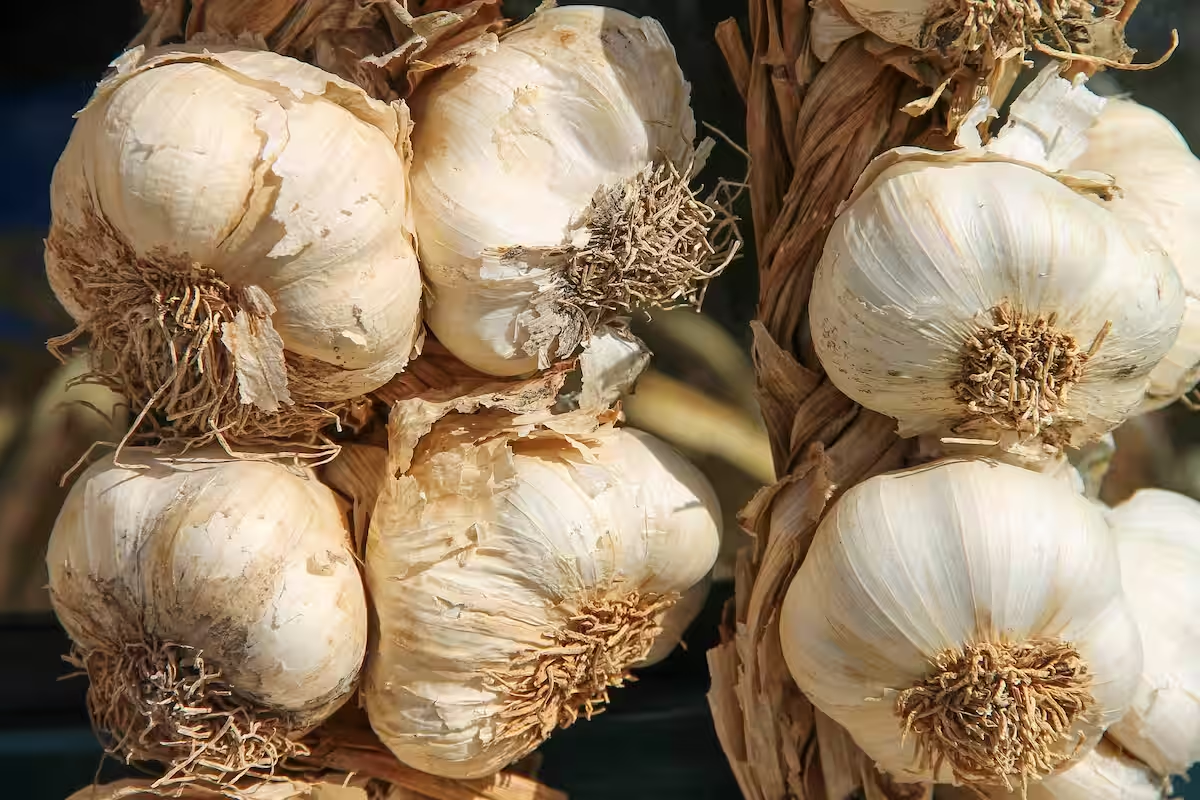
Garlic
Garlic is a hardy, sun-loving bulbous vegetable from the onion family, grown for its pungent cloves used in cooking. It’s easy to grow in a warm, well-drained spot and needs minimal fuss – plant individual cloves and they will develop into full bulbs by the following summer. Most garlic varieties require a cold spell over winter to form good bulbs, so in the UK they are generally planted in autumn. There are two main types of garlic: hardneck and softneck. Hardneck types produce flower stalks (scapes) which should be removed, and their bulbs have fewer but larger cloves (they store for around 4–6 months). Softneck types have more, smaller cloves and rarely bolt; they also store for longer, often up to a year.
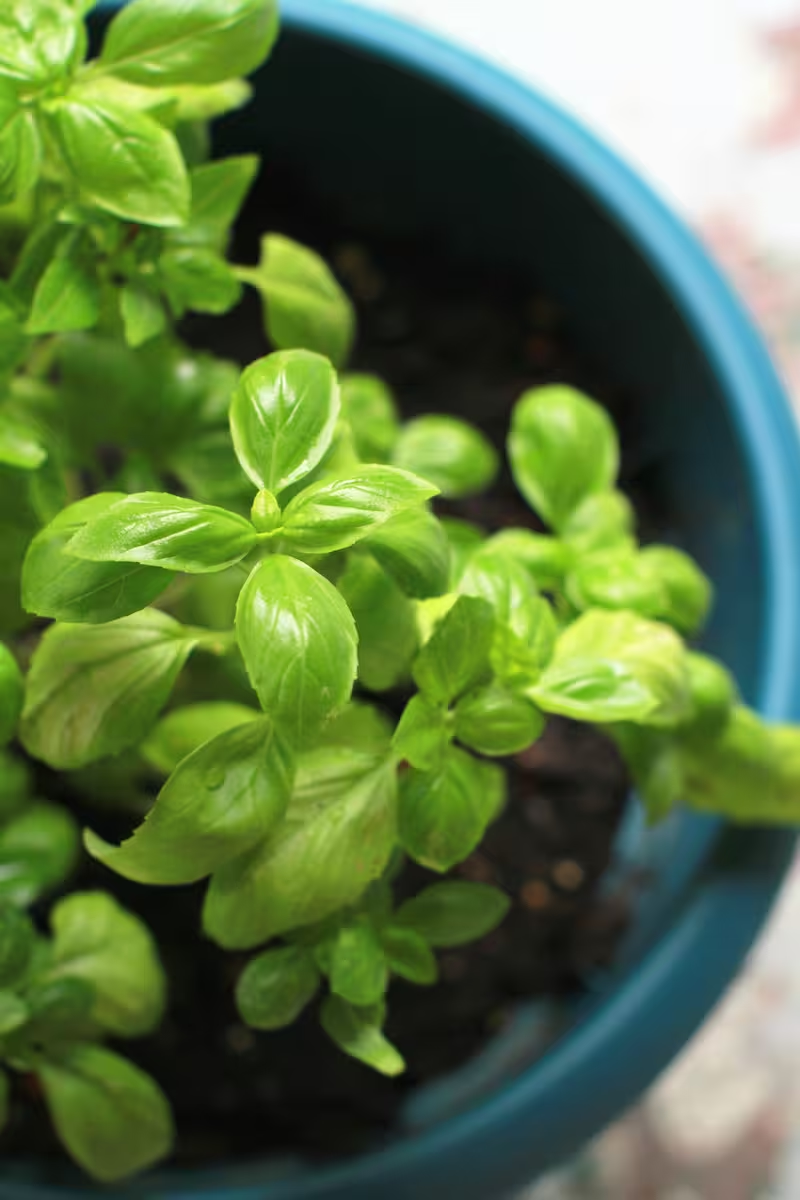
Basil
Basil is a fragrant, tender herb whose leaves are a staple of summer cooking. Native to tropical regions, basil is treated as an annual in temperate climates like the UK because it cannot tolerate frost. It thrives in warm, sunny conditions and can be grown in garden beds or pots for a steady supply of fresh, flavourful leaves throughout the summer.